What Shakeri Actually Claims
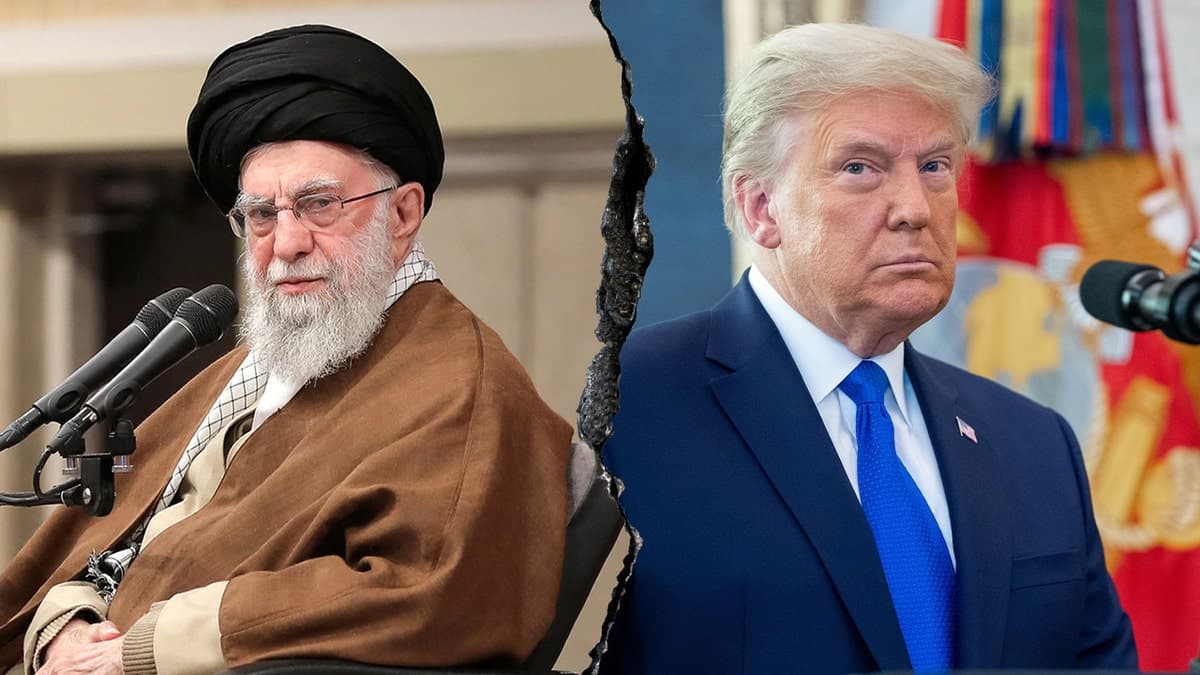
Farhad Shakeri, a 51-year-old Afghan-born man arrested in October 2024 and charged with plotting to assassinate then-candidate Donald Trump, told prosecutors that Iran's Revolutionary Guard Corps coerced him into the operation under threat to his family. Shakeri, who prosecutors say was a drug trafficker with longstanding ties to the IRGC's Quds Force, claims he was given a 30-day window to carry out the killing, offered $100,000 for the job, and fled the country when he refused and the deadline passed.
The Department of Justice charged Shakeri alongside two other men, Carlisle Rivera and Jonathan Loadholt, alleging a murder-for-hire scheme targeting Trump and at least one other individual. All three have pleaded not guilty. Shakeri's defense attorney says the Iranian coercion claim is genuine.
Here's what isn't in dispute regardless of how the case resolves: a foreign government apparently recruited and activated an asset on American soil to kill a presidential candidate. And the American national security apparatus, operating on a budget of approximately $98.7 billion in fiscal year 2023, did not interdict it before it was operational. They arrested the alleged plotters after a confidential source tipped them off. The bureaucracy didn't find it. Someone handed it to them.
$98 Billion a Year, and We Found Out From a Tipster
The United States intelligence community's annual budget has exceeded $80 billion every year since 2017. The FBI's budget alone reached $11.3 billion in fiscal year 2023. These are enormous sums directed at an apparatus whose core mission includes detecting and disrupting exactly this kind of foreign-directed assassination operation on American soil before it becomes operational.
According to court documents in the Shakeri case, the investigation coalesced around a confidential human source working with the FBI. Not a signals intelligence collection program. Not a HUMINT penetration of the IRGC's operational cell. A tipster. The apparatus didn't find it through active collection, it responded when a source brought the information to the door.
I spent time on Capitol Hill in 2023 during House Intelligence Committee oversight sessions on Iranian threats to American officials. The committee had already documented at least seven confirmed Iranian plots against U.S.-based targets between 2020 and 2023, including plans targeting former National Security Advisor John Bolton and former Secretary of State Mike Pompeo. The FBI put Bolton under security protection. They didn't disrupt the plots at the source. They managed the consequences after the plots were already in motion.
A reactive posture against state-sponsored assassination programs isn't deterrence. It's damage control with better press releases.
The IRGC Problem Washington Keeps Choosing Not to Solve
The Iranian Revolutionary Guard Corps was designated a foreign terrorist organization in April 2019, the first time the United States formally applied that designation to a component of another government's military. The designation triggers sanctions, asset freezes, and expanded prosecution authority. It did not trigger any serious disruption of IRGC operational infrastructure on American soil.
Testimony before the House Homeland Security Committee in 2024 estimated between 15,000 and 40,000 Iranian-linked intelligence assets, proxies, and sympathizers operating across the United States. The FBI has active Iranian-threat investigations running in all 56 of its field offices. All 56. That's not a contained problem. That's a nationwide penetration problem that the federal government has been managing at roughly the same level of effectiveness for twenty-five years.
"Iran is engaged in a global assassination campaign," said House Foreign Affairs Committee Chairman Michael McCaul in October 2024, following the Shakeri arrest. Accurate statement. Also something McCaul's committee has been formally documenting for three years without producing legislation that meaningfully degrades the IRGC's operational capacity inside U.S. borders.
The Biden administration spent 2021 through 2024 negotiating a return to the JCPOA nuclear agreement with Tehran. During those same negotiations, the State Department was publicly certifying Iranian assassination plots against American officials. The two tracks ran simultaneously, negotiate with Tehran on Monday, document Tehran's murder contracts on Tuesday. The incoherence wasn't an oversight. It was a deliberate policy choice made by a bureaucracy that prioritized the diplomatic track over strategic coherence.
What the Libertarian Lens Actually Sees Here
There's a reasonable instinct in skeptical quarters to interrogate national security threat claims before accepting them. The Iraq WMD assessment. The post-9/11 surveillance expansion that consumed civil liberties for two decades. The FISA abuses exposed in 2023 and 2024. These aren't ancient history. They're recent enough to justify a default suspicion of intelligence community claims about foreign threats that conveniently require larger budgets and expanded authority.
But Farhad Shakeri isn't a classified program or a threat matrix estimate. He's a man who was allegedly handed $100,000 and a murder assignment by a foreign government. The charges are public. The indictment is on the docket. The IRGC's assassination campaign against American officials has been formally documented by both the Trump and Biden administrations across four years of different political incentives. This isn't a hyped threat constructed to justify budgets. It's a documented operational program that the intelligence community keeps managing reactively rather than dismantling.
The honest question here isn't whether the threat is real. It's why, after spending nearly $100 billion annually on intelligence and law enforcement, the United States is still learning about Iranian assassination plots from tipsters rather than from collection. Why the IRGC's operational footprint inside U.S. borders remains intact after a terrorist designation that was supposed to disrupt it. Why seven confirmed plots against American officials produced security details rather than consequences for the state that ordered the hits.
The answer, probably, is that disrupting the IRGC at the source requires confronting Iran in ways that complicate diplomatic objectives. It's easier for the bureaucracy to arrest the contractor than to impose costs on the state that hired him. Easier for the agency. Not easier for the next target. Not easier for the presidential candidate who never knows his name is on a $100,000 contract until someone decides to talk.