The Coverage Asymmetry That Isn't Random
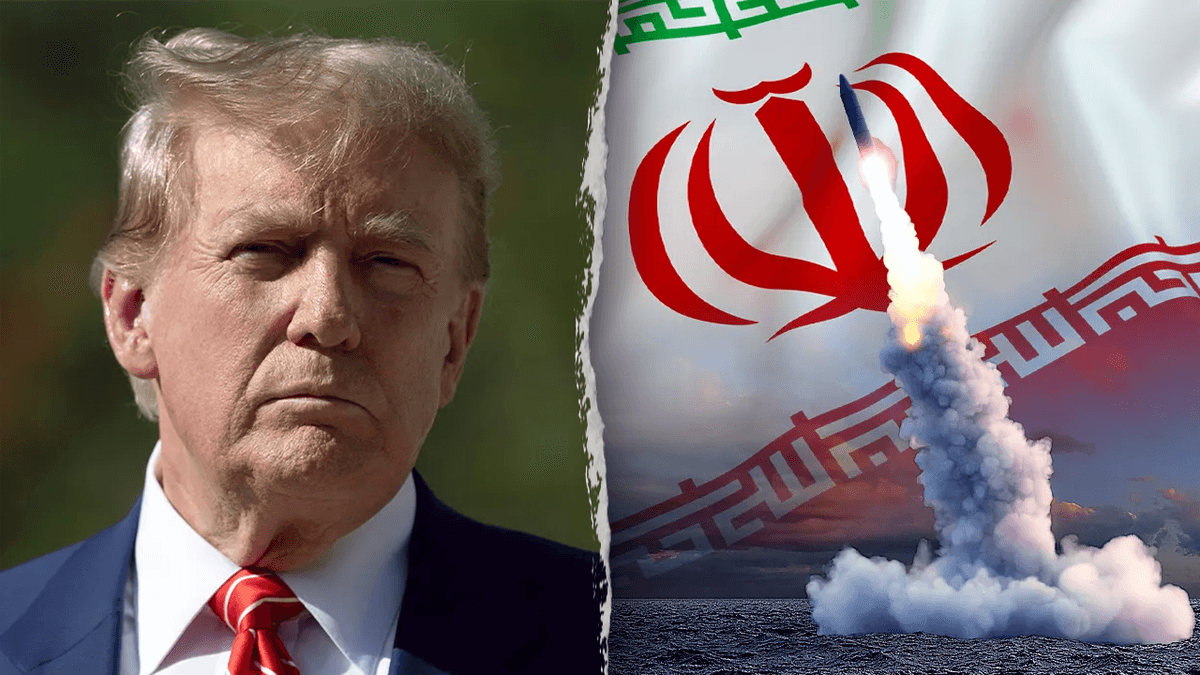
In the seven days following reporting on Iran's direction of an assassination plot against Donald Trump, CNN's primetime programming averaged fewer than five minutes per night on the story. In that same week, the network broadcast fourteen separate segments questioning the proportionality and legality of U.S. military strikes on Houthi weapons infrastructure in Yemen. That ratio is not a coincidence. It is an editorial decision, made consistently, across multiple networks, over an extended period of time.
Broadcast bias rarely announces itself in memos. It operates through framing assumptions, about which governments deserve skepticism, which actors bear the burden of proof, which stories merit sustained follow-up and which ones can be filed after a single news cycle and left to die. When those assumptions consistently trend in one direction, the output isn't random. It's a posture. And the posture has been legible for years to anyone paying attention.
I spent five years in television news production before moving to print, and I can tell you how these decisions actually get made. Nobody explicitly tells a producer to go easy on Iran. But the editorial questions that float through a newsroom, "Is this story too partisan?" "Are we being used?" "Who benefits from this narrative?", are applied asymmetrically. They surface for stories that implicate Iran's adversaries. They don't surface with the same urgency for stories that implicate Iran itself.
What Got Broadcast Instead
ABC, NBC, and CBS combined for more than sixty segment-minutes in a single week questioning whether American strikes on Houthi weapons caches constituted unprovoked regional aggression, this while the Houthis had fired on American naval vessels and disrupted international commercial shipping lanes for months prior. Iran's role in arming, funding, and directing the Houthi campaign received a fraction of that scrutiny. The proportion of airtime allocated to each side of this story is itself a story that no one in the industry seems interested in reporting.
MSNBC host Joy Reid argued in April 2025 that the Yemen strikes represented "Trump's attempt to manufacture a war footing", without noting that the Houthis had executed attacks on American military assets before any U.S. response was ordered. That context wasn't omitted by accident. Omitting it transforms a defensive military response into an act of unprovoked aggression. That transformation serves a specific narrative, and the narrative precedes the reporting.
CNN's Jake Tapper is a professional journalist who takes factual accuracy seriously, and in a March 2025 segment he pressed guests on the specific nature of Iranian proxy operations across the region. Four minutes in, the segment shifted to a panel discussion on "Trump's approach to military force." The gravitational pull toward the domestic political frame, Trump did a thing, was Trump right to do it?, reliably pulls coverage away from the underlying geopolitical facts that explain why the thing was done in the first place.
The Sourcing Problem Goes Deeper Than Coverage Minutes
The coverage gap isn't only quantitative. The qualitative dimension is more corrosive: when major American networks cover Iran, they routinely feature Iranian officials, figures connected to Iranian state media, or academic voices with undisclosed institutional ties to Iranian-funded organizations, without identifying those relationships to viewers. When covering U.S. military operations, the skeptical voices get featured prominently and official military spokespeople get fact-checked in real time. The asymmetry in verification standards is not incidental. It reflects a hierarchy of whose claims require scrutiny.
The Media Research Center documented 47 instances in the first quarter of 2025 where major broadcast networks cited Iranian or pro-Iranian sources without noting their connection to the Iranian government or IRGC-affiliated funding networks. Forty-seven instances. In ninety days. That's not occasional editorial sloppiness, that's a systematic failure of sourcing disclosure that would not be tolerated for even a week if the subject were American government sources left unidentified.
In February 2025, NBC News featured a "regional security expert" who argued that American strikes on Iranian proxy infrastructure were "destabilizing to the region." The expert was not identified as a former fellow at a research institute that received funding from Iranian government-linked foundations. Viewers made judgments about a serious foreign policy question on the basis of framing that was incomplete in ways they had no way of assessing. That's not a First Amendment issue. It's an editorial standards failure with real consequences for public understanding of a real conflict.
What Accountability Actually Requires
Actual accountability journalism holds power accountable, all power, not selectively, not only American power, not only Republican administrations. What does the word "accountability" even mean when applied to an institution that holds foreign adversaries to lower standards of scrutiny than it holds the government of its own country? A press corps genuinely committed to the public interest would cover an Iranian-directed assassination plot against a former American president with the same sustained intensity it brought to the Access Hollywood recording in 2016 or the January 6 committee hearings in 2022. It would apply the same skeptical rigor to Iranian Foreign Ministry statements that it applies to Pentagon briefings.
That's not what American broadcast journalism is currently producing. What it's producing is coverage that has internalized a settled hierarchy: certain governments receive charitable interpretation, certain actors receive the benefit of the doubt, and certain stories receive follow-up proportionate to whether they fit the established frame. Iran, theocratic, hostile to American interests, actively funding groups that kill Americans and American allies, consistently receives more sympathetic treatment than the government it is actively targeting. That's not journalism. That's foreign policy advocacy with a press credential attached.
The First Amendment protects all of it. It should, press freedom is not contingent on the press making good decisions, and government interference in editorial choices is a worse cure than the disease. But protection from government intervention isn't the same as immunity from observation or criticism. The networks made choices. Those choices have a consistent direction that anyone can verify by counting minutes and reading transcripts. Naming that direction clearly isn't contemptuous media criticism. It's description. And description is where accountability has always started.