The Right Strategy Has a Fragile Political Foundation
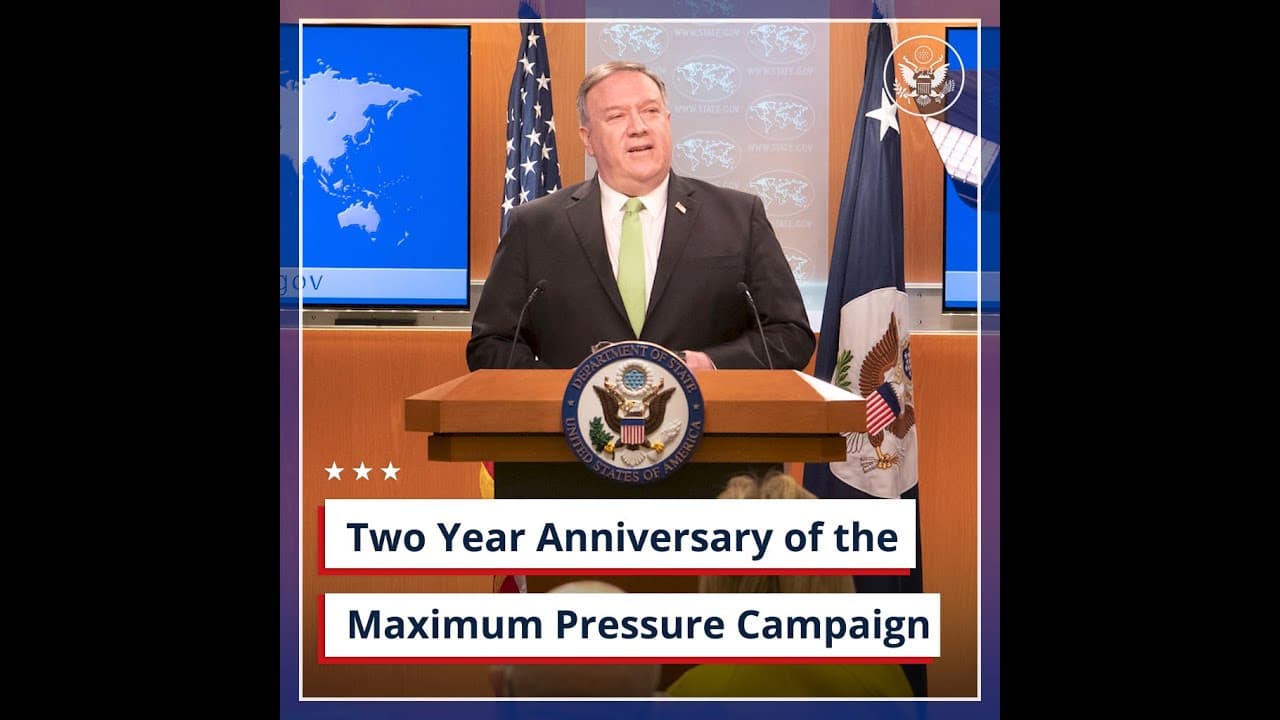
Maximum pressure on Iran is correct policy. The Islamic Republic is structurally fragile, a theocracy sustained almost entirely by oil revenues, with a middle class that has watched its currency collapse by more than 80 percent since 2018. Youth unemployment runs above 28 percent. The regime's own internal surveys, leaked to Western intelligence outlets repeatedly, show deep popular resentment of the clerical government. Squeeze the money supply, hold the line, let the internal pressure build. That's the theory. It's a sound one.
The problem isn't the strategy. It's the timing. The American economy in spring 2026 is not in a condition that makes sustained foreign policy sacrifice easy to sell. Inflation remains above the Federal Reserve's 2 percent target. Gas prices averaged $3.42 per gallon nationally in March, up from $3.12 a year prior. Consumer confidence dropped for the third consecutive month in February. I was talking last month to a freight broker in San Antonio, 22 years in the business, and he was direct about it: "I don't care about Iran. I care about diesel." That's not selfishness. That's a signal Tehran is actively trying to amplify, and the administration needs to take it seriously.
Iran Knows Exactly What It's Doing
The Islamic Republic's strategy against the United States is not military confrontation, that fight ends badly and immediately for Tehran. The strategy is psychological and economic attrition: impose enough cost on American consumers that the political will to sustain pressure collapses before the regime does. It's the same playbook the mullahs have run since 1979. Wait out the American election cycle. Identify the domestic pressure point. Apply force through proxies at plausible-deniability distance.
In 2026, the pressure point is energy. Iran retains material influence over Houthi operations in the Red Sea, which have driven global shipping insurance to their highest sustained levels in a decade. Rerouting cargo around the Cape of Good Hope adds approximately 14 days and 25 percent to freight costs. Those costs flow into retail prices. Every pump spike is a message from Tehran to American voters, even when it isn't labeled as one. Secretary of State Marco Rubio acknowledged this plainly in February, telling the Senate Foreign Relations Committee that "Iran's primary target in this conflict is American political stamina, not American military capability." He's right. And right now that target is exposed.
What does it look like when a sound foreign policy strategy fails not to the adversary, but to a tired electorate? Ask anyone who sat in the room during the 2015 JCPOA negotiations. They'll tell you precisely.
What the Historical Record Says About Sustained Pressure
Economic pressure campaigns succeed when the domestic political coalition sustaining them outlasts the adversary's capacity to absorb pain. They fail when the coalition fractures first. The anti-apartheid sanctions took decades and required consistent bipartisan support across multiple administrations. The post-2022 sanctions against Russia are eroding in real time because European economic pain is generating political fractures. Cuba has been under embargo since 1960 without regime change.
The common thread in failed campaigns is not the sanctions themselves, it's the sustaining coalition running out of endurance before the adversary does. Iran studied the 2015 JCPOA negotiations carefully. The Obama administration's calculation that sustained pressure was politically too costly is a lesson Tehran has banked. The mullahs are betting on a repeat. The question is whether the Trump administration has a deliberate strategy for the home-front dimension of maximum pressure, not just for the military and diplomatic dimensions that get more attention.
The administration's public communication on this has been inadequate. "Maximum pressure until the regime reforms or collapses" is a policy. It's not a saleable narrative for the Americans paying for it at the pump every week.
Two Instruments the Administration Isn't Using
The first is domestic energy production. Every barrel of oil produced in the Permian Basin or the Gulf of Mexico is a barrel that doesn't fund the Iranian regime and doesn't give Tehran a lever to pull on American retail prices. The administration has the regulatory authority to significantly accelerate domestic production. Using it is simultaneously good energy policy and good Iran policy. Decoupling American political will from OPEC pricing decisions removes the most accessible weapon in Tehran's home-front arsenal. This is not a complicated calculation.
The second instrument is disciplined public communication with benchmarks. The American public needs to understand that current economic friction is connected to a strategic objective with a definable endpoint, not an open-ended campaign with no exit criteria visible to ordinary people. The administration needs specific progress markers, explicit framing of what success looks like, and a credible timeline that makes the cost structure legible to the voters bearing it. Pressure without narrative collapses into resentment. Resentment elects different politicians. Different politicians make deals.
The strategy is correct. The home-front architecture needs to match the strategic ambition. That's the undone work.
The Cost of Getting This Wrong Is Not Recoverable
A nuclear-armed Iran is not a foreign policy setback, it is a permanent catastrophe with no remediation path. The Islamic Republic has publicly declared its intention to destroy Israel. It has provided material and operational support to Hezbollah, Hamas, Islamic Jihad, and the Houthis for four consecutive decades. A regime that acquires nuclear weapons does not moderate. It operates under a deterrent umbrella that makes every proxy campaign harder to address and every regional partner harder to defend credibly.
The cost of abandoning maximum pressure because it got economically uncomfortable is a nuclear-armed theocracy with a 45-year track record of state-sponsored mass murder. Weighed against elevated diesel prices and a few months of consumer discomfort, the calculation should be straightforward. But straightforward calculations still need to be made durable, and durability requires managing the home front with the same strategic seriousness the administration applies to the military and sanctions dimensions. The gap between those two levels of seriousness is Tehran's best asset right now. Closing it is the work that remains.