A City That Doesn't Make the Papers
Drove through Corpus Christi last spring. Not for a conference. Not for a photo op. Just passing through on the way to visit family in the Valley, and I stopped for gas off I-37 near the refinery corridor. The smell hits you first — crude oil and salt air and something that smells like actual work being done. Men in Carhartt jackets. A taqueria with a hand-painted sign. Trucks with American flags and union stickers side by side, which tells you something about the complexity the political class refuses to acknowledge.
Corpus Christi doesn't trend on Google because something went wrong there. It trends because Americans are looking it up. Curious about it. Maybe because a city of 320,000 on the Texas Gulf Coast keeps producing economic stories that don't fit the approved narrative about where prosperity comes from.
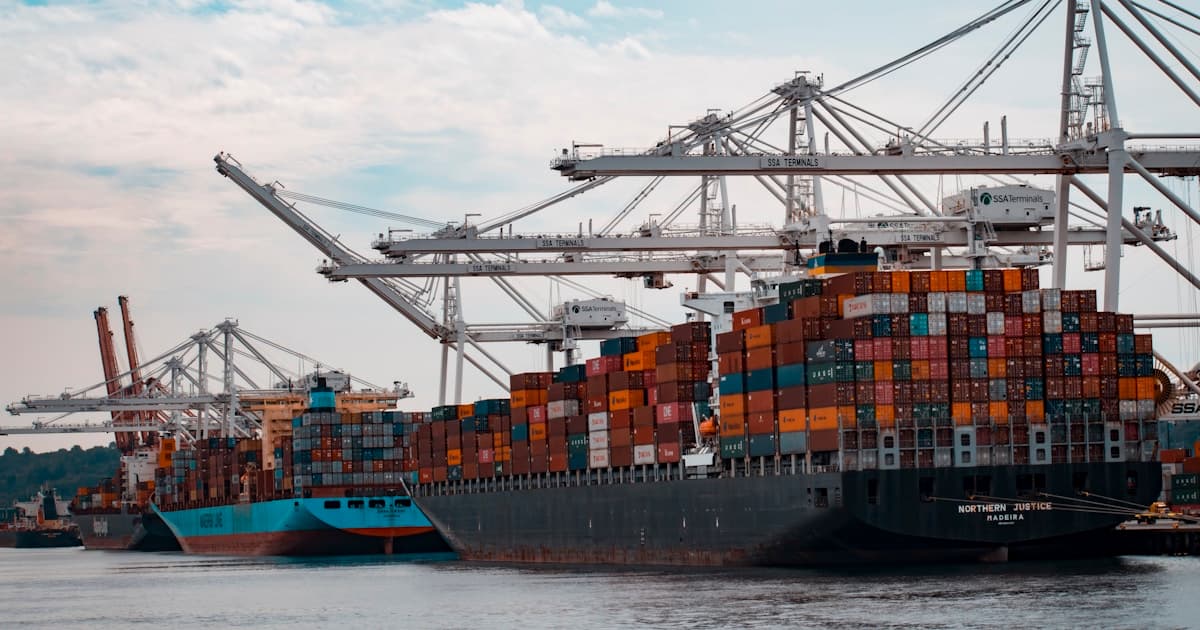
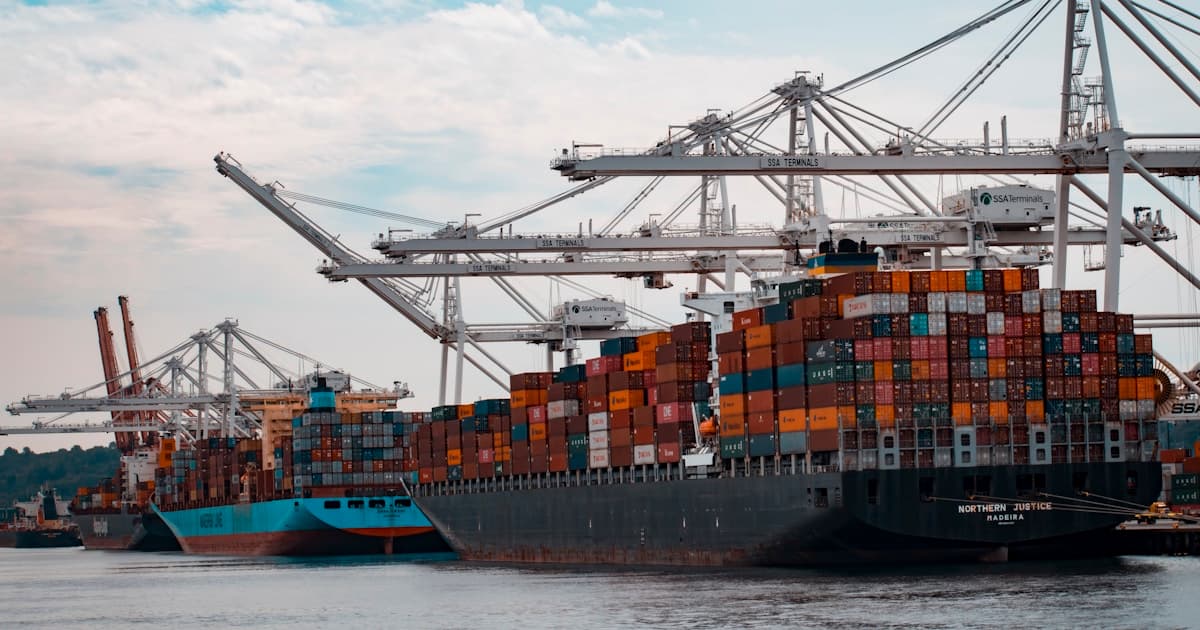
Here's the number that matters: the Port of Corpus Christi is now the number one crude oil export terminal in the world. Not in Texas. Not in America. The world. It handles more than 2 million barrels per day. And the people who made that happen aren't venture capitalists in Menlo Park or policy architects at Brookings. They're roughnecks and engineers and longshoremen and refinery workers who showed up every day while the rest of the country was busy arguing about pronouns.
The Federal Reserve Has No Idea This Place Exists
When Jerome Powell talks about inflation, he talks about it in the abstract. Aggregate demand. Supply chain normalization. Core PCE. The language of men who have never had to choose between filling their tank and buying groceries. Corpus Christi is where the rubber meets the road — literally — because the price of everything flows from energy, and energy flows through places like this.
The Fed's rate policy over the past three years has hammered working-class communities in the Sun Belt harder than anywhere. Higher borrowing costs hit small businesses on Staples Street. They hit the family trying to buy their first home in the Southside. They hit the shrimping operations in Aransas Pass that can't finance new equipment. The economists who designed this policy don't live in Corpus Christi. They live in Georgetown and Bethesda and they summer somewhere with a name that ends in -port.
And yet the city persists. Because it's built on something real. The Eagle Ford Shale formation doesn't care about interest rate policy. The Gulf doesn't care about Jerome Powell's next press conference. The petrochemical infrastructure that makes Corpus Christi run was built by people who understood that wealth comes from extraction and transformation and shipping — not from financial engineering and federal subsidies for preferred industries.
That's the lesson Washington refuses to learn. Real economic resilience doesn't come from the top down. It comes from places with deep water ports and willing labor and proximity to actual resources.
What the Coastal Consensus Gets Wrong About Cities Like This
The standard elite take on a city like Corpus Christi — when they bother to have one at all — goes something like this: fossil fuel dependent, vulnerable to climate disruption, needs to transition to clean energy jobs, underinvested in education and healthcare. The prescription always involves federal programs, managed transitions, and experts from somewhere else telling the locals what their economy should look like.
Corpus Christi keeps rejecting this prescription. Not because the residents are unsophisticated. Because they can see what the prescription actually produces. They watched Detroit get managed. They watched the industrial Midwest get transitioned. They know what happens when federal planners decide your city's economy needs to evolve.
What does it mean when a coastal city built on oil and natural gas and commercial fishing becomes the world's top crude exporter? It means someone made good decisions. It means infrastructure got built. It means permits got approved and capital found its way to productive use. That's not an accident. That's the result of local leadership that prioritized growth over optics.
The Corpus Christi Regional Economic Development Corporation has worked for years to diversify the industrial base while doubling down on energy — adding liquefied natural gas export facilities, attracting petrochemical processing, building out the port's capacity. None of this required a White House initiative. None of it needed a congressional working group. It needed local leaders who understood their own city.
The Deeper Point About American Renewal
There's a pattern here that deserves more attention than it gets. The cities that are actually growing, actually building things, actually producing wealth — they tend to be places that get ignored by the prestige press. Midland. Odessa. Lubbock. Laredo. Corpus Christi. The reporters fly over them on the way to Austin.
But here's what those cities have in common: they have a reason to exist that isn't government-dependent. They produce something. They move something. They make something. Their prosperity is legible — you can point to the thing that generates it. That's a very different foundation than an economy built on regulatory capture, government contracting, and proximity to federal spending.
The Federal Reserve's inflation models consistently underestimate energy's role in the real economy because the people building those models live in places where energy is something that happens to you, not something you make. Corpus Christi is a standing rebuke to that worldview. When global energy prices move, this city feels it immediately — and responds. When the shale revolution happened, Corpus Christi didn't wait for a federal transition plan. It built pipelines.
That's the American instinct worth preserving. Not the instinct that waits for Washington to tell it what to do next. The instinct that sees an opportunity and moves.
Next time the Fed meets to discuss the state of the American economy, someone should suggest they take a drive down I-37 first. Stop at a taqueria. Smell the air. Talk to a man in a Carhartt jacket. The economy they're trying to manage is a lot more real than their models suggest.