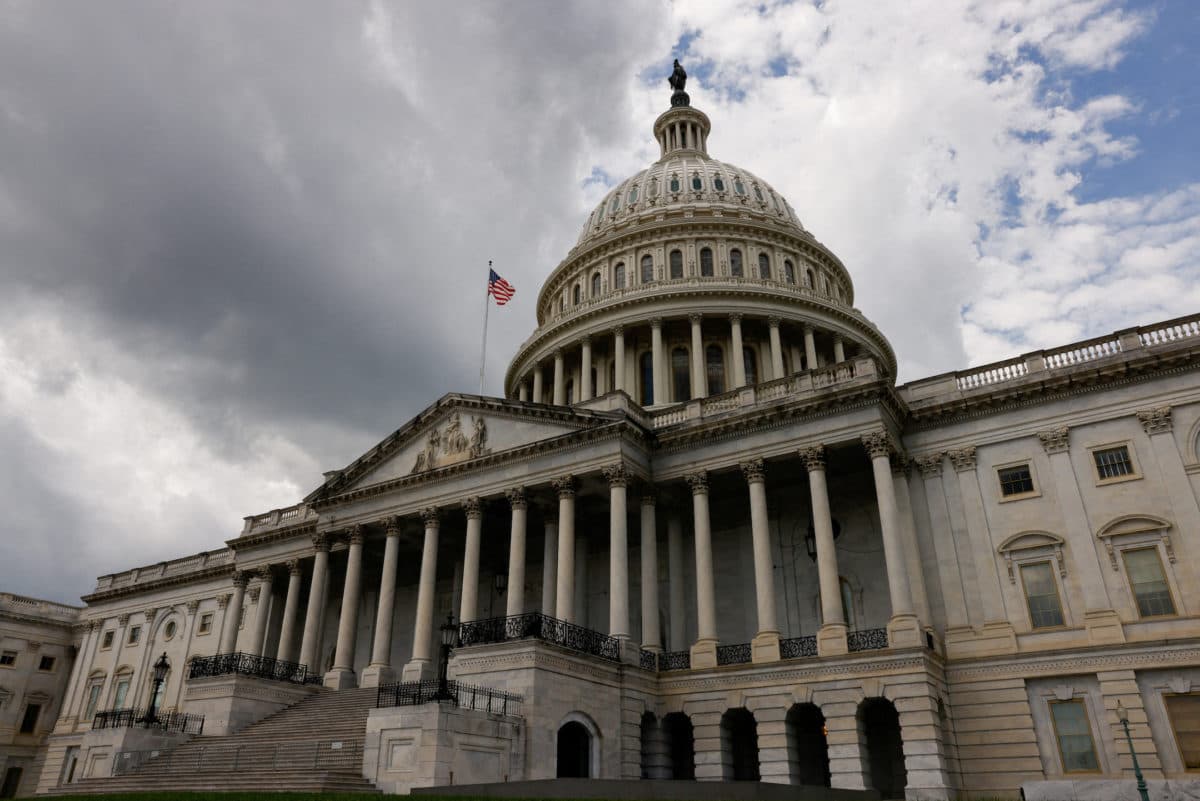
The Debt They Pretend Is Not Real
For decades, Washington has treated the federal balance sheet like a fiction. Politicians promise bridges, hospitals, student loan bailouts, and green subsidies, then act surprised when the bill arrives. The truth they hope voters never learn is simple: the United States is more than $34 trillion in debt, and the people running this city have no honest plan to pay it back. They have a plan, all right, but it is not repayment. It is denial, delay, and devaluation of the dollars Americans earn.
The lie works because it is told in pieces. One committee insists a new entitlement is fully paid for. Another committee claims a trillion-dollar infrastructure package costs zero dollars. A third committee votes for another aid package after recess. Add them up and the Treasury Department reports that the national debt now exceeds $34 trillion, a figure larger than the entire annual economic output of the United States. That is not accounting trivia. It is a mortgage placed on every child born this year before he draws his first breath.
The debt-to-GDP ratio has climbed past 120 percent, a level not seen since the end of the Second World War. Then, at least, we had mobilized industry and defeated enemies. Today we have mobilized TikTok influencers and climate consultants. The lie is not merely the number itself. The lie is the pretense that this trajectory ends anywhere except national decline. Social Security and Medicare trustees have warned for years that the trust funds are heading toward insolvency, yet Congress treats those reports like junk mail.
Interest, Not Purpose, Is Now the Budget
Every dollar borrowed carries a price. In fiscal year 2024, the federal government spent roughly $870 billion just paying interest on the national debt. That is more than the entire defense budget. It is more than the combined budgets of the Departments of Veterans Affairs, Homeland Security, and Agriculture. Servicing the debt is now the single largest line item in the federal budget outside of entitlement programs, and it grows every time the Federal Reserve raises rates or Congress raises the spending ceiling. It is money spent on yesterday's consumption, with no road, no ship, and no school to show for it.
The Congressional Budget Office projects annual deficits approaching $2 trillion as far as the eye can see. Even if no new programs are added, those deficits compound the debt, and the debt compounds the interest payments. Within ten years, the CBO expects interest alone to approach $1.6 trillion annually. Imagine what that money could buy. It could modernize the nuclear deterrent, secure the southern border, and rebuild American manufacturing. Instead, it will vanish into coupon payments to creditors in Beijing, Tokyo, and Wall Street bond funds.
This is the part of the budget politicians refuse to discuss. They would rather stage hearings about social media algorithms or microaggressions than admit they are turning the United States into a debtor nation. A country that pays more to its creditors than to its soldiers is a country that has lost its priorities. A country that borrows from its rivals is a country that has forgotten what independence means.
The Real Tax Is on the Future
Washington loves to talk about who pays taxes today. The real story is who pays tomorrow. The national debt now amounts to more than $266,000 for every federal taxpayer. That is not an abstract figure on a Treasury spreadsheet. It is a lien on family farms, small businesses, retirement accounts, and college funds. It will be collected through inflation, higher interest rates, slower growth, and eventually the painful choices no politician wants to make. When the bill comes due, politicians will claim the only option is a VAT, a wealth tax, or another raid on savings.
Inflation is already the cruelest form of taxation. When the Treasury prints and borrows to cover shortfalls, every dollar in a working family's checking account buys less. Groceries, gasoline, rent, and used cars all cost more because the money itself has been diluted. The official numbers understate the pain, since the basket of goods the government uses to measure inflation does not capture the way ordinary households actually live.
The lie also weakens America abroad. China holds hundreds of billions of dollars in U.S. Treasuries, and other rivals watch as our debt constrains our ability to project strength. A nation that must borrow to fund its government is a nation that can be pressured. The dollar remains the world's reserve currency, but reserve status is not a divine right. It must be defended by discipline, not defended by press releases from a Treasury secretary who treats debt like a public relations problem.
Voters did not create this mess. They were told that stimulus would stimulate, that infrastructure would pay for itself, and that the rich would cover the tab. Each promise expired and was replaced by a larger one. The only honest response is to stop pretending. Freeze discretionary spending, claw back the green slush funds, require a balanced budget except in declared wars, and stop using the Federal Reserve as an off-balance-sheet credit card.
Washington's $34 trillion lie is that the debt does not matter, that someone else will pay it, and that prosperity can be borrowed instead of produced. Those are three lies for the price of one, and the price is being charged to the next generation. Texans have long understood that you cannot spend what you do not have and call it wealth. It is time the rest of Washington learned the same lesson.