I Watched My Neighbor Fill Out Three Ballots
I'm going to tell you something I've never written about because I wasn't sure how it would land. In November 2020, I watched my elderly neighbor — a sweet woman in her eighties who gets confused about what day of the week it is — sit at her kitchen table while her nephew guided her hand across three mail-in ballots. Her two adult children who no longer live in the county still had ballots mailed to her address. The nephew filled out all three.
I don't know who he voted for. That's not the point. The point is that it happened, in a suburb of a midsize American city, without any apparent concern that anyone might object.
When I hear Democrats say that concerns about mail-in ballot integrity are fabricated, I think about that kitchen table. And I stop listening to them.
What Trump Is Actually Proposing
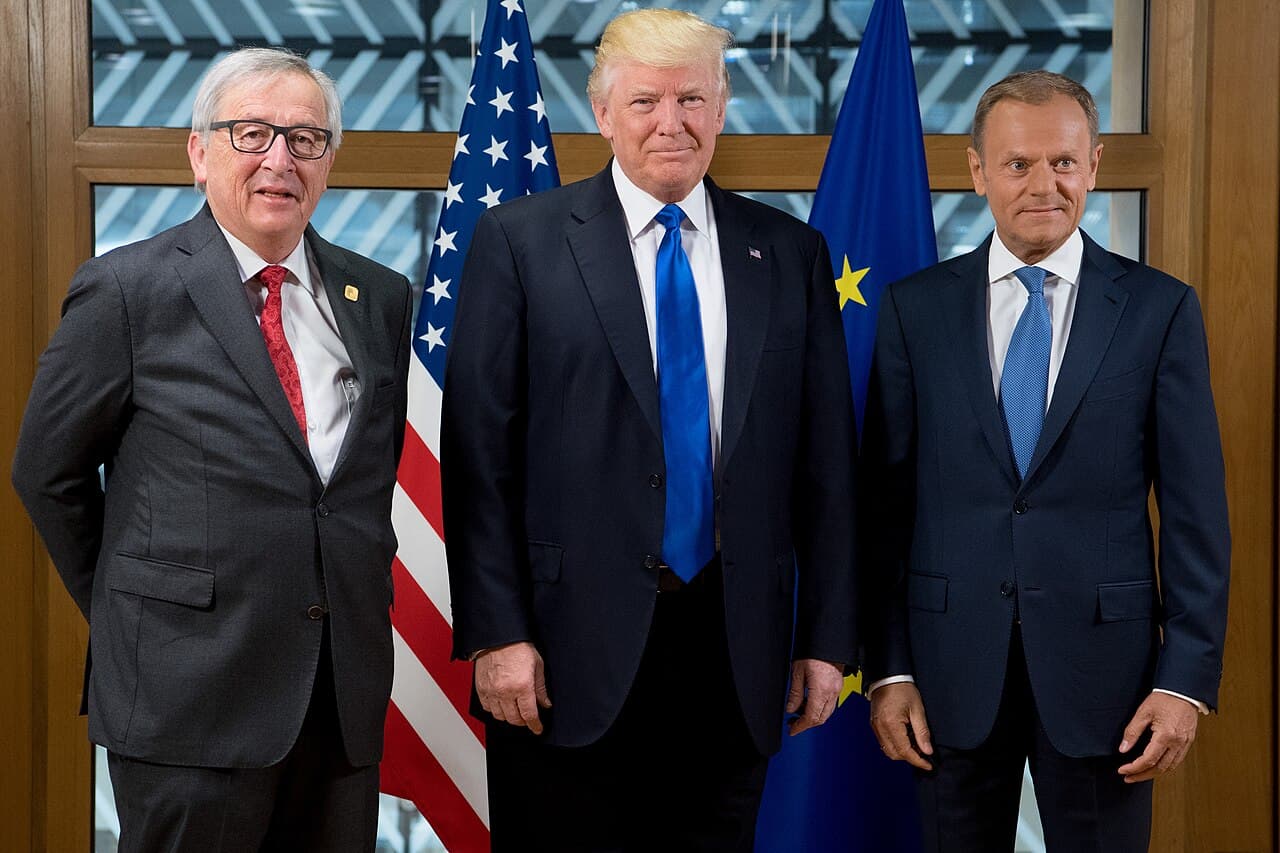
The president's push to restrict mail-in voting ahead of the 2026 midterms has been framed by every major outlet as an attack on voting rights. That framing is deliberate and dishonest. What Trump is proposing — requiring photo ID for mail-in ballot requests, tightening signature verification requirements, reducing the window for accepting ballots after Election Day — is standard practice in most functioning democracies.
France requires in-person voting with photo ID for most elections. Germany has strict absentee requirements. Canada, which American progressives love to cite as a model of reasonable governance, requires photo ID or a signed attestation from a registered voter to cast a ballot. None of these countries are considered voter-suppression regimes by the international community.
The United States is the outlier, not Trump. The last decade of mail-in ballot expansion, particularly the emergency expansions during COVID-19 that were never rolled back in many states, created a system with verification gaps that any honest election administrator will acknowledge in private, even if they won't say so on camera.
The Chain of Custody Problem
Here is the question that nobody in the mail-in voting expansion coalition wants to answer: how do you verify that the person who filled out the ballot is the person registered to vote?
Signature verification, the primary method used in most states, is not a rigorous process. It varies by county, by election worker, by the volume of ballots being processed. During the 2020 election, rejection rates for mail-in ballots dropped dramatically in many states compared to prior elections — not because the signatures got better, but because the political pressure to count every ballot overrode the verification process. Some counties in Pennsylvania rejected fewer than 0.1% of mail-in ballots on signature grounds in 2020, compared to 1-2% in prior cycles. That's not improved verification. That's degraded verification wearing the costume of expanded access.
Trust in elections isn't abstract. It's cumulative. Every verification step that gets softened or waived is a withdrawal from the account of public confidence. And once that account hits zero, you don't get it back with a press release.
The Faith Argument Nobody Makes
There's a version of the election integrity argument that I rarely see made explicitly, but that I think underlies why this issue resonates so deeply in communities of faith and in communities where civic participation has historically felt sacred rather than transactional.
Voting is an act of self-governance. It's a ritual. It asks something of you — your presence, your attention, your willingness to show up and be counted as a citizen. When we strip those requirements away in the name of convenience, we don't just change the mechanics of an election. We change what an election means. We convert a civic sacrament into a mail-order transaction.
That's not progress. That's loss.
The Americans who feel most strongly about election integrity aren't, as the media frames them, cynics looking for cover to suppress votes. They're people who believe that self-governance is serious and deserves to be treated seriously. That showing up matters. That the act of casting a ballot should be an act — not a form you leave on the kitchen table for your nephew to handle.
Trump is right to push this. The midterms deserve an election system that both sides can trust when they lose. Right now, we don't have that. And the party that benefits from ambiguity has every incentive to keep it that way.