The Poll They Didn't Want to See
Byron Donalds is leading the Florida Republican gubernatorial primary by double digits. That's not a rumor. That's a poll. And if you watch how the political class is reacting — the careful silences, the hedged commentary, the sudden interest in 'electability' — you can read the subtext without much effort.
They're worried.
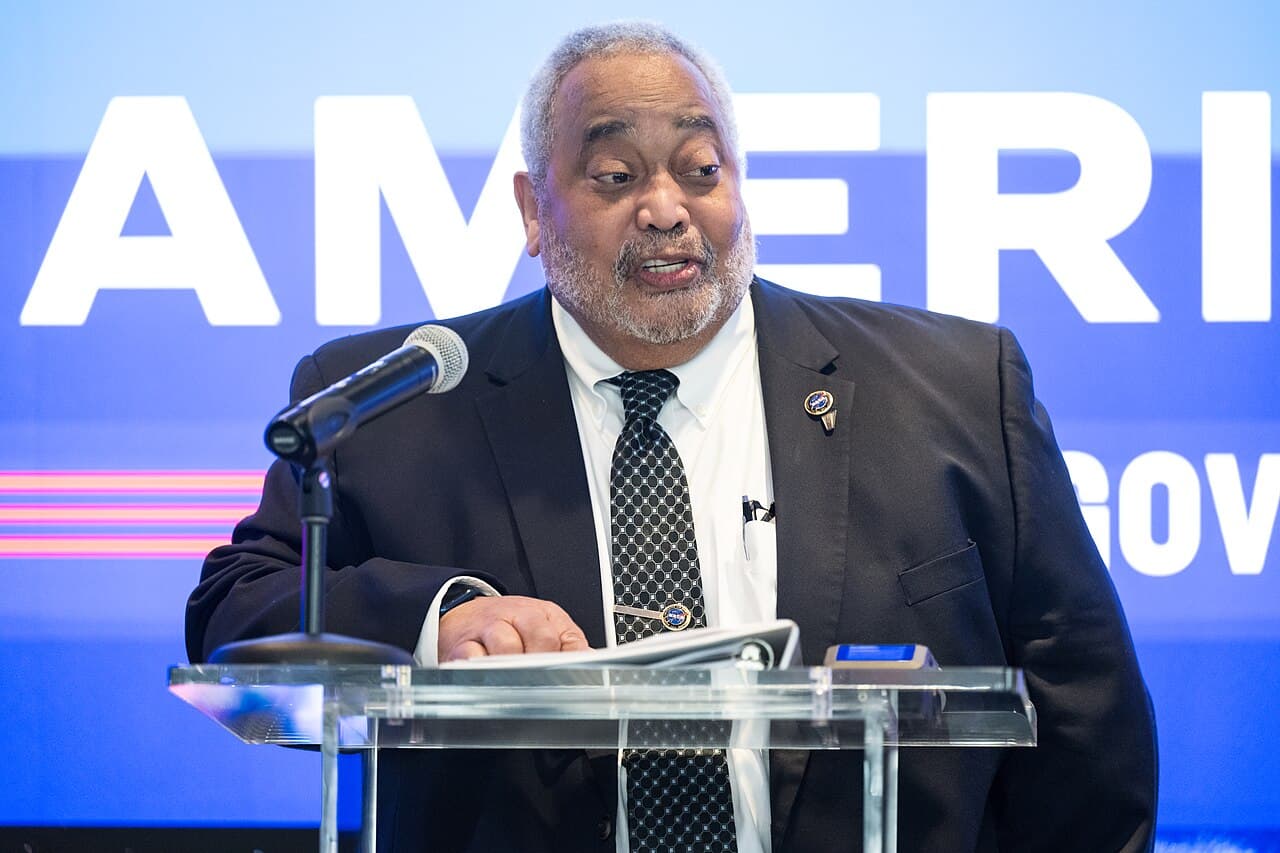
Donalds is a five-term congressman from Naples, Florida. He's a former state legislator, a businessman, a man who grew up in Brooklyn without a silver spoon and built something anyway. He's also Black, conservative, and absolutely unwilling to perform the kind of softened, consultant-approved Republicanism that the donor class prefers. That combination is what makes the establishment nervous. They can't code him. Can't file him. Can't fit him into the usual story they tell themselves about what conservative politics looks like.
What Floridians Are Actually Saying
Florida is a different state than it was ten years ago. The migration patterns since 2020 have reshaped it — not just demographically, but politically. The people who left New York and Illinois and California didn't leave because they wanted to bring those policies with them. They left because they were sick of them. And they landed in a state that has, under Ron DeSantis, proved that competent conservative governance isn't just theoretical.
Donalds represents the next chapter of that story. He's not running against DeSantis. He's running on the premise that what DeSantis built should be defended, extended, and deepened. Cut taxes further. Push back harder on federal overreach. Protect the border — Florida's coast isn't symbolic; it's an actual point of entry for fentanyl, for trafficked people, for cartel money.
I covered a Donalds town hall in Collier County two years ago. The crowd wasn't the typical Republican fundraiser demographic. Working guys in work boots. Small business owners. A fair number of Latino voters who've been drifting Republican for the better part of a decade and are now fully committed. When Donalds talks about opportunity and accountability in government, those rooms don't feel like political theater. They feel like people who've been waiting to hear someone say what he's saying.
The Jolly Problem
The poll also looked at a hypothetical matchup with David Jolly. Jolly is a former Republican who has spent the years since his congressional stint positioning himself as the acceptable face of anti-Trump conservatism on MSNBC. His political future in Florida depends entirely on whether enough Republicans decide they'd rather lose elegantly than win with someone who makes them uncomfortable at dinner parties.
That's not an insult. It's a diagnosis. The Never-Trump lane in Republican politics has been steadily shrinking since 2016. By 2024, it was a rounding error in most state primaries. The idea that Jolly represents a viable path to winning statewide in Florida in 2026 requires ignoring about eight years of accumulated electoral evidence.
Donalds, by contrast, has something Jolly doesn't: a base that will walk through fire for him. That's not manufactured. That's earned. And in modern Republican primaries, earned enthusiasm beats borrowed credibility every single time.
What a Donalds Governorship Would Look Like
Donalds has been specific about priorities in a way that most gubernatorial candidates avoid. He wants to extend Florida's property insurance reforms. He wants to crack down harder on sanctuary city policies — Florida doesn't have formal sanctuary cities, but there are jurisdictions that operate that way in practice. He wants to build on the education reforms that have made Florida a national model, expanding school choice and continuing to push back on the ideological capture of public schools.
None of that is radical. All of it is popular with the actual voters who show up in Republican primaries and, increasingly, in general elections in Florida. The state went for Trump by 13 points in 2024. Thirteen. That's not a swing state number anymore. That's a red state number. The question for Florida Republicans isn't how to survive — it's how to govern well and prove the model works.
Donalds is making the case that he's the one to do that. The numbers say Florida Republicans are listening.