Airlines Sold You Less and Called It Options
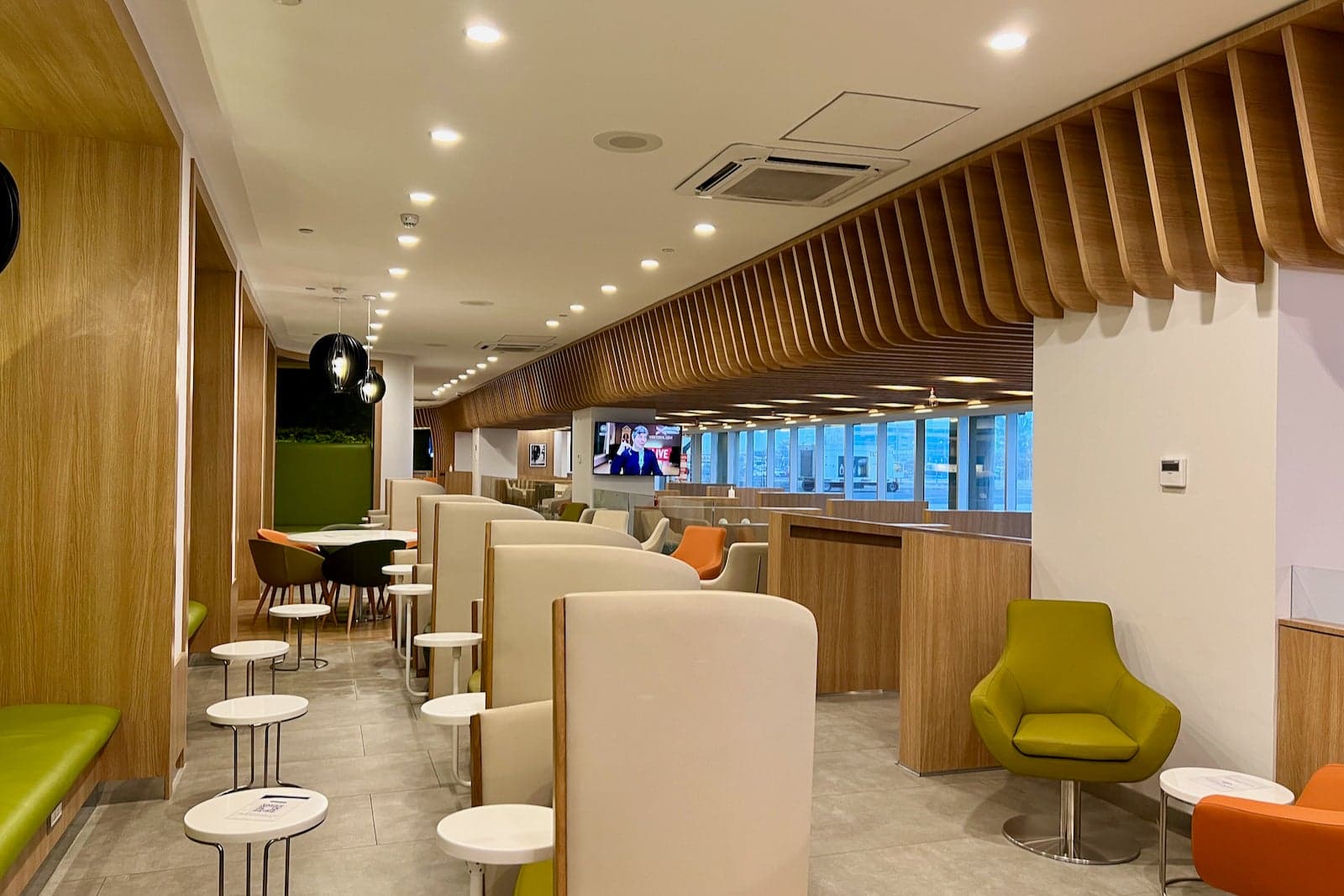
TravelZoo is offering travelers a $1 voucher for airport lounge access when their flight is delayed by two hours or more. Read that again. One dollar. For the lounge with the comfortable chairs, the hot food, the charging stations, the quiet that reminds you air travel doesn't have to feel like a bus terminal.
The fact that a discount travel company can offer lounge access for a dollar and still make money tells you exactly what airlines have been doing. When you can sell something for a dollar, you weren't protecting a premium experience. You were protecting a price point.
I fly several times a year, mostly to see family across Texas and Oklahoma, the occasional trip for my kids' activities. Every single year the experience deteriorates. Seats are tighter. Bags cost more. The Department of Transportation's Bureau of Transportation Statistics reported that US airlines collected approximately $7.9 billion in checked baggage fees in 2023 alone. Seven point nine billion dollars extracted from people who simply wanted to bring their clothes on vacation. Meanwhile the lounge, the one place you could sit down and breathe, became a credit card perk sold for $550 annual fees.
And now it's a dollar. Which means it was always worth about a dollar to give you.
Basic Economy Was a Corporate Choice, Not an Inevitability
Airlines invented "basic economy" fares not because fuel costs demanded it but because they discovered they could charge separately for things they used to bundle into the ticket. Seat selection. Carry-on bags. Early boarding. The ability to change your flight without a fee that exceeds the original ticket price.
American Airlines launched its basic economy product in 2017. United and Delta followed within months. Within three years, the stripped-down structure was industry standard. Airlines wrapped the amenity-stripping in language about "consumer choice", you can choose to pay for the upgrade or choose not to. What they omitted: base fares didn't proportionally decrease to reflect the removal of services. You paid roughly the same for less, while ancillary fees became a separate and growing revenue line.
The consulting firm ICF found in a 2022 industry analysis that ancillary revenue, fees for bags, seats, upgrades, and add-ons, had grown to represent nearly 30 percent of major US airlines' total revenue, up from under 10 percent in 2010. That's not serving customers differently. That's systematically dismantling a value proposition that was included in the ticket price for decades, and then selling the pieces back.
I want to be clear about what I'm arguing. This isn't a call for government price controls on airlines. The market can and should handle this, and the TravelZoo voucher is evidence that it's starting to, with third parties filling gaps that airlines created. But let's not pretend airlines made this choice because passengers demanded it. They made it because they could. And because no single airline had the incentive to break ranks.
The Class Divide in the Sky Is Real and It Was Built Deliberately
Here's what actually happens in American airports today. First-class passengers and people with premium credit cards get lounge access, priority boarding, complimentary bags, and guaranteed overhead bin space. Basic economy passengers get a middle seat, no carry-on allowance, and the privilege of boarding last, when the bins are already full, so they have to gate-check the bag they weren't allowed to bring aboard in the first place.
These two groups share the same aircraft. One is treated like a valued customer. The other is treated like a unit of revenue to be extracted from as efficiently as possible. Families traveling on a budget, which is most American families, are in the second group almost by default.
My faith teaches that how you treat people in moments of vulnerability reveals your actual values, not your stated ones. A flight delay with three kids is genuinely hard. The lounge, with its food, its space, its charging ports, its quieter environment, is exactly where a tired family should be able to wait. Not crammed into a gate area with 200 other people sharing one available outlet.
The dollar voucher is a nice gesture from TravelZoo. But it's a bandage on a wound that the airlines opened themselves, profited from extensively, and will not close voluntarily.
What Conservative Economics Actually Requires Here
Conservatives who reflexively defend corporate pricing as market outcomes miss something important. A market that works requires honest representation of what you're purchasing. When an airline sells a ticket that used to include a carry-on and now doesn't, without clearly disclosing the change at the point of sale, that's not market innovation. That's deceptive pricing dressed up as product differentiation.
The transportation sector operates within a regulatory framework that conservatives should want to get right, not because we want more rules but because basic disclosure requirements are what allow markets to function on behalf of consumers rather than against them. The DOT's airline passenger protection rules, even under the current administration, include fee disclosure requirements precisely because without them, competition doesn't protect the traveler. It protects the airline's margin.
A dollar for the lounge. The market is speaking. It's saying airlines gave up something they didn't have to give up, and a third party noticed the opportunity. That's how markets correct. But the correction required doesn't erase the choice the airlines made, deliberately, with full knowledge of what it cost ordinary passengers, in pursuit of quarterly earnings targets. That's worth naming. Even if the fix only costs a dollar.