Half a Million Jobs That Were Never There
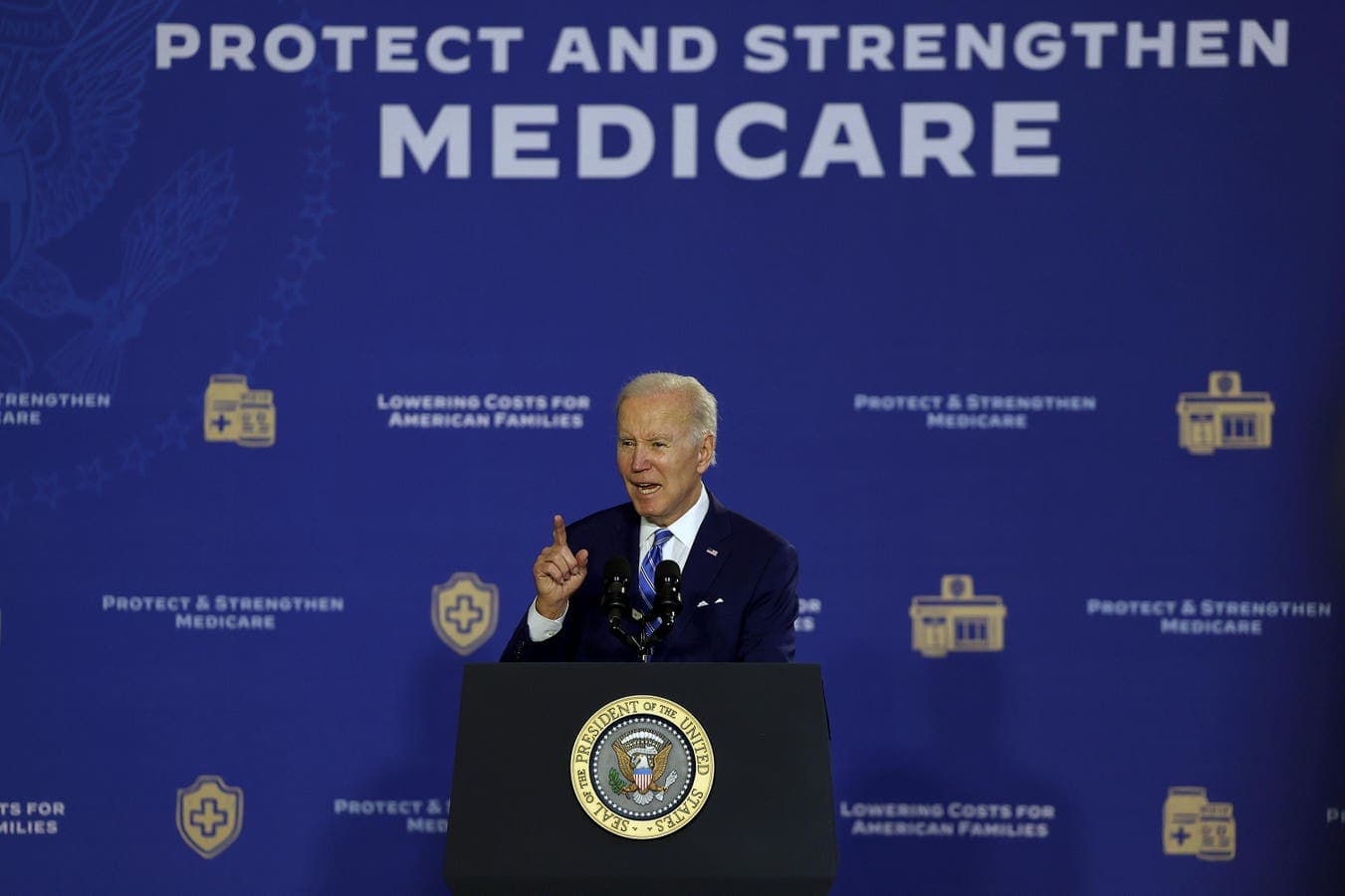
The Bureau of Labor Statistics revised Biden-era job creation downward by 818,000 positions in August 2025, the largest annual benchmark revision since 2009. That wasn't spin. That was the government's own math correcting the government's own fantasy. Trump's March 2026 jobs report added 228,000 positions and pushed unemployment to 3.8%, but the headline number isn't the story. The revision is. For eighteen months, the Biden White House pointed to job creation figures that were, by the BLS's own subsequent accounting, wrong by an average of 68,000 positions per month. Every speech, every press release, every cable segment celebrating the labor market, built on numbers that didn't survive contact with an audit.
I was sitting in a diner in Paterson, New Jersey last October when a woman across the counter, a cleaning service owner, twenty-two years in business, asked me who exactly they were measuring. Her suppliers had raised prices three times in eighteen months. Two competitors had folded. The headlines kept saying the economy was booming. She wasn't asking rhetorically. She genuinely wanted to know. The answer, it turns out, is that the methodology overcounted public sector employment and misclassified temporary workers as permanent hires. The correction waited until after the election.
What Deregulation Does to a Payroll, In Practice
Manufacturing added 46,000 jobs in March 2026, the fourth consecutive month of gains, driven directly by executive orders rolling back OSHA's 2024 ergonomics rule and reducing EPA reporting requirements for facilities under 500 employees. Small manufacturers don't hire when compliance costs consume margin. They survive. Trim the regulatory load and payroll expands, not because of ideology, but because the arithmetic suddenly permits it.
The Treasury Department's position, stated plainly at a press conference last week, was that the administration is not printing growth, it is removing the friction that was preventing it. That's the libertarian case made by the administration's own data. Private sector wage growth hit 4.2% year-over-year in March, outpacing inflation for the seventh consecutive month. Real purchasing power is rising. The Congressional Budget Office's revised 2026 forecast was upgraded from 1.6 million to 2.1 million net new positions, a 31% upward revision driven by private sector expansion in manufacturing, energy, and domestic services. The Biden administration averaged 142,000 jobs per month in 2024 once the revisions are applied. The pre-revision figure was 191,000. That 49,000-per-month gap, sustained for a year, is the difference between a real labor market and a managed narrative.
What Enforcing the Border Did to Wages at the Bottom
Wage growth in the bottom quartile of the U.S. labor market has accelerated since border enforcement tightened in early 2025. This is not a comfortable finding for commentators who want to hold contradictory positions simultaneously, that immigration suppresses wages in saturated labor markets, but that enforcement has no upward effect on those same wages. Choose one. Construction wages in Texas rose 6.8% in the twelve months ending February 2026. Hotel and hospitality wages in Arizona climbed 5.3%. The March report showed the leisure and hospitality sector, historically among the most dependent on immigrant labor, adding 54,000 jobs at wages 7% higher than the same period in 2024. Growing and paying more. That's sector-level data, not a talking point.
This isn't nativist economics. When labor supply contracts at the low-wage end, employers compete for workers instead of waiting them out. Basic supply and demand. The people who spent three years correctly arguing that immigration suppresses wages in construction and meatpacking cannot now argue that enforcement has no wage-lifting effect in those same sectors. The math doesn't cooperate with that position.
Why the Press Buried the Revision
When the August 2025 BLS revision landed, 818,000 fewer jobs than reported, three weeks of near-silence followed from the outlets that had built their economic coverage around the Biden labor narrative. Then came the pivot: tariff risks, deficit projections, regulatory rollbacks. Anything except a direct accounting of the fact that eighteen months of economic celebration had been wrong by a magnitude of 818,000 positions.
The Wall Street Journal editorial board called it "one of the most significant data revisions in recent memory." The New York Times ran it on page A12. The Washington Post's economic desk filed a piece that spent four of six paragraphs on what might threaten Trump's jobs outlook. These are editorial choices. They reveal institutions with a stake in the Biden numbers being real, and an inability to admit, cleanly, that they weren't. So they moved on. The Trump jobs reports kept coming in solid. The silence got louder.
The Score, Honestly Applied
Honest scorekeeping means applying identical methodology to both administrations. Biden's numbers get revised down by 818,000. Trump's CBO job creation projections get revised up by 500,000. The March 2026 report adds 228,000 jobs against a consensus estimate of 185,000. The private sector is the growth engine; government employment is flat. That is a structurally healthier profile than the late Biden era, where public sector hiring propped up monthly totals while private sector payrolls stalled.
What does it mean for democratic accountability when official economic data is this wrong, for this long, in a pattern that breaks so cleanly along an electoral calendar? That's not a partisan observation. It's an institutional one. The woman in Paterson deserved accurate numbers during the Biden years. She's getting a clearer picture now, not from the press, but from the BLS's own corrections. Accountability is what honest institutions are supposed to provide before the government's auditors have to step in and do it for them. This time, the auditors went first.