The Number The Briefing Slide Will Not Show
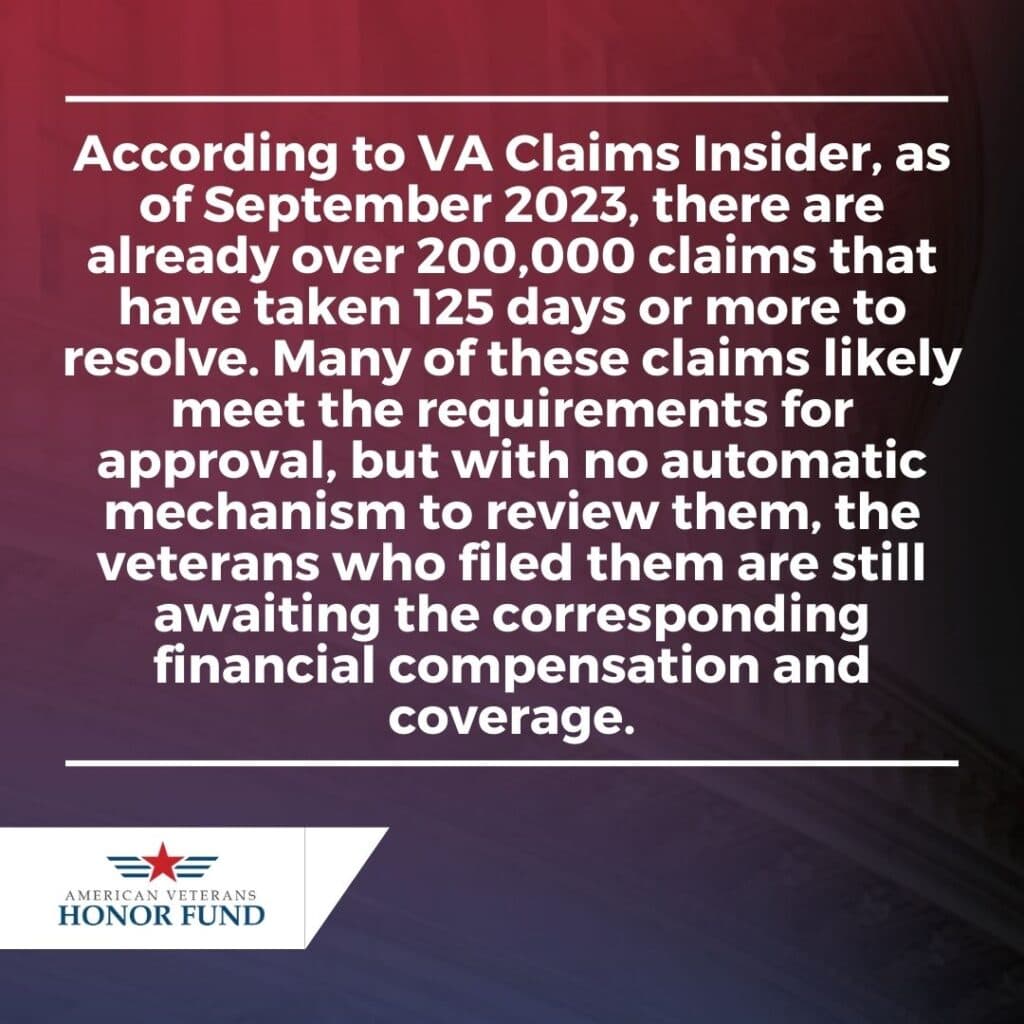
The Department of Veterans Affairs publishes quarterly disability compensation performance data through the Veterans Benefits Administration. The most recent two quarters show the pending claims inventory above 425,000 for the first time in three years. The number is in the publicly available reporting. The number has not appeared in any departmental press release. The number has not been referenced in any of the VA Secretary's congressional testimony over the same window. I have buried friends for this country. I have also watched the system fail more friends than I have buried. Mission failed.
The backlog growth is not a rounding error. The growth is approximately 18 percent over six months. The growth coincides with two specific operational changes the department has made and has not adequately communicated to the veteran population. The first is a workflow change in the regional offices that processes disability appeals. The second is a staffing reduction at three of the four central processing centers that handle complex claims. Both changes had operational justifications. Neither justification has been adequate to the consequence.
What The Workflow Change Actually Did
The workflow change consolidated disability appeals processing into a smaller number of regional centers, on the theory that consolidation would produce efficiency gains through specialization. The theory was not wrong in the abstract. The implementation, by the department's own internal review, has produced efficiency losses through the transition period that have not yet been recovered. The transition period was projected to last six months. The department is now ten months into the transition. The recovery has not yet begun in the data.
The veterans affected by the workflow change are the veterans whose appeals were in process at the moment of the consolidation. Their files moved from one regional center to another. The receiving center had to rebuild case context, contact the veteran, in many cases re-acquire medical records, and re-establish the procedural posture of cases that had, in some instances, been in process for years. The administrative cost of the rebuild has been the friction that the consolidation efficiency gains have not yet overcome.
The Staffing Reduction Story
The staffing reduction at the central processing centers came in response to a budget posture that the department's leadership has not contested publicly. The leadership accepted the reductions. The reductions affected the population of senior claims processors whose expertise on complex claim categories, including post-9/11 toxic exposure cases and traumatic brain injury cases, has been the institutional knowledge that the system has relied on for two decades.
The complex claims are not the majority of the backlog by volume. The complex claims are the majority of the backlog by impact. A complex claim, on average, takes the affected veteran through a process that exceeds twelve months from filing to resolution. A complex claim involves financial outcomes that often determine whether the veteran can continue to live in his current housing, whether his family can afford the care his medical condition requires, and in some cases whether he remains alive. We did not serve for this. Check the ROE. Then check the reality.
What The Department Says
The department's official response, when asked about the backlog growth, has been that the agency is implementing process improvements that will reduce inventory through the back half of the fiscal year. The response is the response the department has provided in every quarter that the backlog has grown for the trailing decade. The response is true in the sense that the process improvements exist. The response is incomplete in the sense that the process improvements have not, in any of those quarters, produced the backlog reductions the department has projected.
The pattern of projection and actual is documented in the department's own performance data. The Inspector General's office has, in three of the trailing five annual audits, flagged the gap between projection and actual as a material concern. The flag has not produced the structural changes that the gap would suggest are required. The structural changes the gap suggests are required would include real growth in the senior claims processor population, real investment in the case management technology stack the regional centers use, and real change in the personnel rotation rhythm that determines how long an institutional expert remains in the role that the institutional knowledge requires.
The Veterans Service Organization Posture
The major veterans service organizations have been working the backlog issue at the policy level for years. The American Legion, the Veterans of Foreign Wars, and the Disabled American Veterans have all submitted formal comments on departmental rulemaking that have flagged the workflow and staffing decisions as connected to the backlog growth. The comments have produced minor adjustments. The comments have not produced the structural correction the data would require.
The VSOs are operating within a constraint that limits their public posture. The constraint is the ongoing partnership relationship with the department that the VSOs maintain in order to support the individual veterans they serve. The partnership relationship is real and is operationally consequential at the case-by-case level. The partnership relationship is also the constraint that prevents the VSOs from delivering the kind of public pressure on the department's leadership that the structural correction would require.
What I Would Tell A Veteran Filing Today
What I would tell a veteran filing a claim today is what the experienced VSO claims agents will already tell him. File complete. Document everything. Maintain copies of every submission, every medical record, every communication with the department. Engage a VSO claims agent on the day of the filing. Do not rely on the department's communication channels alone. Expect the timeline to exceed the projected timeline by a margin that exceeds your patience. Plan financially for the gap.
The system is supposed to work better than this. The system did, in earlier eras, work better than this. The system is currently failing the people who have already paid the price for the country's security, and the department's public posture is not adequate to the failure. Full stop.


