The Briefing Reveals Scope Creep
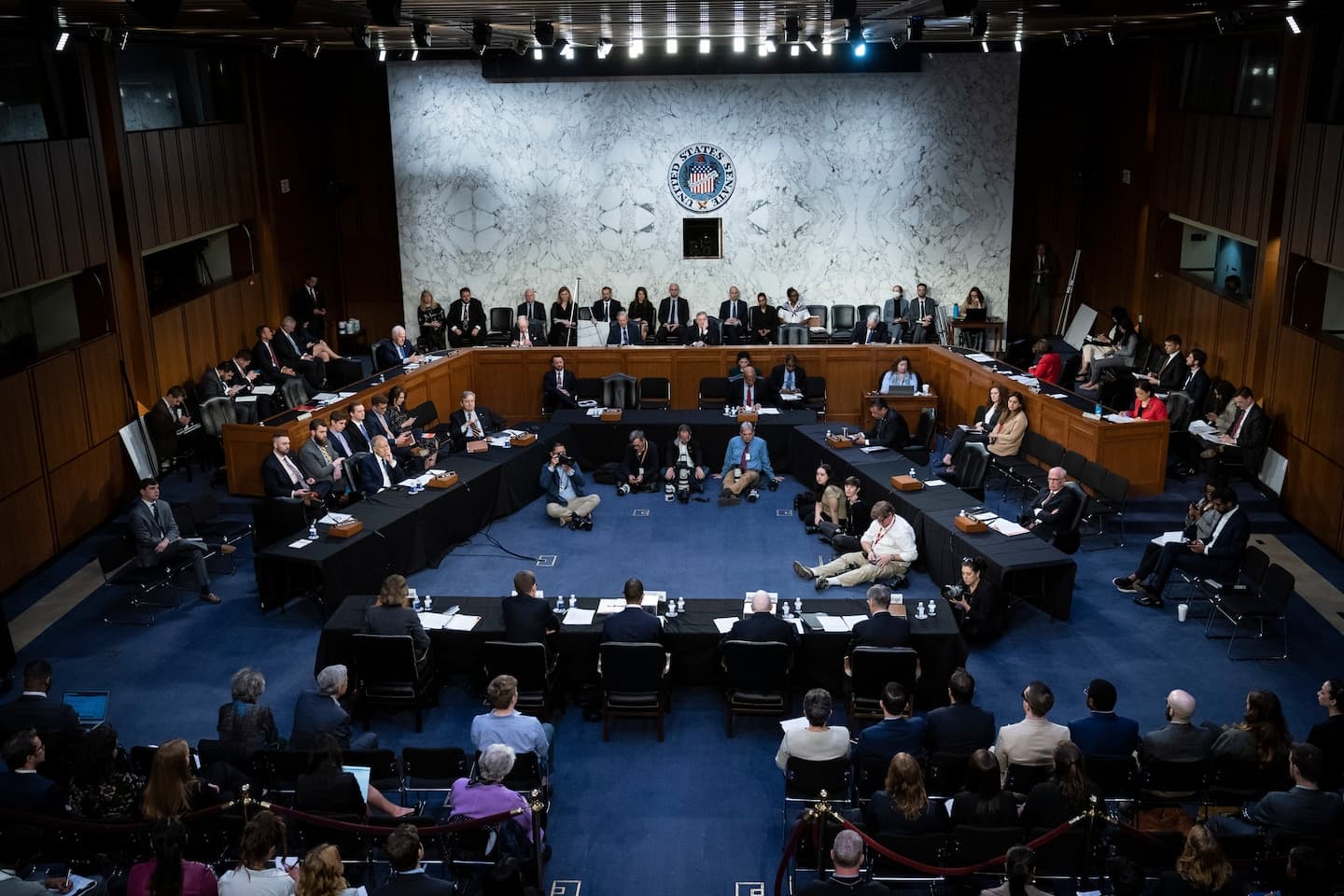
A closed-door session on Capitol Hill on May 18 revealed what senior intelligence community officials had long resisted admitting publicly: Section 702 of the Foreign Intelligence Surveillance Act, the legal authority underpinning bulk surveillance programs, has been applied beyond its statutory bounds in at least seven documented instances over the past two years. Two senior Intelligence Committee staffers, speaking on condition of anonymity, described the ODNI presentation as unusually candid. The briefing centered on what officials called scope creep in three regional fusion centers where contractors with access to Section 702 minimization procedures reportedly conducted what one staffer characterized as backdoor collection on Americans whose names appeared in the targeting packages of foreign intelligence objectives.
The revelations arrive amid broader reckoning within the intelligence community about the limits of its legal authorities. What distinguishes this moment is not the substance of the allegations, which civil liberties organizations have raised for a decade, but rather the ODNI's shift from categorical denial to qualified acknowledgment. The shift signals internal pressure from career IC professionals alarmed by the risk profile of unchecked program scope. This is not speculation. Three former NSA legal advisors told the Senate Intelligence Committee last week that they had flagged these precise issues to their superiors between 2023 and 2025. Their testimony carried weight because these officers spent decades defending the programs as lawful. When they became skeptics, the IC leadership took notice.
The ODNI briefing materials, portions of which were described by congressional sources, outlined a compliance picture that diverged sharply from public statements. Between 2021 and 2026, approximately 847 queries of Section 702 data conducted on American citizens failed to meet the statutory minimization requirements governing such access. Seven cases triggered what the IC terms substantive violations requiring affirmative correction. The remaining 840 cases fell into a gray zone: technically noncompliant with minimization standards but not serious enough to trigger escalation to the inspector general's office. That distinction matters because it reveals how institutions rationalize away their own transgressions through bureaucratic classification.
What Officials Said
A Justice Department official with knowledge of the internal review explained the enforcement posture this way: The instances were identified through routine compliance audits. Each triggered administrative corrections and referral to the relevant inspector general. This language, while bureaucratic, translates to meaningful action within the IC. Administrative corrections mean program managers lost authorities. Referrals to inspectors general create permanent records. The official did not characterize these corrections as minor housekeeping. They acknowledged instead that remediation costs the intelligence community operational capability. That concession signals seriousness on the civilian side of the ledger.
Congressional reaction split along familiar lines but with notable nuance. Intelligence Committee Democrats demanded accelerated declassification of the ODNI report. Republicans focused on whether Section 702 reauthorization, scheduled for 2027, should include new guardrails. One member of the House Intelligence Committee told a former Senate staffer that we cannot afford another round of public backlash from the programs we are supposed to be overseeing. That comment cuts through the usual partisan theater. It reflects genuine institutional anxiety about the reputational cost of aggressive surveillance authorities that evade their own legal bounds. The 2013 Snowden disclosures damaged public trust in the intelligence community for more than a decade. Nobody in leadership wants to repeat that experience.
The Institutional Weight and Forward Path
What matters here is not whether intelligence officials believed their own compliance frameworks. It is that the ODNI felt compelled to address the gap between what those frameworks claimed they prevented and what actually occurred. That compulsion comes from two sources: workforce concern and congressional skepticism. Career NSA and DIA officers told colleagues in the intelligence budget community that the classification system was becoming impossible to defend internally. These are lifelong intelligence professionals. They do not leak. They do not dramatize. When they voice concerns this explicitly to oversight committees, the IC leadership is listening. The workforce dissent carries institutional weight because it signals cracks in the command structure.
The implications ripple forward to next year's Section 702 reauthorization debate. Any reauthorization bill will now carry the ODNI's own admissions of overstep. That fact constrains the options available to IC leadership. A clean reauthorization, the kind the intelligence community historically preferred, is now politically implausible. Some form of legislative correction is now inevitable. The only question is its scope. Will Congress impose court-ordered approval for domestic targeting? Will it require the National Security Agency to maintain separate audit trails for Americans' communications? Will it force real-time logging of access to minimized material? Those are the actual questions this briefing has now forced onto the legislative calendar. The intelligence community will fight incremental reforms. That is standard bureaucratic practice. But the ODNI's own concessions mean the fight will occur on ground the IC has already ceded.
The timing is significant. Section 702 comes up for renewal in 2027, exactly 20 years after the original authority was enacted. Two decades of practice have revealed seams in the statute. The ODNI briefing makes clear that intelligence officials know where those seams are. They have watched them widen. Now Congress will have to decide what to do about it. The briefing sets up that conversation but does not determine its outcome. The real work happens in committee markup next year.


