The Dispute Over the Dispute
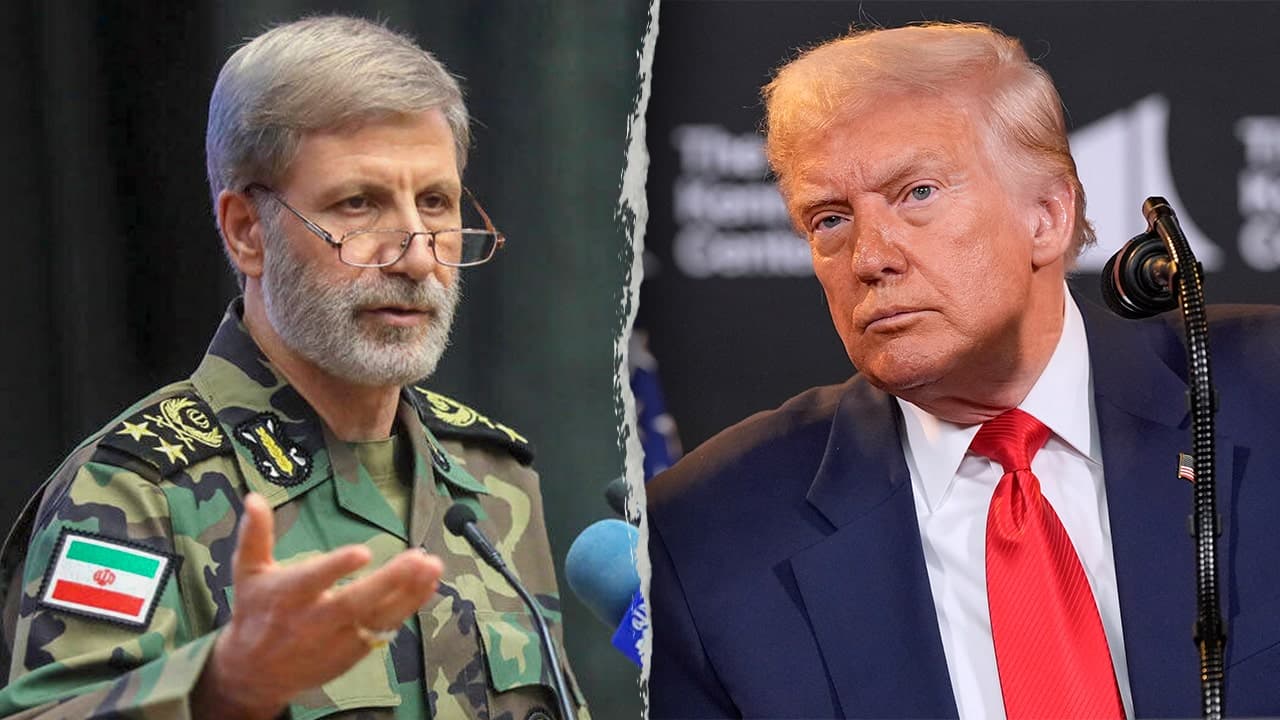
Chairman of the Joint Chiefs General Dan Caine reportedly told members of Congress that he opposes military strikes against Iran. President Trump called the report fake news. The exchange lasted roughly 48 hours in the news cycle before getting buried under the next development. That's where the story ends for most people. It's where it should begin for anyone serious about American grand strategy in the Middle East.
Whether or not Caine actually said what he reportedly said, the fact that the question is even in circulation tells you something important: there is a genuine disagreement within the American national security establishment about the wisdom of military action against Iran's nuclear program. That disagreement has been suppressed, papered over, and managed at every level for months. It didn't go away. It surfaced in a congressional briefing instead, arguably the worst possible venue for having the conversation that needs to happen.
Military officers disagreeing with civilian policymakers isn't a scandal. It's how the system is supposed to work. The scandal is when that disagreement gets suppressed entirely or leaked selectively to shape public debate. Both appear to be happening simultaneously in this case.
What the Generals Have Actually Been Saying
The substantive objection to military action against Iran's nuclear program isn't primarily about whether strikes could be executed successfully. American airpower can reach Iran's hardened facilities at Fordow and Natanz. The targeting packages exist. The objection is about what comes next. Striking those facilities doesn't eliminate Iranian nuclear capability, it sets the program back somewhere between two and five years, depending on which intelligence assessment you believe. During those years, Iran retaliates. Hezbollah activates. The Strait of Hormuz becomes a question mark. American bases in Qatar, Bahrain, and Kuwait absorb missile strikes. Oil markets destabilize at a moment when the American economy is already under significant tariff-related stress.
That's not a pacifist argument. It's an operational planning argument, and military officers are supposed to make it. The question for civilian leadership, for the president, the NSC, the secretary of defense, is whether the benefits of setting back the Iranian program outweigh those costs and risks. That's a legitimate policy judgment call. But it requires having the argument honestly, in front of the people who will be asked to execute the plan.
When the response to military skepticism is a press statement calling the reporting fake, the argument isn't being had. It's being foreclosed.
I've sat through enough foreign policy briefings to recognize the pattern. The uniformed military raises operational concerns. Civilian leadership indicates the concerns are noted. The concerns don't change the policy timeline. And then, when things get difficult, nobody can quite remember who said what in which meeting. The congressional leak, whatever its accuracy, is often how genuine dissent finds oxygen when internal channels fail.
When 'Fake News' Is and Isn't the Right Call
The 'fake news' designation has done real work over the past decade. In many cases it's been accurate, deliberately misleading stories from outlets with transparent political agendas have earned skepticism. But the designation has also been applied to accurate reporting that was politically inconvenient, and overuse has dulled its signal value considerably.
The distinction that matters here: fake news means the story is fabricated. Not that the administration disagrees with the reported position. Not that the general's objections are wrong on the merits. Not that the source was unfriendly. If Caine didn't say what he was reported to say, that has a clear resolution: have Caine say so publicly, clearly, and on the record. If the reporting was accurate and Caine did express reservations about military action, that isn't fake news, it's news the administration finds unwelcome, which is a fundamentally different category.
The distinction matters because American strategy toward Iran is at a critical juncture. Negotiations are either ongoing or stalled depending on which briefing you read. Israeli pressure for American military backing is real and documented. The window for diplomatic resolution of the nuclear question, if one exists, is narrow. Policy made under false certainty, with internal military objections suppressed rather than engaged, is policy built on an unstable foundation.
The Strategic Question Nobody's Answering
What does America actually want to accomplish with Iran? Not this week, not in response to the latest leak, over the next decade. That question has never been answered coherently by any administration in the 23 years since the Iraq invasion scrambled the regional order. The Obama administration answered it one way with the 2015 JCPOA. The first Trump administration walked out of the JCPOA and implemented maximum pressure. The Biden administration tried and failed to negotiate a return to a modified agreement. Now the second Trump administration holds maximum pressure while apparently debating military options on the side.
None of these approaches has produced a durable resolution. Iran has continued enriching uranium through all of them. The program is more advanced today than it was when the JCPOA was signed. Maximum economic pressure has squeezed the Iranian population without visibly altering the regime's nuclear calculus. Military action is a gamble with serious regional consequences attached to an uncertain outcome.
A general raising objections to that gamble in a congressional briefing is doing exactly what generals are supposed to do. The response to that objection should be a strategic argument, a case for why the risks are worth taking and what the plan is for managing the aftermath. Not a press statement calling the reporting fake. Whether or not the report was accurate, the question it raised is real. Someone in Washington needs to answer it seriously before the decision gets made.


