Another Spending Spree Dressed Up as Infrastructure
Congress has done it again. The latest so-called infrastructure package rolling out of Washington has all the markings of a classic bait and switch. Lawmakers slapped the word infrastructure on a spending bill the size of a small nation's GDP, then filled it with enough unrelated giveaways to make a Chicago ward boss blush. If you thought this was about fixing roads and bridges, think again. This bill is less about concrete and steel and more about consolidating power, rewarding political allies, and saddling working families with debt they will still be paying off when their grandchildren retire.
The title alone should raise suspicion. When politicians call something an infrastructure bill, what they usually mean is everything but infrastructure. This time is no exception. Buried beneath the press releases about modernizing America are line items for electric vehicle subsidies, climate resiliency grants, broadband expansion in places that already have service, and a laundry list of social programs that have absolutely nothing to do with filling potholes or replacing aging water mains. The bait is a crumbling bridge in your hometown. The switch is a billion-dollar slush fund for bureaucrats to decide which politically connected projects live or die.
Tucker Graves has seen this movie before. Washington does not have a revenue problem. Washington has a discipline problem. Every few years, lawmakers discover that some bridge needs repair, some highway needs widening, or some port needs dredging, and they use that genuine need as an excuse to pass a bill ten times larger than the problem requires. The rest becomes a grab bag for pet projects, green energy fantasies, and union payoffs. This bill continues that tradition in the most expensive way possible.
Defenders of the bill will insist that infrastructure means more than roads. They will point to broadband, water systems, and the power grid as legitimate targets for federal investment. Some of those arguments have merit. The problem is not that these projects are unworthy. The problem is that this bill bundles them together with ideological programs that have nothing to do with moving people, goods, water, or electrons. A true infrastructure bill would separate the two and let each stand on its own merits.
Where the Money Actually Goes
Let us look at the numbers, because the numbers tell the real story. The package clocks in at roughly $1.7 trillion in total spending. Of that amount, only about $110 billion is earmarked for roads, bridges, and other traditional transportation projects. That means roughly 6 percent of the bill goes toward the kind of work most Americans picture when they hear the word infrastructure. The remaining 94 percent is allocated to everything from charging stations to workforce development programs to equity initiatives that sound virtuous but lack any measurable standard for success.
Consider the $50 billion set aside for climate adaptation and resiliency. Some of that money will fund legitimate upgrades to power grids and stormwater systems. Much of it, however, will disappear into studies, consultants, and grants handed out based on political favor rather than engineering necessity. Another $39 billion is directed toward public transit systems, many of which were already struggling with ridership before the pandemic and have shown no signs of returning to relevance. Then there is $7.5 billion for electric vehicle charging networks, a technology that the free market is already developing without a federal mandate and without your tax dollars.
The bill also revives the concept of federally directed local planning, complete with strings attached designed to override zoning decisions in states and municipalities. If your town wants a share of the transportation funds, it may have to adopt density requirements, parking restrictions, and other land-use policies favored by urban planners who have never set foot in rural Texas. This is not infrastructure. This is social engineering funded by the federal gasoline tax, tolls, and borrowed money that future generations will have to repay.
What Texans Should Expect
Texas stands to receive some of this money, of course, and local officials are already lining up to praise the funding. Texans should not be fooled. Federal money is never free. It comes with rules, delays, environmental reviews that take years, and mandates that inflate costs beyond anything a private contractor would charge. By the time any of these dollars reach an actual construction site, a significant portion will have been eaten up by administrative overhead, compliance costs, and the inevitable cost overruns that follow every major federal project.
History provides a useful warning. The last major infrastructure initiative promised shovel-ready projects and immediate job creation. Instead, Americans got years of planning meetings, inflated budgets, and a handful of completed improvements that cost several times the original estimate. Studies of federal highway projects routinely find that initial cost projections underestimate final expenses by 30 percent or more. Apply that pattern to a $1.7 trillion bill and the final tab could easily approach $2.2 trillion, even if nothing else gets added along the way.
The better path is obvious, though Washington will never take it. Return highway funding decisions to the states. Let Texas keep more of the gasoline taxes Texans already pay and spend those dollars on Texas roads without first routing them through a federal bureaucracy that skims off the top. Reduce permitting timelines so that projects can be built in years rather than decades. Require that any project funded under the label infrastructure actually involve infrastructure, defined as roads, bridges, tunnels, ports, airports, water systems, and the power grid. Stop using infrastructure bills as cover for unrelated spending.
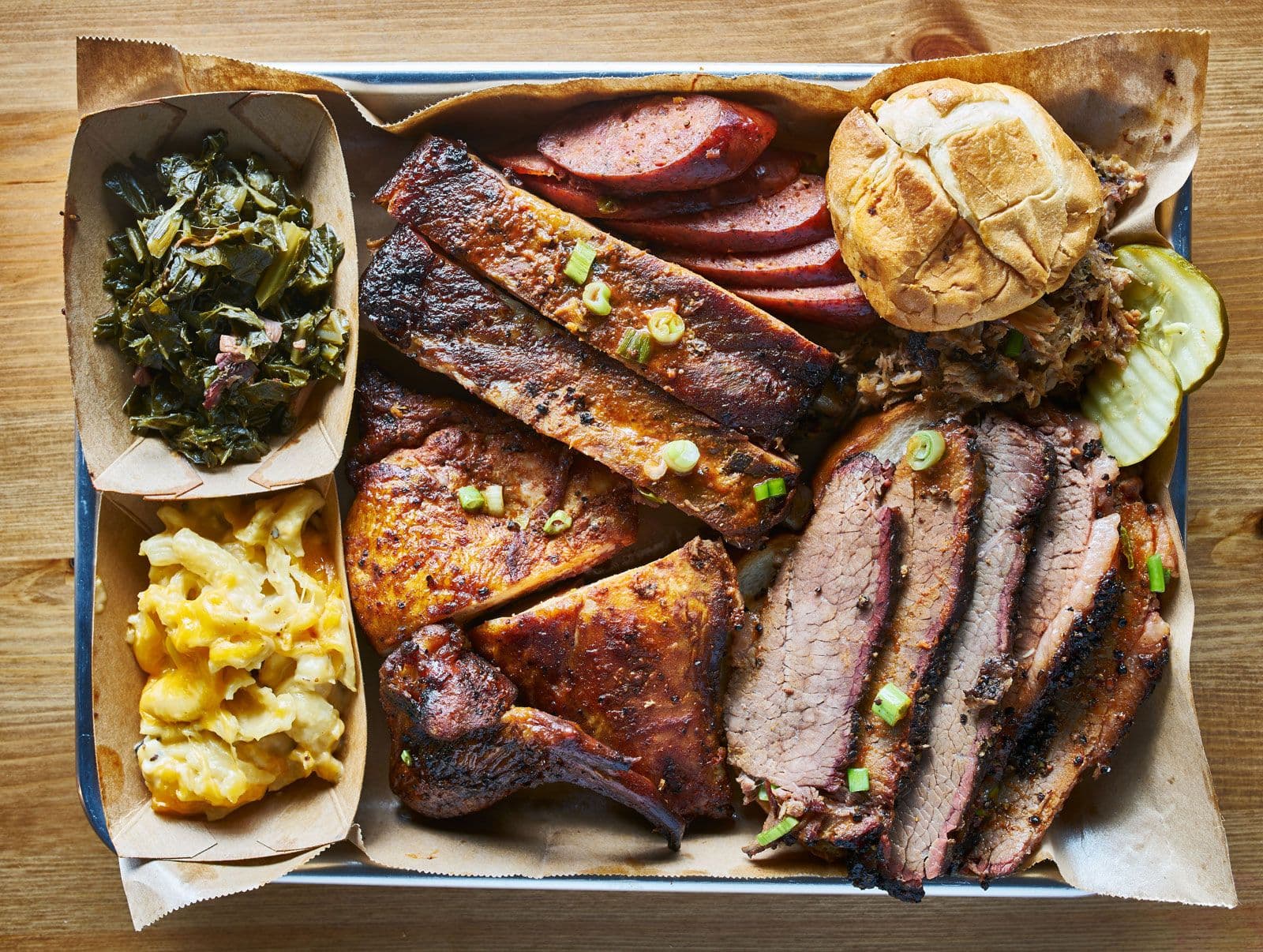
Washington's latest package has more pork than a Texas BBQ pit. The smoke and mirrors cannot hide the fact that this is another massive transfer of wealth from working families to politically connected interests. Texans deserve better than crumbs labeled as progress. They deserve honest accounting, real priorities, and leaders who understand that filling a pothole does not require a trillion-dollar ideological agenda.