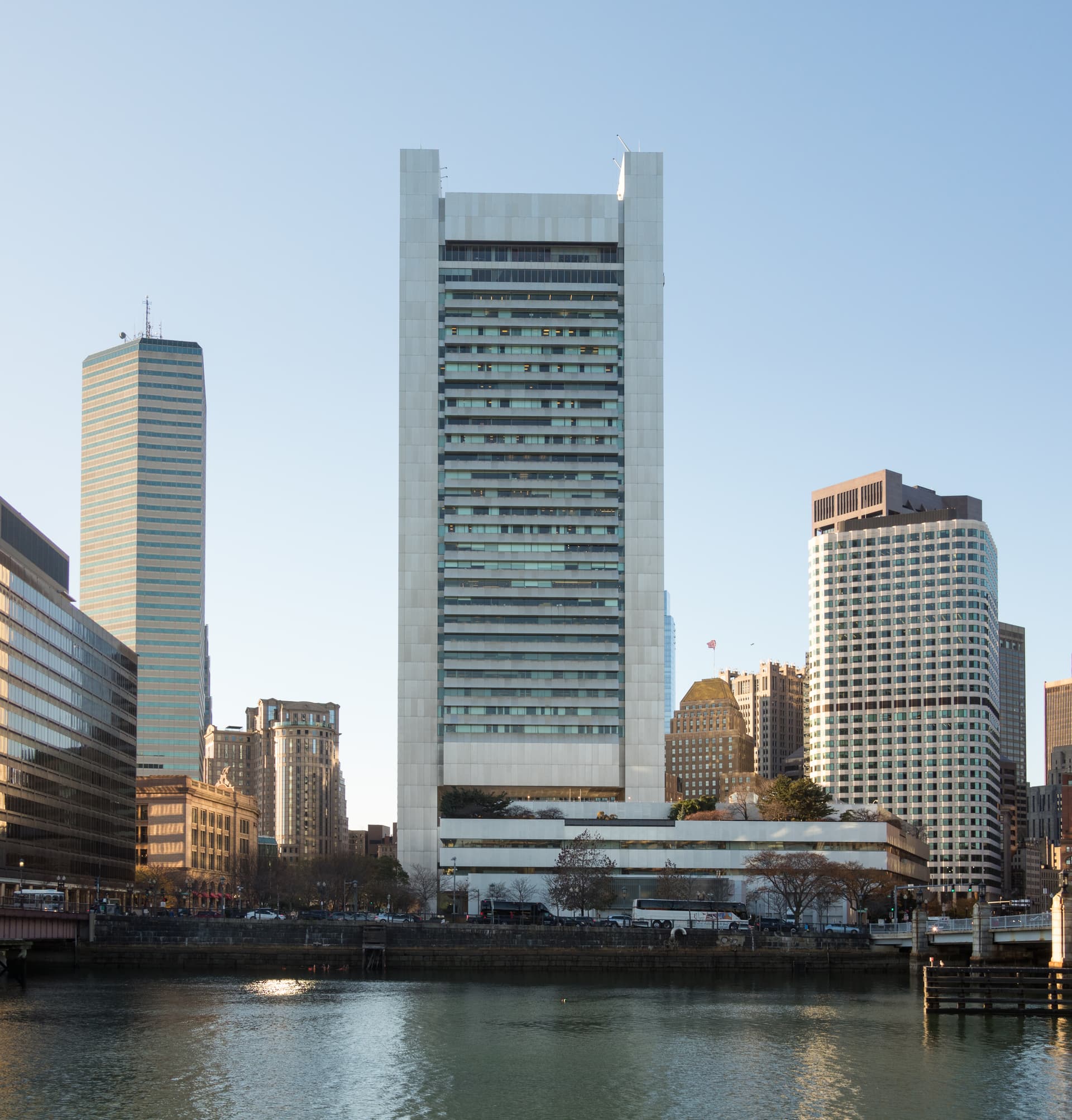
The Fed Is Caught Between Two Mandates
The Federal Reserve Act charges the central bank with stable prices and maximum employment, two goals that sound complementary until trade policy forces them apart. Those twin objectives now pull in opposite directions because tariffs raise consumer costs while slower growth threatens jobs and wages. Jerome Powell told Congress in February 2026 that the Fed would respond to incoming data rather than political commentary. That answer sounded measured. It also avoided the central question. The central bank cannot pursue both mandates at once when one requires tighter money and the other demands easier credit. Something has to give.
Headline consumer price inflation stood at 2.4 percent in May 2026 according to the Bureau of Labor Statistics. Core inflation, which strips out food and energy, ran at 2.8 percent. Both figures sit above the Fed's 2 percent target. The central bank's own Summary of Economic Projections in March 2026 showed the median federal funds rate holding at 4.25 to 4.50 percent through the year. Markets began pricing in rate cuts only after the White House floated additional tariff relief in late May.
That relief has limits. The administration's baseline tariff on most imports remains 10 percent, with higher rates on steel, automobiles, and goods from China. The Peterson Institute for International Economics estimated in April 2026 that these duties could add roughly half a percentage point to core inflation over the next twelve months. The Fed cannot wish that away. It must decide whether to accommodate higher prices or tighten credit into a slowing economy. Either choice carries political costs.
The Fed's dilemma is made worse by the uneven way inflation lands on households. Energy and grocery bills hit before wage gains arrive. Lower-income families spend a larger share of income on trade-exposed goods like clothing and electronics. A policy that looks moderate in the aggregate can feel crushing at the kitchen table.
Political Pressure Is Not New
Central bankers have faced political pressure since the Federal Reserve Act became law in 1913, and every modern president has tried to influence interest rates at some point. Presidents from Franklin Roosevelt to Richard Nixon to Donald Trump have complained publicly about the cost of credit and the pace of tightening. The difference today is the speed and volume of the criticism. Social media turns every speech into a referendum before markets open the next morning. A single post can move billions in asset prices.
The Federal Reserve's design depends on a credible commitment to long-term price stability. If politicians believe the Fed will bend, they behave worse. They spend more. They borrow more. They impose tariffs or wage controls and expect the central bank to absorb the shock. Economists at the Bank for International Settlements warned in a 2025 report that repeated political interference correlates with higher and more volatile inflation over time. The evidence spans decades and continents.
Defenders of Fed independence often point to Germany's Bundesbank or the European Central Bank as models. Both institutions endured public criticism without collapsing. The Bundesbank held firm through German reunification in 1990. The ECB raised rates in 2022 despite political blowback from Italy and France. American institutions can survive pressure if the people inside them show spine. The question is whether they will.
Critics of independence argue that unelected technocrats should not override the will of voters. That argument confuses means with ends. Congress sets the Fed's goals. The Fed's job is to hit them without taking orders from any particular administration. If voters dislike the goals, they can elect lawmakers who change them. Short-circuiting that process makes accountability weaker, not stronger.
The alternative is not some golden age of perfect monetary policy. Mistakes will happen. The point is that mistakes made under political pressure tend to favor short-term relief over long-term stability. That bias has a name. It is called inflation.
What Sound Money Would Require
The Fed should stop pretending it can remain neutral while fiscal and trade policy shift beneath it, because those shifts determine the price level the bank is supposed to control. Neutrality in monetary policy does not mean silence about the conditions that shape prices. It means setting rates to hit the inflation target and explaining the trade-offs in plain language. Transparency is not partisanship. Clarity is not a concession to either party.
A useful first step would be a clear statement that the Fed will not cut rates simply to offset tariff-driven price increases. Such cuts would embed inflation expectations in household behavior. The University of Michigan's survey of consumer sentiment in May 2026 showed one-year inflation expectations rising to 4.2 percent, the highest reading since late 2023. If households and businesses expect prices to keep climbing, they adjust wages and contracts accordingly. Inflation then becomes self-fulfilling.
The second step is harder. Congress must stop asking the Fed to do everything. The central bank cannot fix supply chains, balance the budget, or rewrite trade deals. It can provide a stable nominal anchor. That requires a lean mandate, regular audits of operational decisions, and a chairman willing to say no to the White House. The dollar's reserve status depends on it. So does the retirement security of ordinary Americans.
Markets are already watching. The yield on the 10-year Treasury note climbed above 4.6 percent in early June 2026, reflecting concern that the Fed might let inflation run hot. Bondholders do not forgive easily. Neither should voters. A Fed that loses credibility takes years, sometimes decades, to earn it back. The cost is paid in higher mortgage rates, weaker investment, and a thinner standard of living.