The Numbers the Pressers Use, And the Numbers the Agents See
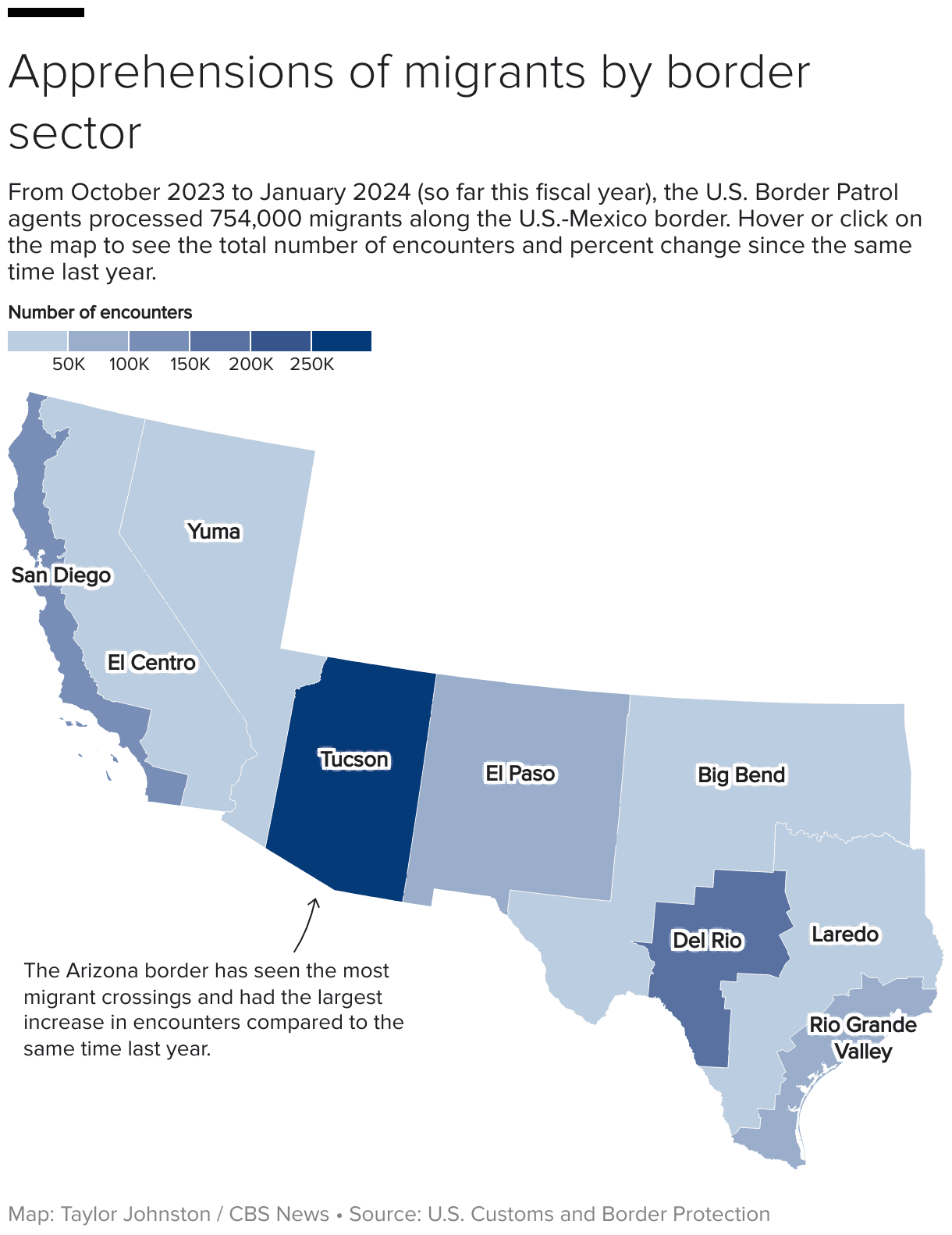
Border Patrol's official apprehension number for the Tucson Sector dropped about 38 percent in the first four months of 2026 compared to the same period last year. That number is the one the press secretary reads off a card. It is true. It is also incomplete in a way that matters. Volume at the line is not the same as activity in the desert. The cartel network has been running a different play this year, and the people who read the daily intel summaries from the Forward Operating Bases know it.
I stood on that line. Eighteen years in the Tucson Sector taught me how to read the indicators that do not make the press release. Foot sign pattern. Scout density on the high ground. The kind of contraband the trail crews are recovering. The geography the line agents are getting redirected away from on shift change. When the numbers on the briefing slide go down but the indicators in the field go up, you do not have a quieter border. You have a smarter cartel.
What Changed In The Cartel Approach
The shift happened across about three months. The cartels reduced the volume of low-value transits, the ones that get easily intercepted at the line and produce the apprehension stats. They increased the volume of high-value transits, which are the ones that involve real product, real money, and the kind of route planning that uses scout cells on the ridgelines for sixty miles of approach. You can run that play in two ways. You can run it through the open desert with overland teams, or you can run it through prepared crossings with vehicle support. Both are happening. The latter is happening more.
The Tohono O'odham Nation, whose tribal lands run along about 62 miles of the international boundary, has been carrying a disproportionate share of this shift. The tribal police force is small. The federal support for tribal border interdiction has been inconsistent for two administrations. The cartels know all of that. They route accordingly.
The Drone Question
One indicator nobody is briefing in public is the cartel drone activity. Customs and Border Protection has been tracking unmanned aerial systems crossing the border in numbers that have grown for four straight quarters. The drones are doing reconnaissance, communications relay, and limited product delivery. The product delivery is small in absolute terms but large in margin terms because what comes across that way is the fentanyl precursor inventory that the cartels do not want to risk on a vehicle interdiction. Internal CBP reporting flagged a 47 percent increase in undetected drone crossings since December. That number is not in the press shop. It is in the intelligence shop.
Counter-drone capability at the line is uneven. Some Forward Operating Bases have it. Most do not. The Border Patrol's official line is that the tools are being deployed. The agents at the FOBs have a different view about how fast the deployment is happening and how much of the deployed capacity is actually in working condition on any given shift.
The Asylum Pipeline Side
The asylum side has shifted in parallel. The CBP One application, the asylum scheduling tool the Biden administration introduced and the Trump administration discontinued, left an institutional residue. Migrants who learned the procedural rhythm during the CBP One window have adjusted to the new procedural reality, and they have adjusted faster than the agency has adjusted its processing capacity. The result is a population that has learned to time its presentations to overwhelm specific ports of entry on specific days. The agents at those ports of entry know which days are coming because the cartels coordinate the timing.
I will say this plainly. The asylum system was not designed to be run by adversaries who study its rhythms. The current system is being studied. The studying is producing operational adaptations on the cartel side that the agency has not caught up with on the response side.
What The Press Release Will Not Say
The Department of Homeland Security press shop is going to keep telling you the apprehension numbers are down and the border is more secure. The apprehension numbers are down. The border is not more secure. The border is operating under a more sophisticated adversary, against an agency whose surge response is calibrated for last year's playbook.
The agents on the line know the difference. The intelligence officers at the sector level know the difference. The career leadership knows the difference. Whether the political leadership at headquarters knows the difference is a question I do not know the answer to. I know the agents who try to brief them are not always confident that the message is landing.
What I Would Do If I Still Had The Uniform
I would fund the FOBs. Real money, real surge capacity, real counter-drone deployment. I would put the resources on the tribal land sections of the line where the federal support has been inadequate for years. I would put real prosecution capacity behind the cases where we have cartel scout activity on U.S. soil, because those prosecutions deter and the deterrence shows up six months later in the field intelligence.
I would stop using the apprehension number as the headline metric. The apprehension number measures the volume of low-quality transits the cartels are willing to lose. It does not measure the volume of high-quality transits the cartels are getting through. The border is not the press release. The border is the desert. The desert tells the truth.