The Mechanics of Manufactured Relief
The Treasury Department processed TSA paychecks last week and Washington exhaled. Crisis averted. Shutdown drama defused. Congressional leadership patted itself on the back for buying time, and the Sunday shows moved on to other outrages.
I've spent enough time watching federal budget negotiations to recognize this pattern on sight. The relief is real. The underlying problem is unchanged. What changed is that Congress no longer faces an immediate political cost for its dysfunction, which means the dysfunction continues.
TSA workers get paid through a quirk of federal accounting — their compensation structure allows the Treasury to process checks during a partial shutdown in ways that other agencies' employees cannot benefit from. That's not a policy solution. That's a lucky loophole that happened to reduce political pressure at a convenient moment.
The Senate needed that pressure. The House needed it. Without it, both chambers were approaching a moment where the voters who use airports — which is to say, the voters who vote — were about to feel the consequences of legislative inaction in a very personal and tangible way. Delayed flights. Understaffed checkpoints. The kind of friction that turns abstract budget debates into kitchen table conversations.
What Pressure Actually Does
Here's the uncomfortable truth about government shutdowns: they only produce deals when the pain becomes politically unbearable. The history is consistent. The 1995-96 Gingrich-era shutdowns ended when polling cratered. The 2018-19 shutdown — the longest in American history at 35 days — ended only when air traffic controllers and TSA workers began calling in sick in sufficient numbers to slow LaGuardia Airport to a crawl. January 25, 2019. That's when the deal happened. Not because of high-minded principle. Because of LaGuardia.
Pain is the mechanism. Congress removed the pain without removing the problem. So the problem remains, stripped of its urgency.
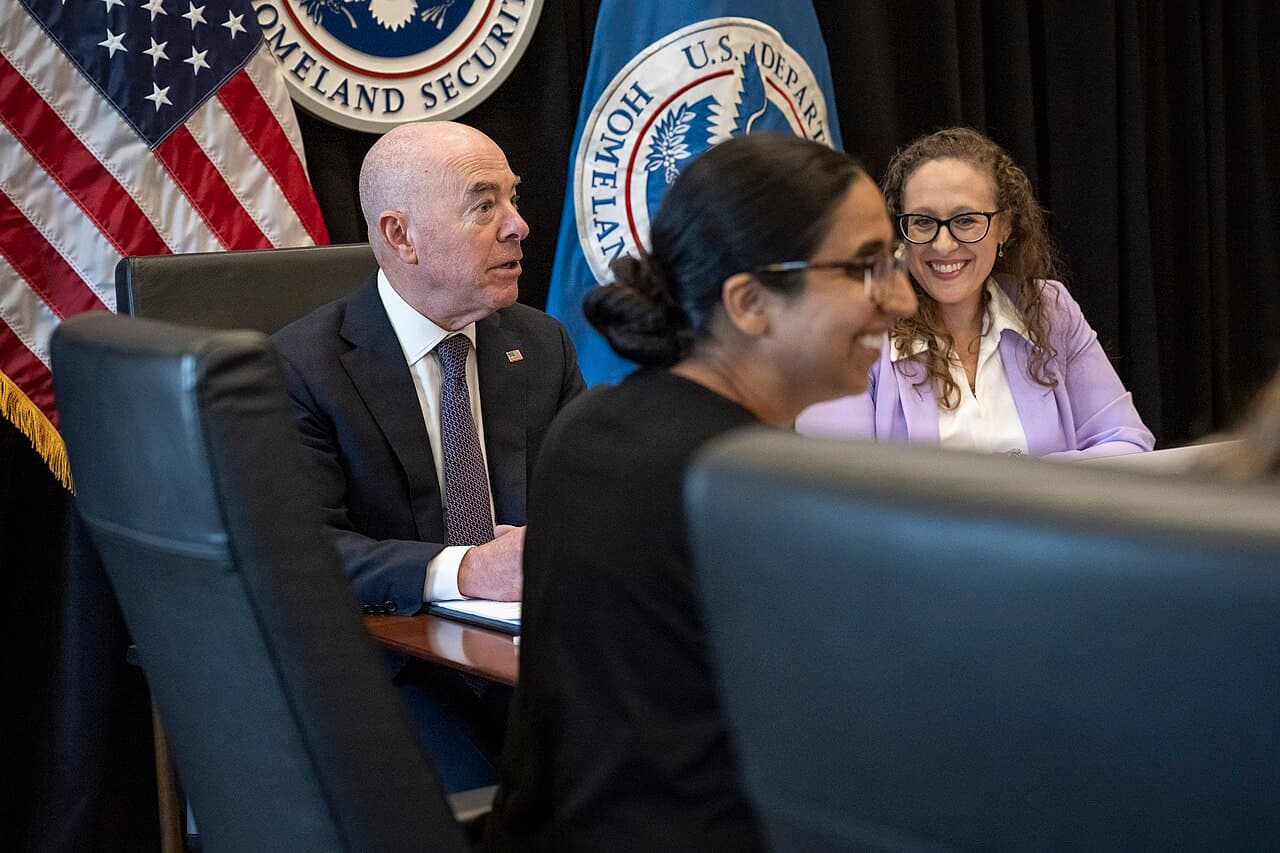
The DHS funding gap doesn't close because TSA workers got their checks. The Homeland Security Department still faces potential shutdown. Customs and Border Protection officers, immigration enforcement agents, Coast Guard personnel — their situations haven't changed. But those jobs don't produce airport delays that rich donors complain about at fundraisers. So Congress feels less urgency about them.
The Perverse Incentives of Piecemeal Governing
What we're watching is the logical endpoint of decades of continuing resolutions, omnibus packages, and deadline-driven governance. Congress has trained itself to govern by crisis. Not by design — no one sat down and decided this was optimal — but through the accumulated effect of thousands of individual decisions that each made short-term sense.
Every time a mechanism exists to reduce immediate pressure without requiring actual resolution, Congress uses it. Debt ceiling suspensions. Emergency supplemental appropriations. Continuing resolutions that freeze spending at the previous year's levels rather than require new votes. Each one is defensible in isolation. Collectively, they've produced a legislative branch that has effectively outsourced its budgetary function to crisis management.
The federal government hasn't passed all twelve appropriations bills before the fiscal year deadline in a single year since 1997. Twenty-nine years. That's not a run of bad luck. That's a broken institution that has learned to survive without doing its primary job.
The Federal Reserve watches this with particular concern, though it won't say so publicly. Fiscal uncertainty at the legislative level creates real complications for monetary policy. When the central bank can't reliably model government spending trajectories because Congress can't commit to them, that's a macroeconomic problem masquerading as a political squabble.
Who Pays for This in the End
Federal workers pay. Not just in delayed paychecks during shutdowns, but in the chronic uncertainty that makes federal employment less attractive over time. The government has a hiring problem that the shutdown culture exacerbates. Talented people choose private sector work that doesn't come with the possibility of working without pay because Congress missed another deadline.
Taxpayers pay too, though the bill is diffuse and delayed. Shutdown costs — contractor penalties, rehiring costs, lost productivity, late fees on obligations the government couldn't pay on time — run into the billions. The Government Accountability Office has documented this repeatedly. Congress reads the reports and continues the behavior.
And the public pays in the erosion of institutional trust that comes from watching the legislative branch treat basic governance functions as acceptable casualties in permanent political warfare.
The TSA paychecks bought Congress time. What Congress does with that time will tell us whether the institution has any remaining capacity for self-correction. Based on twenty-nine years of evidence, I wouldn't bet on it.