A Senate Leader Staring at the Hardest Call in American Politics
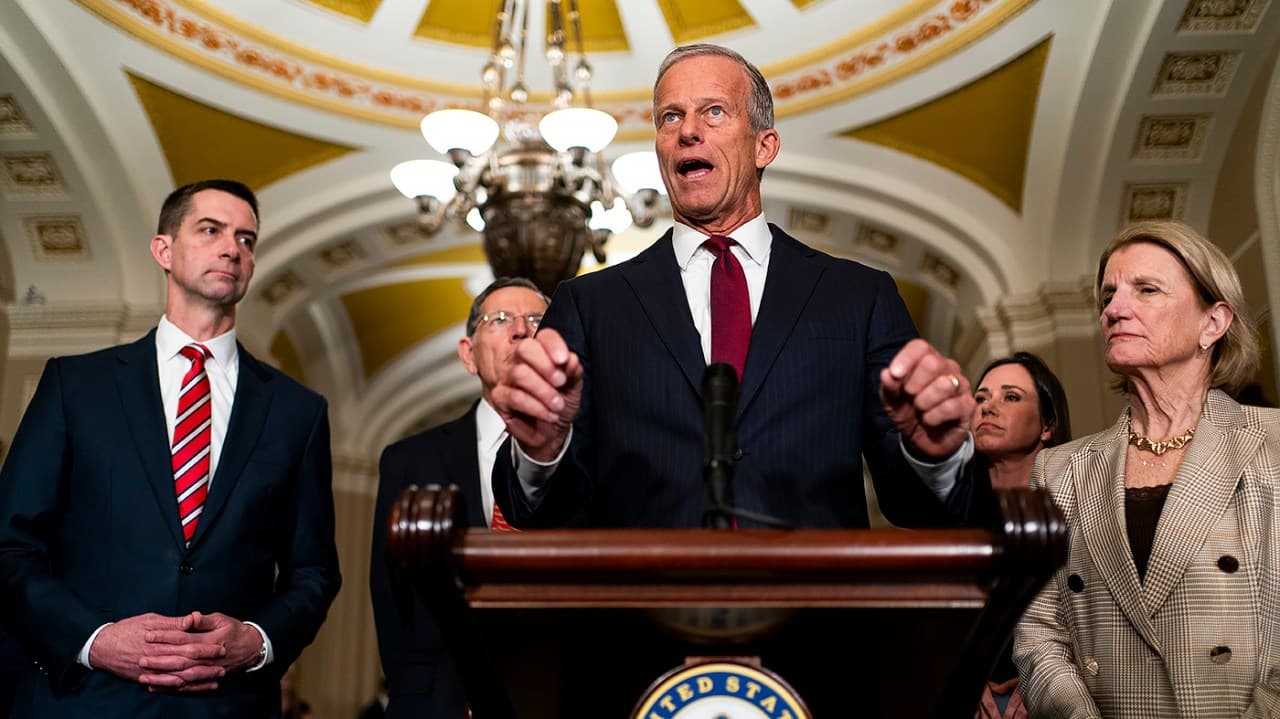
John Thune is not a stupid man. He's a careful one, which in the United States Senate is sometimes the same thing and sometimes the opposite. Right now, with Trump publicly leaning on him to move the voting bill through whatever procedural mechanism necessary, including the "talking filibuster" modification that Thune has expressed misgivings about, careful looks a lot like stuck.
The voting bill at issue would require documentary proof of citizenship for federal voter registration, a requirement that supporters argue is obvious common sense and opponents argue is a voter suppression mechanism dressed in constitutional language. Both sides have been making their respective cases for months. The Senate math is the actual variable: the bill cannot pass with 60 votes, which means either Democrats peel off to support it, not happening, or Republicans find a way to move it with 51.
Enter the talking filibuster. Under the current rules, any senator can block a bill by threatening to hold the floor, the filibuster is essentially a procedural declaration, not an actual endurance test. The talking filibuster modification would require senators to actually hold the floor, continuously speaking, to maintain the block. It's the Mr. Smith Goes to Washington version: grueling, physically demanding, ultimately time-limited. It's also a significant modification to Senate procedure that Thune, an institutionalist, is reluctant to implement.
What the Filibuster Actually Protects
The filibuster's defenders in both parties make a version of the same argument: it forces consensus, prevents legislative whiplash, and protects minority interests against majority steamrolling. When Democrats held the Senate majority, they loved it. When Republicans hold it, they rediscover its virtues. The hypocrisy runs in both directions and everyone in the building knows it.
The substantive case for the filibuster, not the political one, but the principled one, rests on the idea that major policy changes affecting all Americans should require supermajority consensus. The country is roughly divided. Legislation that passes on party-line votes can be repealed on party-line votes two years later. Instability doesn't serve anyone.
That's a real argument. I've made it myself when Democrats were in the majority and pushing legislation I opposed. I'll extend the same courtesy now: eliminating or significantly modifying the filibuster is a decision that the party making it will eventually regret, because the majority changes.
But here's where I break from pure proceduralism: election integrity legislation is different. The rules governing who votes in federal elections affect every other legislative outcome. If those rules are wrong, if non-citizens are voting in material numbers, if the registration system lacks basic verification, then the downstream consequences contaminate every democratic decision the country makes. You can't fix legislation that resulted from a corrupted election by passing better legislation through the same corrupted process.
What Trump Is Actually Asking For
Trump's pressure on Thune isn't about the talking filibuster as a procedural matter. It's about the voting bill as a substantive priority. Trump believes, and his base is absolutely convinced, that loose voter registration rules cost Republicans elections and that the party's Senate majority exists partly to fix that. Thune is being asked to use the majority he has to accomplish the priority that majority was elected to accomplish.
That's not an unreasonable ask. It's actually the straightforward description of representative government: you win elections, you pass your agenda. The filibuster complicates that, by design.
I've covered this building for long enough to know that Senate Majority Leaders who decline to use the tools available to them usually have a reason that sounds principled in the moment and looks like timidity in retrospect. Thune's misgivings about the talking filibuster deserve a hearing. His hesitation about modifying Senate procedure permanently is legitimate. But if the choice is between preserving a procedural rule that Senate Democrats have already modified twice in the last fifteen years, once for executive nominees, once for judicial nominees, and passing legislation that the Republican majority was elected to pass, the answer should be clear.
Thune can protect the filibuster. Or he can pass the voting bill. Choose.