This Isn't Normal Political Theater
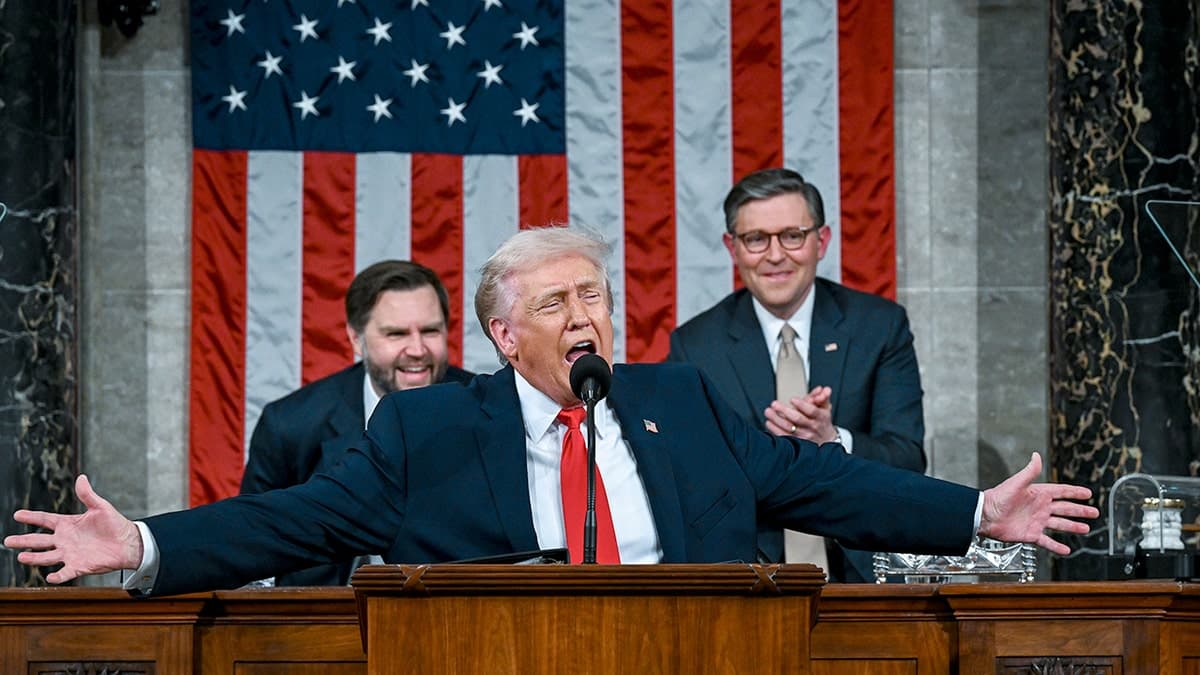
I've sat through more State of the Union addresses than I want to count, going back to Reagan when I was a kid watching on a grainy TV in my parents' living room in Beaufort, South Carolina. Most of them blur together. Promises made from a podium, half-forgotten by March.
This one felt different. Not because Trump is a different kind of politician, we know that, but because the agenda he's executing is the kind that actually reaches down into people's daily lives. Iran. Data centers. The economy. These aren't campaign slogans. They're governing choices with real stakes, and he talked about them the way a commander talks about an operation rather than the way a politician talks about a platform.
That matters. Especially on Iran.
Iran Is the Test That Defines Everything
The Iranian nuclear question is the one that will define American security policy for the next generation. Not Ukraine. Not China's posturing in the Taiwan Strait. Iran. Because an Iran with nuclear weapons is a different world, one where every American ally in the Middle East has to make a separate accommodation with the threat, and where the regional balance that the Abraham Accords were beginning to build collapses under the weight of nuclear coercion.
Trump's posture on Iran in the State of the Union was unambiguous in a way that the Biden administration never managed. Maximum pressure doesn't mean chest-thumping, it means sanctions enforcement that actually bites, diplomatic isolation that's actually isolated, and a credible military threat that requires the Iranians to do math before they dismiss it. The JCPOA era ended with Iran enriching uranium to 84% purity, one technical step from weapons-grade. That's the inheritance of five years of "strategic patience."
I did two deployments in the Gulf, and let me be blunt: the Iranian Revolutionary Guard Corps does not respond to careful diplomatic language. They respond to capability and will. When they see neither, they probe. The mining of tankers in the Strait of Hormuz in 2019, the drone strikes on Saudi Aramco facilities, the proxy attacks on American bases in Iraq and Syria, these all happened under administrations that thought deterrence was something you could maintain with words.
The Economic Argument That Connects Everything
The domestic economic picture the president painted, manufacturing investment up, energy production at record levels, unemployment near historic lows, isn't separate from the foreign policy argument. It's the foundation of it.
American strategic credibility runs on economic strength. The data center investment push Trump outlined is directly related to maintaining the computational infrastructure that powers American intelligence, American military logistics, and American financial systems. Energy independence is what keeps Iranian threats to Hormuz from being existential for American consumers. An unemployment rate below 4.5% is what gives a president the political latitude to maintain sanctions that the corporate lobbying class always wants to soften.
These pieces connect. A State of the Union that treats them as connected, that presents an integrated vision of American strength rather than a catalog of domestic spending priorities, is the right kind of address for this moment. The Democrats sat through most of it with expressions calibrated for the cameras. Their caucus has no comparable vision. They know how to oppose. They've forgotten how to govern. Trump just spent an hour reminding the country what governing looks like when someone is actually trying to win.