What stopped the surge?
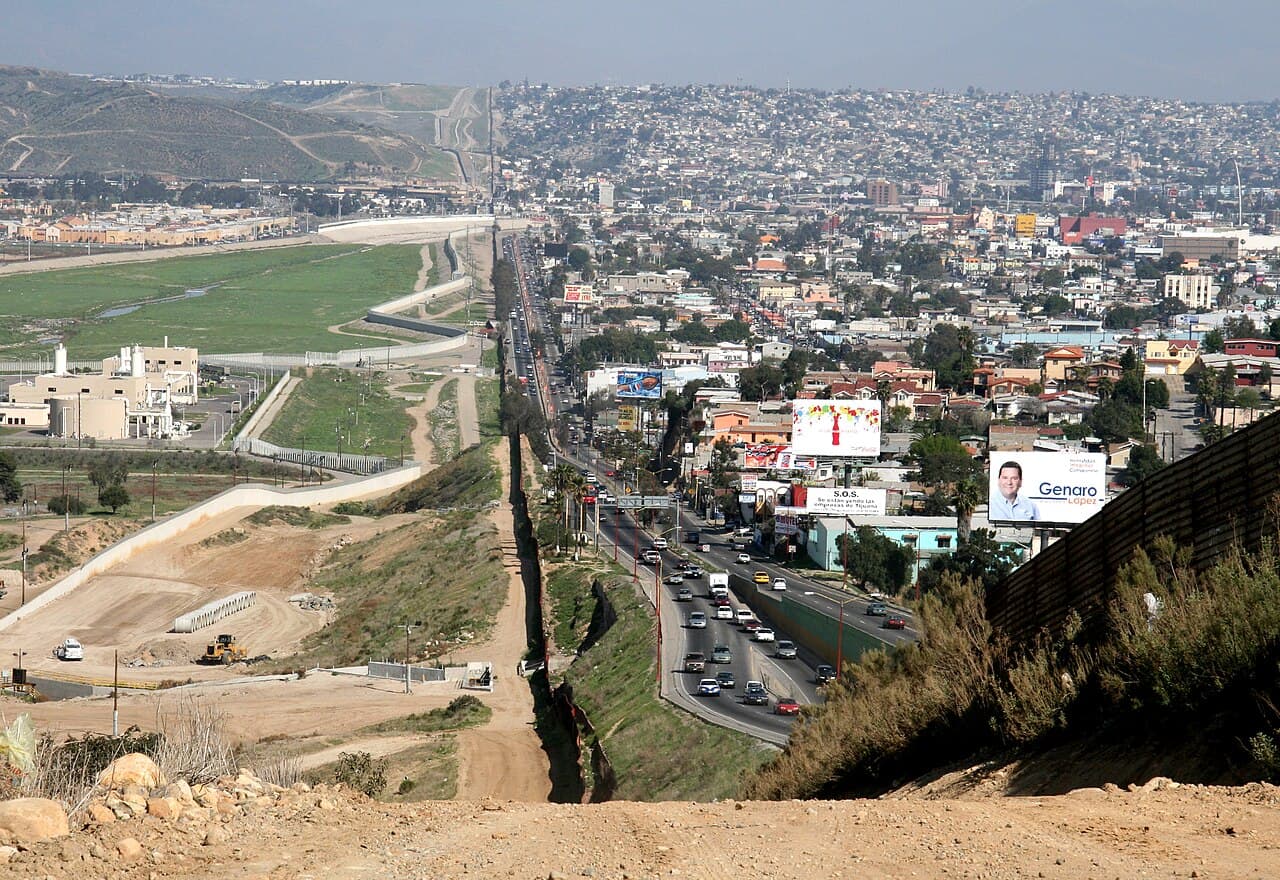
The surge did not fade on its own. It receded because the administration ended catch and release, restored the Remain in Mexico policy, directed Immigration and Customs Enforcement to detain rather than parole, and broadcast that illegal entry would bring swift consequences. Customs and Border Protection reported roughly 8,200 southwest border apprehensions in April 2026, down from a monthly peak of more than 225,000 in December 2023. The message traveled faster than any caravan. Cross without papers, and you will be held, deported, or returned to a third safe country. That clarity was missing for three years, and illegal entrants exploited the confusion. The American public never bought the fairy tale that enforcement is cruel. Polls from Gallup and Pew have consistently shown majority support for stronger border security, even among voters who disagree on other issues. The public knew what the experts denied. Order at the border is a precondition for every other domestic policy. Without it, schools, hospitals, and labor markets absorb costs that elites never feel.
Democrats who once called the border secure now change the subject. They point to seasonal fluctuations, distant root causes, or funding disputes in Congress. None of that explains the drop. The explanation is simpler. Policy changed, behavior changed, and the numbers followed. In the Rio Grande Valley sector, agents encountered roughly 1,100 illegal crossers in May 2026, compared with 68,000 in the same month two years earlier. That is not a blip. It is a reversal produced by deterrence. Detention capacity expanded. Deportation flights increased. The Department of Homeland Security reinstated agreements with Guatemala, Honduras, and El Salvador to accept returns. Each step carried a cost, but the cost of chaos was higher.
Why are sanctuary cities still a problem?
Sanctuary policies in cities such as Chicago, New York, and Denver continue to obstruct federal enforcement. Local officials refuse detainers, release criminal aliens into communities, demand federal money to cover the costs of decisions they alone made, and then claim that enforcement itself is the real danger. In fiscal year 2025, ICE recorded more than 14,000 detainers declined by sanctuary jurisdictions, according to the agency's annual report. Each declined detainer is a choice to place a known lawbreaker back on the street. The results are predictable. In Houston, a man released despite an immigration detainer was later charged with assault. In Seattle, a similar release preceded a fatal crash. These are not tragedies of fate. They are policy failures produced by politicians who confuse compassion with impunity.
The fiscal burden is real, even if mayors pretend otherwise. New York City has spent more than $6 billion on migrant shelter and services since 2022, according to city budget documents. Chicago has closed public health clinics and reduced library hours while diverting hundreds of millions to emergency shelters. Denver canceled a police recruiting class to free up funds. None of these cities asked residents before adopting sanctuary declarations. None of them leveled with taxpayers about the long-term price. When federal immigration agents finally arrive, local leaders stage press conferences and sue. The performance is tiresome. The public sees through it.
The legal theory behind sanctuary status is flimsy. Local governments cannot block federal law enforcement, but they can refuse cooperation. That refusal has consequences. ICE officers must spend extra hours, sometimes days, locating individuals who were already in custody. Communities lose trust when dangerous offenders are released. And the message sent abroad is corrosive. Smugglers tell clients that some American cities will protect them from deportation. That advertisement costs lives.
What should come next?
Congress should fund more detention beds, complete physical barriers in high-traffic sectors, and strip federal law-enforcement grants from jurisdictions that refuse cooperation. The House Appropriations Committee has already marked $11.4 billion for ICE detention and removal operations in fiscal 2027, an increase of $1.8 billion over the prior year. That money should come with strings attached. Cities that ignore detainers should lose community policing grants. Employers who hire illegally should face real penalties, not warnings. And the asylum system needs a hard deadline: file within one year, prove your claim in six months, or go home. The public understands what many in Washington pretend not to see. A nation without a border is not a nation. It is a destination of convenience for whoever arrives first.
The administration should also end the abuse of humanitarian parole. In recent years, parole has been used to admit hundreds of thousands of people without congressional authorization. DHS data show that more than 530,000 Cubans, Haitians, Nicaraguans, and Venezuelans entered under CHNV parole before the program was scaled back. Many arrived without sponsors, medical checks, or background verification adequate for the volume. A parole system built for urgent individual cases became a shadow immigration program. Congress never voted for it. The courts have begun pushing back. The executive branch should finish the job.
Finally, the next border package must include a worker verification mandate. E-Verify works when it is required, not suggested. States that mandate its use see measurable drops in illegal hiring. A federal standard would protect American workers, raise wages at the bottom, and remove the magnet that draws so many here. The populist case for immigration enforcement has never been anti-immigrant. It is pro-worker, pro-community, and pro-rule of law. The border is a line on a map. It is also a promise. Keep it, and the country keeps its shape.