I Like Dan Crenshaw. I Think He's Gotten Lost.
Let me say that upfront because it matters. I'm not one of these people who decided Dan Crenshaw was the enemy the moment he criticized January 6th or caught heat online. The man lost an eye in Afghanistan. He served. That's real and it counts for something permanent.
But serving your country honorably doesn't mean your congressional record is beyond examination. And his record in the House has been, to put it plainly, a consistent disappointment to the people in Texas who sent him there expecting a fighter.
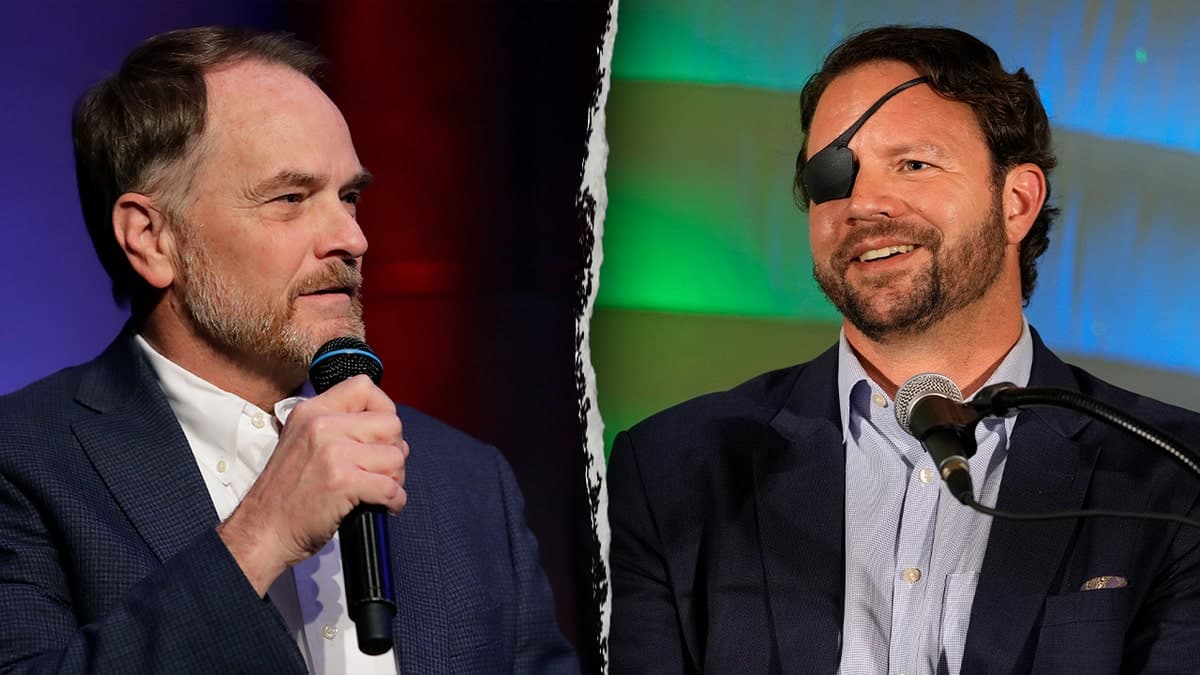
Ted Cruz endorsing Steve Toth in the primary against Crenshaw is not a small thing. Cruz doesn't throw his endorsement around for sport. He's calculated about it. And when he looks at the 2nd Congressional District of Texas and decides that the sitting Republican congressman needs to be replaced, he's read something in the district's temperature that Crenshaw's consultants have apparently missed.
The Problem Is the Pattern
What's the specific complaint against Crenshaw? His defenders will say the attacks are unfair, that he's being targeted for having a nuanced position on Ukraine, for not being performatively angry enough, for being too educated and too media-friendly for the current moment of the party. These are the defenses of a politician who has lost touch with his base and is looking for explanations that don't require self-examination.
Here's what I see from where I sit: a congressman who has voted in ways that his constituents didn't send him to Washington to vote. Who has positioned himself as a Republican willing to be reasonable, which in practical terms has meant being a Republican willing to give the other side wins they could not have achieved without him. Who has developed a media persona, the podcasts, the books, the general presence as a Serious Intellectual Conservative, that serves his brand considerably more than it serves his district.
The folks in the 2nd District of Texas are not asking for a sophisticated commentator on national security affairs. They're asking for a vote against the spending bills, the foreign commitments that don't serve American interests, and the Washington consensus that has been wrong about so many major questions over the past decade. They're asking for a fighter. And fighters don't always make the Green Room circuit.
What Primaries Are For
I have heard the argument, I'll hear it again after this piece posts, that primarying Republicans weakens the party, divides the caucus, hands wins to Democrats. This argument is correct in specific circumstances. It's also been used as a blanket protection racket for Republican incumbents who have no intention of being held accountable for their votes.
Primaries are the mechanism by which the base of a party enforces its actual preferences against the preferences of incumbents who have been in Washington long enough to develop more affinity for their colleagues than for their constituents. This is not a bug in the system. It's a feature.
When does a primary serve the party and when does it damage it? The answer depends on whether the incumbent has genuinely represented his district or whether he's represented himself. Steve Toth, the Cruz-backed challenger, is making the case that Crenshaw has represented himself. Cruz's endorsement suggests he finds that case credible.
And look, if Crenshaw has done the work and the voters in his district disagree with this assessment, he wins the primary. That's how it works. Nobody is taking away his ability to make his case. They're just requiring him to make it, in front of an electorate that's had a few years to watch his performance. That's accountability. The kind that's in short supply in Washington generally.
I'm praying for both men, genuinely. And I hope whichever one wins in March has learned something from this fight about who he's supposed to be serving and why.