The Anonymous Veto
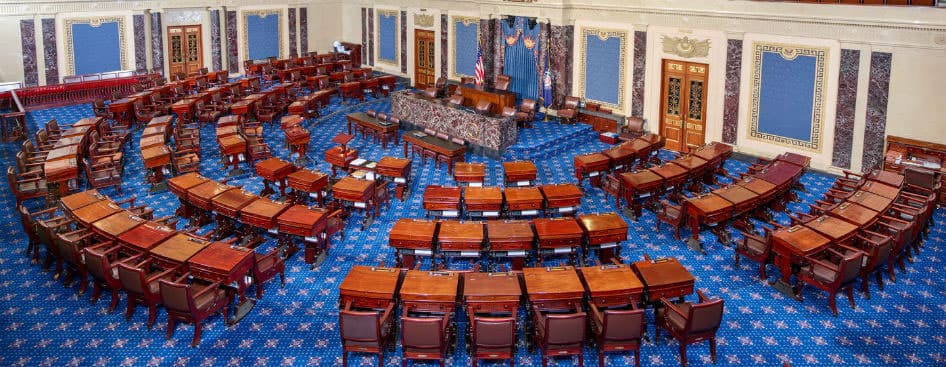
In the United States Senate, any individual senator can place a "hold" on pending legislation, nominations, or executive appointments. The hold is communicated to party leadership privately. The senator's identity is not disclosed publicly. And the effect is to prevent the Senate from proceeding to a vote.
This practice has no basis in the Constitution, Senate rules, or federal law. It exists as a custom — an informal agreement between senators and their party leaders that any individual member can block floor action on any matter for any reason, without explanation or public accountability.
Currently, there are estimated to be between 30 and 50 active holds on nominations across the federal government, affecting judicial appointments, ambassadorships, and executive branch positions that require Senate confirmation. Some of these holds have been in place for over a year.
How It Works
A senator contacts their party's leadership office and indicates they wish to place a hold. Leadership, seeking to maintain caucus unity, honors the hold by declining to schedule the held matter for floor action. The hold can be maintained indefinitely.
In theory, the Senate Majority Leader can override a hold by scheduling a vote regardless. In practice, this rarely happens because it would violate the informal norms that govern Senate operations — norms that every senator benefits from at some point.
The result is a system where 99 senators may be ready to confirm a nominee or pass a bill, and one senator — whose identity may not be publicly known — can prevent action.
The Democratic Deficit
The Senate was designed to be deliberative. It was not designed to be paralyzed. The hold system converts deliberation into obstruction by giving every senator an anonymous veto over the body's business.
This is particularly damaging for judicial nominations. Federal courts currently have over 80 vacancies. Many of these vacancies exist not because the Senate opposes the nominee, but because a single senator has placed a hold — often for reasons entirely unrelated to the nominee's qualifications. Holds are routinely used as leverage on unrelated policy disputes, creating a hostage system where government functions are held ransom for individual political objectives.
The Constitution is clear on this point: the Senate's role is to provide advice and consent — not to provide anonymous delay. The hold system transforms a constitutional responsibility into a political weapon wielded without accountability.
The Fix
Require public disclosure of all holds within 48 hours. Limit hold duration to 30 days. And require the holding senator to state — on the record — their objection to the held matter. Transparency is the minimum standard for democratic governance. Anonymous vetoes fail that standard.
The Founders gave us a republic. They did not give any individual senator the right to govern it from the shadows.