Numbers Don't Lie, But Politicians Do
Let's start with a number: $250 million. That's the floor estimate for the Feeding Our Future fraud scheme that federal prosecutors unraveled in Minnesota, a Medicaid-adjacent fraud operation in which a network of actors, many of them connected to the state's East African immigrant community, systematically looted federal child nutrition funds. The scheme ran for years. The state of Minnesota was warned. The warnings were, at best, inadequately acted upon.
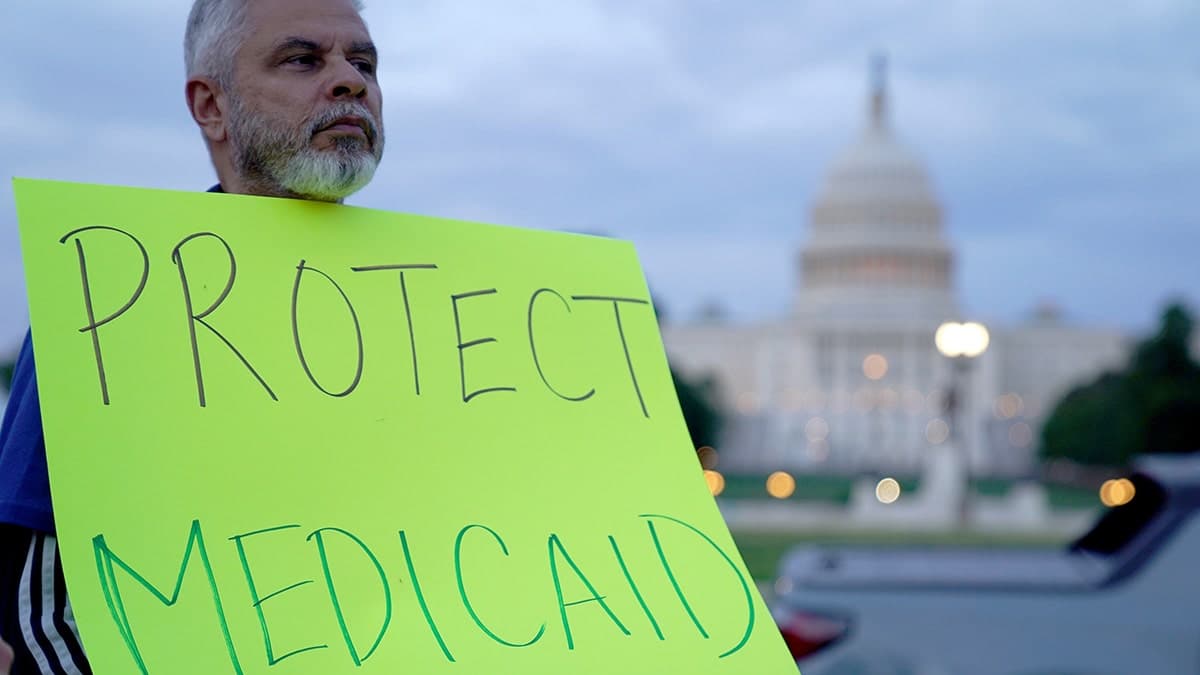
Now Vice President Vance and CMS Administrator Mehmet Oz have announced a pause in certain Medicaid disbursements to Minnesota pending a fraud investigation. The response from Minnesota Democrats has been predictable: outrage, accusations of political targeting, invocations of vulnerable populations who will be harmed. What's been notably absent is any serious engagement with the fraud itself.
That absence is telling. And as someone who has spent years studying how race and identity function as political shields in American policy debates, I find it particularly instructive here.
Identity as Immunization
The political dynamic in Minnesota has been, for the better part of a decade, one in which criticism of fraud in programs serving immigrant or minority communities gets coded as racism. This coding is deliberate. It has a specific function: to make accountability politically costly enough that officials with oversight responsibility choose inaction over scrutiny.
This is not a theoretical observation. The Feeding Our Future investigation documented, in federal court filings, the specific ways in which Aimee Bock and her network exploited Minnesota's administrative reluctance to scrutinize organizations serving immigrant communities. State officials who raised questions internally were, according to reporting by the Minneapolis Star Tribune, overruled or transferred. The fraud expanded. Eventually it became one of the largest COVID-relief fraud schemes in American history.
Now the federal government is applying oversight that the state failed to apply. And the response is to accuse the federal government of targeting vulnerable communities. This is the same rhetorical move that allowed the fraud to metastasize in the first place. Same argument, different stage.
I want to be precise here because precision matters in this kind of debate. The fraud in question was perpetrated by specific individuals who exploited specific programs. The victims of the fraud include the children who were supposed to benefit from those programs, the taxpayers who funded them, and the immigrant community members whose credibility gets tarred by association. Accountability for fraud is not an attack on a community. Refusing to pursue accountability because of a community's demographics is a form of condescension that Democrats have perfected into an art form.
What Medicaid Oversight Actually Requires
The Medicaid program, as structured, creates oversight challenges that are well-documented. It's jointly administered by states and the federal government. The administrative capacity at the state level varies enormously. And the program has grown, in Minnesota, Medicaid enrollment increased by roughly 40 percent between 2019 and 2023, a combination of pandemic-era expansion and demographic change.
Growth without proportional oversight capacity is an invitation to fraud. This is not a partisan observation; it's an administrative reality that GAO auditors have flagged repeatedly. The proper response to that reality is more rigorous oversight mechanisms, better data-matching systems, and the willingness to act on fraud signals regardless of who is committing the fraud.
The Vance-Oz pause is a blunt instrument. Pausing disbursements affects the entire Minnesota Medicaid system, including participants who have nothing to do with any fraud investigation. That's a real cost and a legitimate criticism. But the alternative, allowing disbursements to continue indefinitely while fraud investigations proceed at state pace, has its own track record in Minnesota, and it's not good.
What's required is what should have happened years earlier: state officials with both the political will and the institutional backing to pursue fraud signals wherever they lead, without regard for whether the pursuit is politically comfortable. Minnesota Democrats failed to provide that environment. Now they're complaining that someone else is stepping in.
The Accountability Gap
Here's what gets lost in the performance of outrage over the Medicaid pause: the people most harmed by Medicaid fraud are the people the program is supposed to serve. Every dollar that goes to a fraudulent provider is a dollar that doesn't go to genuine services. Every administrative breakdown that allows fraud to persist degrades the program's legitimacy and creates political ammunition for those who want to cut it entirely.
Genuine advocacy for Medicaid's beneficiaries requires rigorous defense of program integrity. The Democrats who are currently denouncing Vance and Oz were, until recently, presiding over a state Medicaid apparatus that allowed a quarter-billion-dollar fraud to run for years. That's the record. The outrage over federal oversight is, at bottom, an attempt to change the subject from that record.
It won't work. The federal indictments are public. The plea agreements are public. The scale of what happened in Minnesota is documented. And the political instinct to shield any community from accountability based on demographic characteristics, the same instinct that made Minnesota a target-rich environment for fraud in the first place, deserves to be named and challenged, not accommodated.