The Letter and What It Reveals
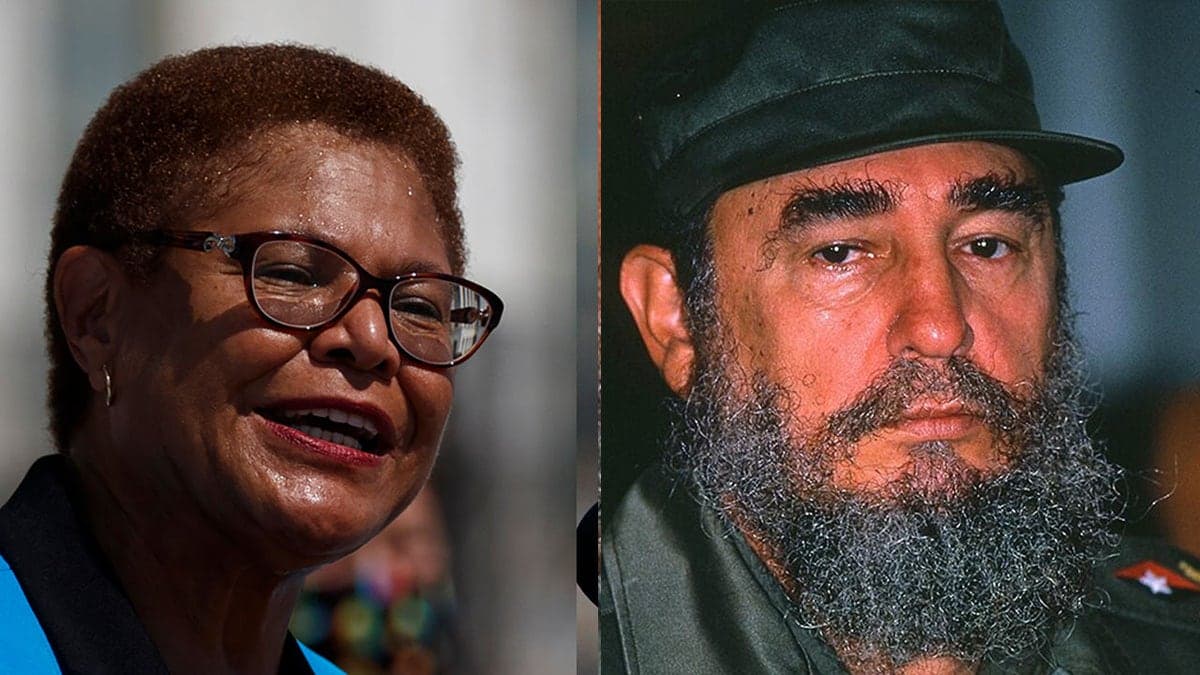
Massachusetts Democrats sent a letter to President Trump urging a reconsideration of Cuba policy in light of the humanitarian crisis on the island. Blackouts lasting twenty hours a day. Food shortages. A health system that has been collapsing in slow motion for years now finally failing visibly enough that even the regime's Western admirers can't spin it.
The letter argues, essentially, that American sanctions are contributing to Cuban suffering and that a more accommodating posture would help ordinary Cubans. This argument has been made continuously since the Castro revolution. It has been wrong continuously since the Castro revolution. The suffering in Cuba is not a product of American sanctions. It is a product of sixty-five years of communist central planning, political repression, and a governing class that has treated the island's population as a captive resource to be exploited for the regime's survival.
I was born to parents who left a country where the government decided everything. What you could buy. Where you could travel. Whether you could speak. The instinct of people who've never lived under that system is to look for complexity, to find economic explanations, to resist the simple and obvious conclusion that totalitarian systems produce poverty because they are designed to produce dependence, not prosperity. I find that instinct exhausting. And I find it particularly exhausting when it takes the form of letters to the White House asking America to go easier on a dictatorship.
The Sanctions Argument Doesn't Hold Up
Here's the specific problem with the Massachusetts Democrats' framing: Cuba trades with the rest of the world. Canada, Spain, China, Russia, the European Union, none of them are under any American pressure to limit economic engagement with Cuba. The Cuban government has access to international capital markets through entities that aren't subject to U.S. restrictions. It receives subsidized oil from Venezuela and Russia. It earns hard currency from its medical diplomacy program, in which Cuban doctors are essentially rented to foreign governments in arrangements that the Cuban workers themselves did not choose and from which they see very little of the payment.
If sanctions were the primary driver of Cuban poverty, you'd expect to see the economic situation correlated with the severity of sanctions over time. You don't. Cuba was economically dysfunctional before the tightest sanctions were in place, after the Soviet subsidies ended in 1991, and throughout the Obama-era opening that the Massachusetts Democrats presumably want to return to. The opening produced no political liberalization and no improvement in ordinary Cubans' material circumstances.
What you do see, consistently, is that resources the regime controls get directed toward regime survival, the military, the secret police, the tourist infrastructure that generates hard currency for the governing class, and away from the population. That's not a sanctions consequence. That's the operating logic of the system.
What Cubans in Cuba Are Actually Asking For
The July 11th protests of 2021, the largest in Cuba since the revolution, were not calls for American sanctions relief. Cubans in the streets of Havana and Santiago were chanting "libertad." Freedom. They were risking imprisonment, which many of them subsequently suffered, to demand political change. The regime's response was mass arrests and long prison sentences.
The Massachusetts Democrats' letter doesn't mention those prisoners. It doesn't mention the artists, journalists, and activists who have been imprisoned since 2021 for the crime of wanting what every American takes for granted. It focuses on the humanitarian crisis as though the humanitarian crisis is separable from the political system that produces it.
A Cuba policy that serves ordinary Cubans, not the regime, not the exile lobbies of either persuasion, not American corporate interests looking for access, would maintain pressure on the regime's hard currency sources while finding ways to support civil society, independent journalism, and the private economic activity that the regime grudgingly permits in limited form. It would condition any economic opening on measurable political reforms, not on the regime's promises of eventual reform.
That's not what the letter calls for. The letter calls for accommodation. Accommodation of a government that imprisons people for singing protest songs. No thanks. The Cubans dying in the dark deserve better advocates than the ones they're getting from Beacon Hill.