The Crisis Script Is Familiar
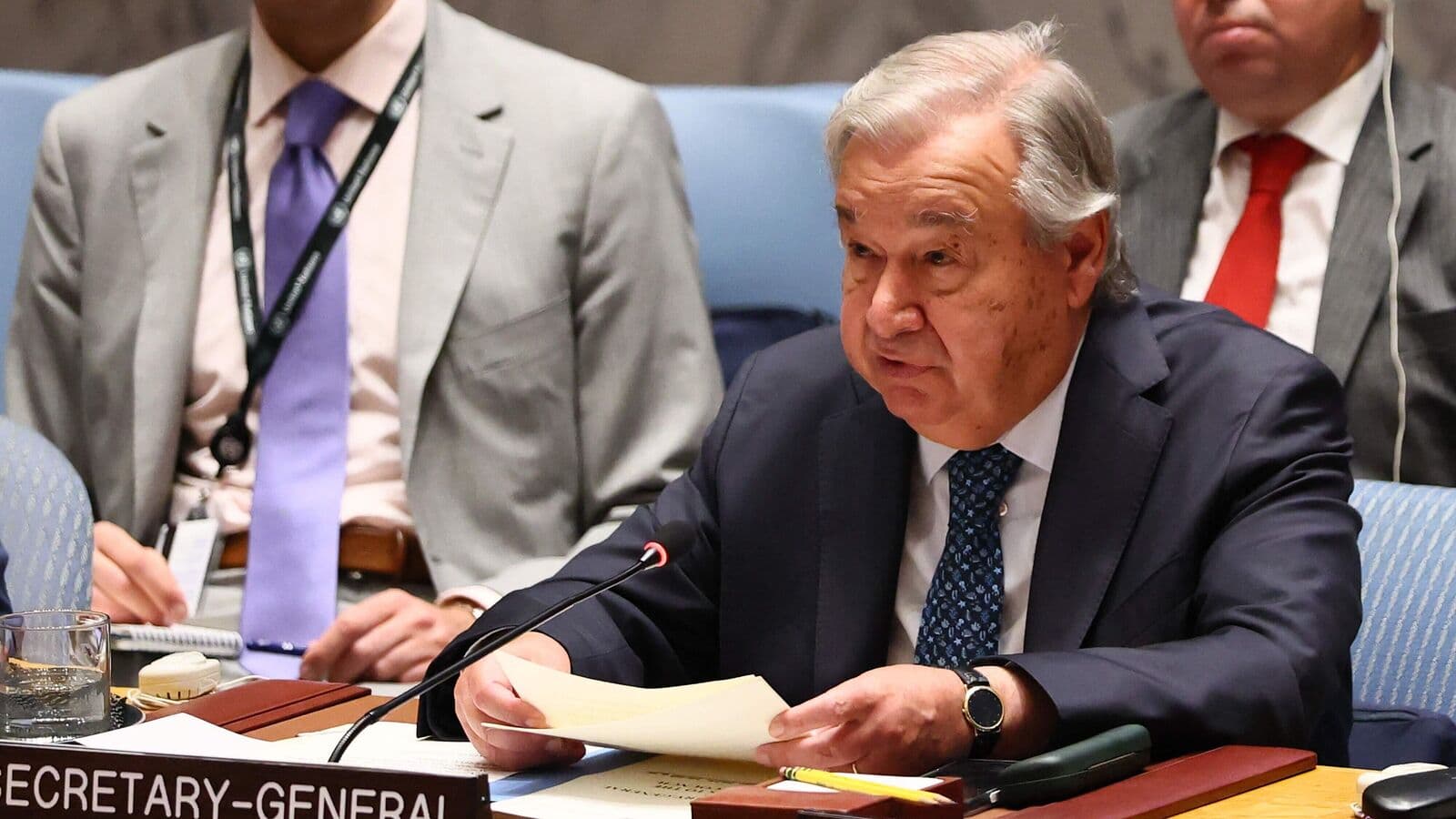
Whenever the United Nations convenes an emergency session, the script is the same. A secretary-general stands before delegates, brow furrowed, voice grave, and warns that the world is teetering on the edge of catastrophe. This time it was Antonio Guterres telling the General Assembly that a chain of events nobody can control is taking shape. It is a polished performance, designed less to inform than to pressure. The message beneath the message is always clear: the world needs more UN authority, more multilateral commitments, and, inevitably, more American money.
Guterres did not arrive at this rhetoric by accident. For years, the UN's leadership has treated every regional conflict, energy shock, and migration surge as proof that national sovereignty is obsolete and global governance is the only answer. The emergency session is the stage where that argument gets its biggest audience. But Americans have every right to ask a hard question before applauding: when has surrendering more decision-making to Geneva or New York ever made the United States safer, richer, or freer?
The phrase "chain of events nobody can control" is a rhetorical trap. It assumes the worst possible trajectory, then presents the UN as the only firebreak. It also quietly absolves nations of the duty to manage their own affairs. If no one can control events, then no one can be blamed for failure except those who refuse to hand over more power.
The answer, if we are honest, is almost never. The UN was sold to the post-war generation as a forum for dialogue and a brake on aggression. Decades later, it functions more like a permanent lobby for transnational elites who view American strength as a problem to be managed rather than a force to be welcomed. Guterres's warning of an uncontrollable chain of events is not a call for sober statecraft. It is a fundraising appeal dressed in the language of existential dread.
A Record of High Cost and Low Results
The United States is not a casual member of this club. We are its largest donor by a wide margin. The UN's regular budget for 2025 is set at $3.6 billion, and the United States is assessed 22 percent of that total. That is before the separate peacekeeping budget, which runs roughly $6.1 billion for 2024-2025, and before the billions more that flow through UN agencies, development programs, and climate bodies. In plain terms, American taxpayers are underwriting an institution that routinely works against American interests.
The returns on that investment are not impressive. The UN Human Rights Council, which the Biden administration rejoined with promises of reform, has spent years proving that membership is a shield for tyrants rather than a weapon against them. Since 2015, the council has adopted more resolutions condemning Israel than it has directed at all other nations combined. Democracies are lectured while dictatorships are accommodated. China, Cuba, and Venezuela sit in judgment of human rights, and Washington is expected to foot part of the bill.
Peacekeeping has fared no better. UN missions in Africa and the Middle East have cost untold billions, yet atrocities have continued under their watch. In the Democratic Republic of the Congo, MONUSCO has struggled for years to protect civilians despite a massive budget and thousands of troops. Reports of sexual exploitation and abuse by peacekeepers have become a recurring scandal, not an isolated failing. A body that cannot keep peace where it is already deployed has no standing to demand broader authority over global crises.
Guterres would no doubt reply that the failures are the fault of member states, not the Secretariat. That excuse might carry more weight if the UN did not also show a constant appetite for new mandates, new conferences, and new frameworks that expand its own power. The institution demands more jurisdiction while evading responsibility for the messes it already creates.
America First Means Saying No
The conservative response to this emergency session should not be panic. It should be a calm refusal to be manipulated. Guterres wants Washington and the American public to believe that only a stronger UN stands between us and chaos. The truth is closer to the opposite. The UN's multilateralism too often protects bad actors from consequences, slows decisive action, and turns every crisis into an endless process of paper-shuffling and finger-pointing.
America does not need a global permission slip to defend its interests. Our alliances, our military, our economy, and our energy production are the real stabilizers in a dangerous world. When we lead from strength, our enemies hesitate and our friends benefit. When we subordinate our judgment to a committee of 193 states, many of them hostile or indifferent to our values, we invite paralysis and exploitation.
The next administration and Congress should treat Guterres's warning as a reminder, not a summons. We should demand a full accounting of every dollar sent to UN agencies, condition future funding on concrete reforms, and reconsider membership in bodies that function as anti-American platforms. If the UN wants American support, it can start by respecting American sovereignty and stopping its endless campaign to treat the United States as an ATM with a seat at the table.
Antonio Guterres may believe the chain of events is beyond anyone's control. He is entitled to that opinion. What he is not entitled to is American compliance, American money, or American deference. The Alamo Post has long argued that liberty begins at home and that our Constitution, not a charter drafted in San Francisco, is the supreme law of our land. On that foundation, the answer to this latest UN alarm is simple: we hear you, and we decline.