The Fungus Fear Factory
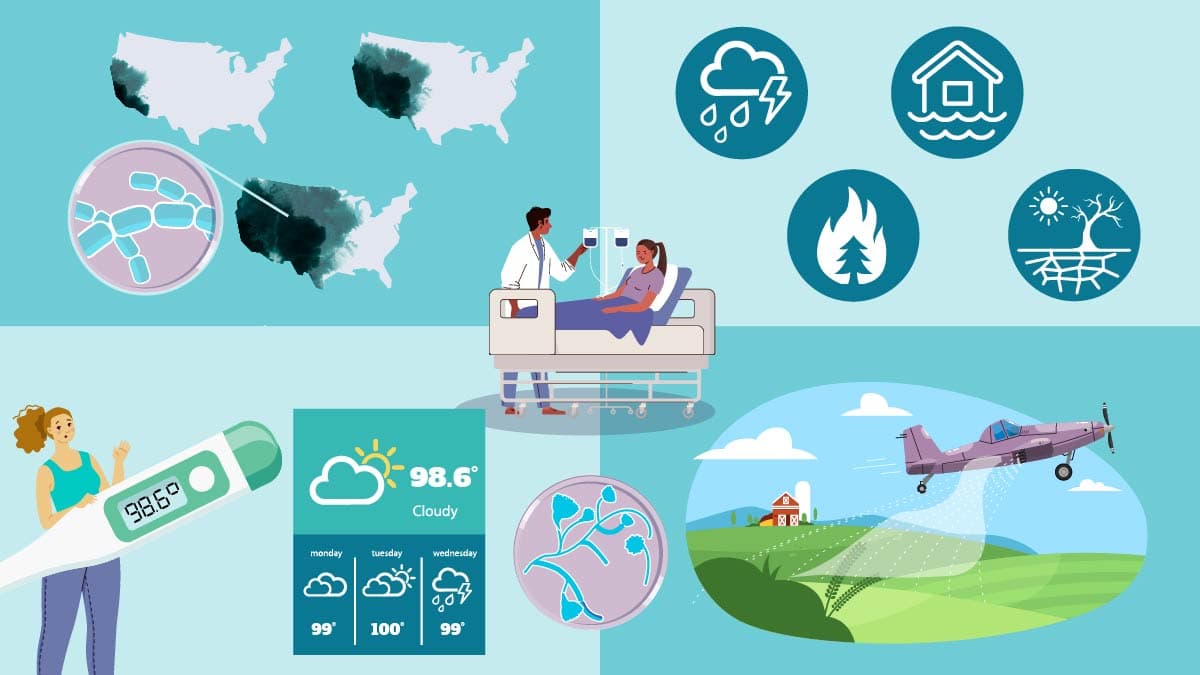
The messaging follows a familiar script. A peer-reviewed paper appears, a press release strips away its caveats, and within hours legacy outlets broadcast catastrophe. The latest target is fungi. Researchers warn that warming temperatures could expand the range of pathogens such as Coccidioides, the fungus behind Valley Fever, or drive new mutations in existing organisms. These claims arrive prepackaged with the usual demand: surrender more authority to public health agencies and accept permanent climate policy as the only remedy.
The scientific literature itself is far more cautious than the press releases suggest. Most fungal species are highly sensitive to temperature and humidity, and many pathogens are constrained by ecological factors far more complex than a simple warming trend. Turning a laboratory hypothesis into a national emergency requires a chain of assumptions, each one more speculative than the last.
Valley Fever is real, and its victims deserve honest research and effective treatment. The Centers for Disease Control and Prevention recorded approximately 20,000 cases nationwide in 2019, with the majority concentrated in Arizona and California. But case counts alone do not prove a climate apocalypse. They also reflect better diagnostics, larger populations in the Southwest, and improved reporting standards. Conflating those factors with planetary fever is the kind of sleight of hand that has become standard in climate advocacy. Fear moves faster than nuance, and the activists know it.
The selective amplification is telling. When a weather event can be linked to warming, it receives wall-to-wall coverage. When data undercuts the narrative, it vanishes. Americans deserve journalism that asks hard questions, not stenography for grant-funded scientists and activist public relations firms.
The Bureaucracy's Golden Opportunity
Every manufactured crisis is an opportunity for the administrative state. The Inflation Reduction Act channeled roughly $369 billion toward climate and energy programs, a sum larger than the entire gross domestic product of countries such as Denmark. That avalanche of money creates constituencies far more interested in preserving the flow of dollars than in solving environmental problems. Universities, nonprofits, and federal agencies compete to produce ever graver projections, because grim forecasts justify bigger budgets. The same law funds scores of offices, programs, and tax credits that will outlast any single administration. Once embedded, these institutions become nearly impossible to remove, no matter how ineffective or intrusive they prove.
The result is a self-reinforcing cycle. Taxpayers fund studies designed to produce alarming results. Those alarming results fuel media coverage. The coverage generates public anxiety, which politicians then cite as a mandate for still more spending and regulation. Rinse and repeat until the private economy finds itself micromanaged by Washington down to the kind of stove you can buy or the vehicle you are allowed to drive.
It is no coincidence that the fungus scare arrives at the same moment that earlier climate predictions have failed to materialize. Coastal cities were supposed to be underwater by now. Snow was supposed to be a relic of the past. Polar bear populations were supposed to collapse. Each deadline passed quietly, and the movement simply shifted to a new horror. The goal was never accuracy. The goal was continuity, a permanent state of emergency that keeps the public compliant and the grants flowing.
The Price of Permanent Panic
Alarmism carries a price tag that goes far beyond tax dollars. When policymakers treat speculative projections as settled science, they impose real costs on working families. Average residential electricity prices in the United States have climbed roughly 30 percent over the past decade, straining household budgets while companies chase renewable mandates and investors price regulatory risk into every kilowatt. In California, where climate mandates have been most aggressive, residents routinely pay electricity rates nearly double the national average. Those costs are not borne by the wealthy activists who design the policies. They are paid by families trying to keep the lights on. These increases hit the poorest Americans hardest, the very people climate activists claim to champion.
Farmers face similar pressures. The same movement now invoking fungal plagues has long pushed agricultural regulations that raise costs, restrict water access, and limit the use of tools that keep crops healthy. If a genuine fungal outbreak does threaten American agriculture, the last thing rural communities need is another layer of federal oversight from the same agencies that have spent years making their work more difficult.
Worse, panic corrodes trust in science itself. Polling from the Pew Research Center has found that public confidence in scientists to act in the public interest remains divided along political lines, a fracture worsened by repeated claims that do not match lived experience. When every seasonal inconvenience becomes evidence of existential doom, reasonable people stop listening. They do not become climate deniers. They become exhausted.
Proportion, Not Panic
The answer is not ignorance. It is proportion. Conservatives are not opposed to clean air, clean water, or medical preparedness. We are opposed to using fear to short-circuit debate and to concentrate power in agencies that have already shown more enthusiasm for control than competence. America should invest in robust public health surveillance, maintain strong agricultural research, and protect the environment through innovation rather than coercion. But we should reject the transformation of every headline into a pretext for centralized control.
A free society can handle genuine threats without surrendering its liberties. The fungus scare, like so many before it, is less a public health emergency than a political strategy. Americans should treat it accordingly. Trust but verify. Question the models. Follow the money. And refuse to let fear become the operating system of the republic.