Class I and What That Actually Means
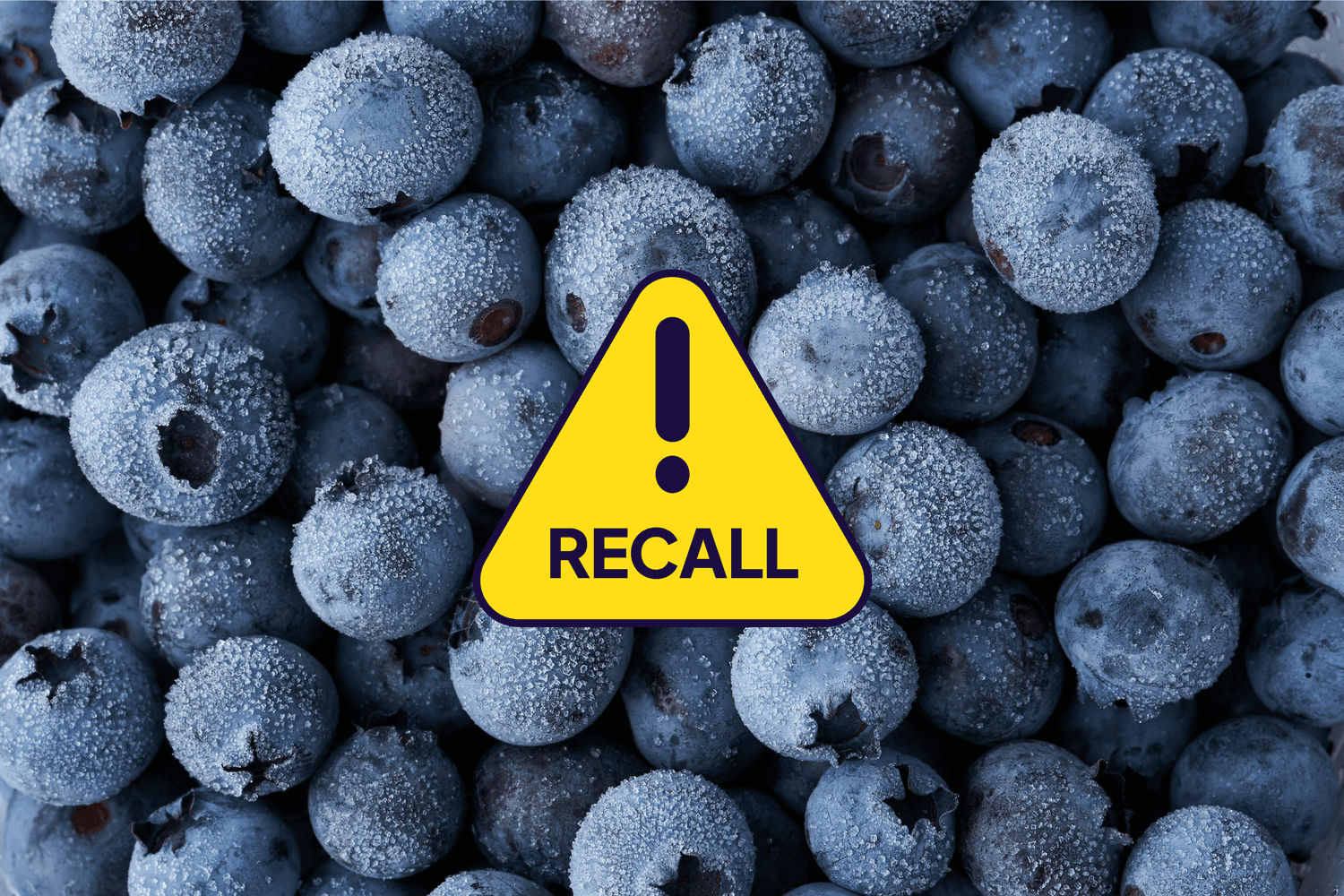
The FDA doesn't throw its highest risk classification around lightly. A Class I recall, the one now attached to a brand of frozen blueberries sold in several states, means the agency has determined there's a reasonable probability that consuming the product will cause serious adverse health consequences or death. Hepatitis A, which is the contamination concern in this case, kills people. It hospitalizes people. It can cause liver failure in individuals who are immunocompromised, elderly, or pregnant.
This is not a minor labeling issue. This is a failure somewhere in the food safety chain, in the sourcing, the processing, the inspection, or some combination, that got a potentially dangerous product onto grocery store shelves and into the freezers of families who assumed that a product cleared for sale in the United States of America was safe to eat.
That assumption is reasonable. It's also increasingly unreliable. And that gap between the assumption and the reality is a story about regulatory failure that gets told in press releases and forgotten, over and over again, without anyone seriously accounting for why it keeps happening.
Where the Blueberries Come From
The specific sourcing for the recalled blueberries is, at the time of this writing, part of the ongoing investigation. But frozen fruit in the American market comes overwhelmingly from overseas suppliers, Mexico, Chile, Peru, and increasingly from processing facilities in Southeast Asia. The FDA's Foreign Supplier Verification Program, which was strengthened under the Food Safety Modernization Act signed in 2011, requires importers to verify that their foreign suppliers meet U.S. food safety standards.
In practice, that verification is often paper-based. Importers submit documentation. The FDA reviews documentation. Actual physical inspection of foreign processing facilities happens at a rate that would make any auditor uncomfortable. In fiscal year 2023, the FDA conducted roughly 1,200 foreign food facility inspections, against a universe of tens of thousands of registered foreign facilities. The math does not inspire confidence.
I have family in the food processing business. Small scale, nothing like the commercial operations we're talking about here, but enough exposure to understand how inspection works and how it doesn't. The inspections that actually catch problems are the unannounced ones, the ones where an inspector shows up when the facility doesn't have time to clean up and present its best face. Those are rare. The announced inspections, scheduled in advance, giving facilities time to prepare, catch the problems that facilities let be visible. They miss what gets cleaned up before the inspector arrives.
The Market vs. The Bureaucracy
Here's where I'm going to say something that will surprise people who expect the standard conservative position on regulation: the issue with FDA food safety enforcement isn't that there's too much of it. It's that what exists is poorly designed, resource-starved in the wrong places, and captured by the industries it's supposed to oversee.
A genuinely market-oriented approach to food safety would rely more on liability and less on pre-approval bureaucracy. If a company sells you a product that hospitalizes you, it bears the full financial consequence, not a regulatory slap on the wrist, not a press release recall that protects the brand from full accountability, but litigation exposure sufficient to make food safety a bottom-line priority rather than a compliance checkbox.
The current system gives companies the worst of both worlds: the appearance of government certification without the liability exposure that would force genuine investment in safety. They get to say "FDA regulated" on the label, which gives consumers a false sense of security, while the actual inspection and enforcement is thin enough that a contaminated product can make it through the system with relative ease.
What families buying frozen blueberries at a grocery store deserve is actual safety, not the theater of regulation. They deserve either a system with the teeth to catch contamination before it reaches store shelves, or the kind of liability framework that makes companies treat food safety as existential rather than procedural. Right now they have neither. They have a Class I recall after the product is already in homes across several states. That's too late. It keeps being too late.