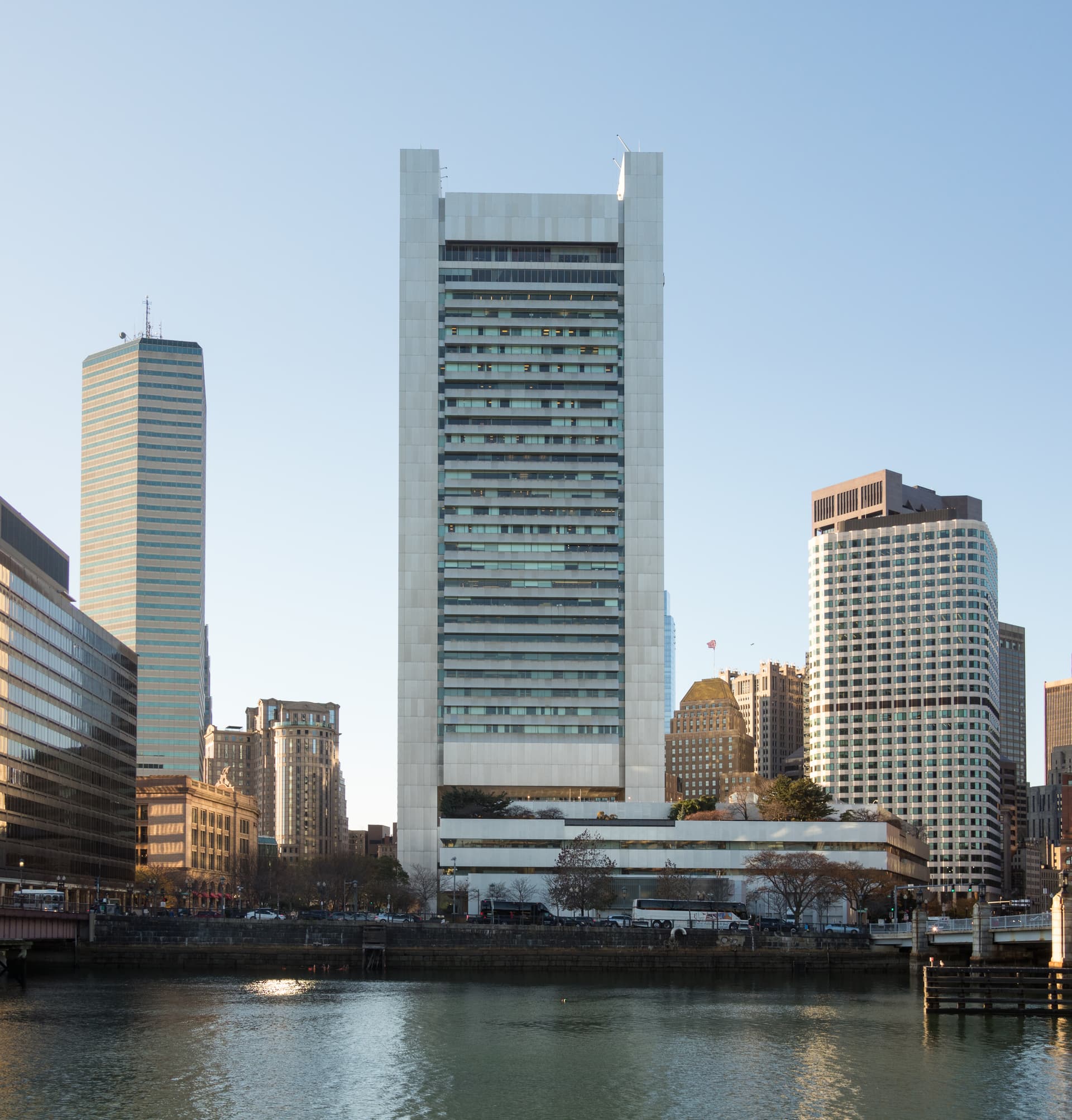
Emergency Policy Shift Planned for March 18 and 19 Meeting
The Federal Reserve will halt its balance sheet runoff by mid-March and signal that interest rates will remain unchanged through at least the June policy meeting, according to two Fed officials familiar with the guidance and a trader at a primary dealer who was briefed on the plans this week. The decision, which the Federal Open Market Committee is expected to ratify at its March 18 and 19 meeting, would end the Fed's quantitative tightening program roughly three months earlier than most Wall Street economists had projected.
The balance sheet stood at roughly $6.4 trillion as of the week ended January 28, down from a peak near $8.9 trillion in 2022. Under the plan described by the officials, the Fed would allow the monthly cap on Treasury rolloffs to drop to zero and would reinvest all maturing agency mortgage-backed securities into Treasury securities to avoid market disruptions. The officials, who spoke on condition of anonymity because the discussions remain confidential, said Chair Jerome Powell intended to telegraph the move during his semiannual testimony before Congress on February 24 and February 25.
A trader at a primary dealer said senior New York Fed staff had begun sounding out bond dealers about the mechanics of the transition during a closed-door session at the Federal Reserve Bank of New York on February 3. The trader said the discussion included technical questions about whether the Fed should taper the runoff gradually over six weeks or stop it abruptly at the March meeting. The trader added that dealers had been asked to model scenarios in which the Fed reinvests roughly $25 billion to $35 billion in maturing mortgage securities per month into short-term Treasury bills.
The planned pivot marks a sharp reversal from the posture the Fed adopted after its June 2024 decision to slow the pace of runoff by reducing the monthly Treasury redemption cap from $60 billion to $25 billion. The officials said the latest change reflects a reassessment of financial conditions after a volatile January in which the ten year Treasury yield climbed 47 basis points and equity markets posted their worst monthly decline since September 2024.
The officials said the Fed's internal projections now show the balance sheet stabilizing near $6.0 trillion by the end of 2026, a level that would leave the central bank holding roughly 22 percent of outstanding Treasury debt held by the public. That figure, while elevated by historical standards, is below the peak reached during the pandemic era asset purchase program.
Treasury Refunding and Bank Liquidity Concerns Drove Timing
The move comes as the Treasury Department prepares to announce an increase in quarterly refunding auctions for the week of February 9. Two Treasury officials said the department expected to boost the size of its three year, ten year, and thirty year auctions by a combined $20 billion over the prior quarter, partly to finance a widening federal deficit. The Fed's earlier runoff had drained reserves from the banking system, raising concerns among primary dealers that the refunding surge would collide with thinner bank demand for government debt.
An economist at a Wall Street firm who was briefed on the Fed's internal models said staff economists now believe the banking system's lowest comfortable level of reserves sits near $3.2 trillion, about $300 billion above current readings. The economist, who requested anonymity because the firm is bound by a Fed non-disclosure agreement, said the central bank wants to stop runoff before reserves approach that threshold. The economist added that the Fed's senior financial stability staff had circulated a memo on January 23 warning that continuing runoff into April could push the overnight reverse repurchase facility below $100 billion.
The Fed also faces pressure from foreign central banks that have been reducing their holdings of U.S. Treasuries. Data released by the Treasury Department on February 3 showed that China, Japan, and the United Kingdom reduced their combined holdings by $41 billion in December, the largest monthly outflow since August 2023. The officials said Powell raised the foreign selling during a January 27 videoconference with the Treasury Secretary and senior White House economic advisers.
Two congressional aides briefed on the Fed's draft testimony said Powell plans to tell lawmakers that the central bank is shifting from active balance sheet reduction to a maintenance posture while it assesses the impact of new fiscal measures. The aides said the draft testimony, circulated to senior committee staff on February 4, does not include a specific date for the runoff's end but does mention the coming meeting as the likely pivot point. One aide said the document refers to balance sheet policy as a separate track from interest rate policy, language that analysts interpret as a signal that rate cuts could resume even as the Fed holds its asset holdings steady.
Market Reaction and What to Watch
Bond futures rallied on the news. The yield on the ten year Treasury note fell 7 basis points to 4.31 percent in after-hours trading, while the two year yield slipped to 4.12 percent. Futures markets priced in a lower probability of a rate cut at the March 18 and 19 meeting but increased the odds of a cut in June. The S&P 500 futures contract added 0.6 percent, and the dollar index fell 0.3 percent against a basket of major currencies.
A second trader at a primary dealer said the Fed's decision to communicate the shift in advance represented an effort to avoid the kind of market turmoil that followed the 2019 balance sheet episode, when funding markets seized up after the central bank allowed reserves to fall too low. The trader said the Fed had learned that reserves can become scarce faster than models predict, particularly when foreign official selling accelerates and the Treasury is issuing debt at a record pace.
Watch for three developments over the next 48 to 72 hours: the Treasury Department's quarterly refunding announcement on February 9, public remarks by Fed Governor Christopher Waller on February 6, and the release of the Fed's twice yearly monetary policy report on February 7. If Waller confirms that the runoff is nearing its end, the major wire services are likely to match the central elements of this story by the weekend.