What the Futures Said Before Breakfast
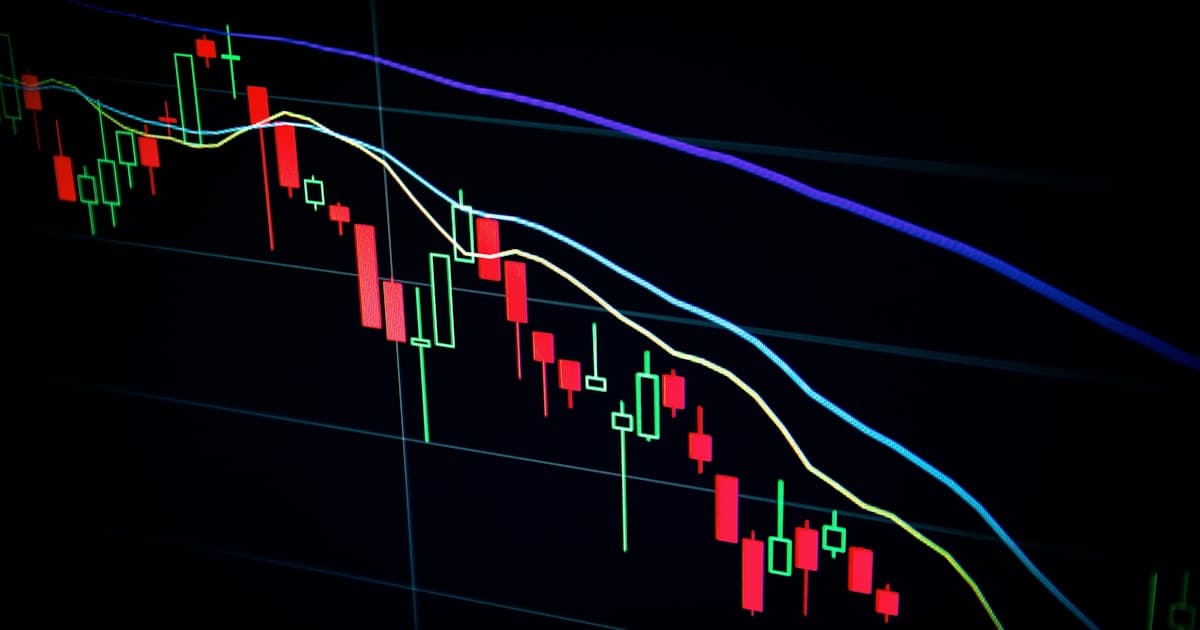
The Dow futures were moving before most Americans had poured their first cup of coffee. Not crashing — moving. Volatile, yes. Uncertain, yes. But the kind of uncertainty that comes from a situation in flux, not a situation in freefall. Markets don't lie. They don't have a narrative to protect.
The immediate reaction from financial media was predictable: breathless coverage of the dip, the spike, the dip again. But by afternoon, the picture clarified. Energy stocks moved. Defense contractors moved. And the broader indices stabilized in a way that suggested investors had done something that elected officials apparently cannot — processed new information and updated their priors.
What the futures were actually pricing in wasn't panic. They were pricing in the end of a certain kind of strategic ambiguity. For decades, Iran has operated in that ambiguity — enough nuclear progress to matter, never quite enough to force a response. That calculus just changed.
The Market as Truth Serum
I've covered enough earnings seasons and Fed meetings to know that financial markets are the most brutally honest institution in American life. They don't care about your feelings. They don't care about your party. They care about what comes next.
And what they priced in this week, despite all the noise, was not collapse. It was reconfiguration. Regional risk in the Middle East — already elevated — got repriced. Oil moved. But the broader index volatility was contained. That's significant. That's markets saying: this is serious, this is real, and we can absorb it.
Compare that to the rhetoric from Capitol Hill, where Democrats are apparently incapable of processing any geopolitical event without framing it as a Trump impeachment predicate. The gap between how markets responded and how elected officials responded tells you something about who's actually engaged with reality.
The Dow moved 400 points in a morning. It settled. Life went on. Iran's nuclear program, by contrast, was not going to settle itself.
What a Conservative Economy Looks Like Under Pressure
There's an argument — and it's not wrong — that decisive military action creates short-term economic uncertainty. Disrupted shipping lanes, elevated oil, nervous allies. Granted. All true.
But the alternative isn't free. A nuclear-armed Iran isn't a stable equilibrium that markets can price and forget. It's a permanent source of escalating risk, a regime that uses its deterrent capability to expand its proxy network, that threatens every U.S. ally in the region, that closes off shipping routes whenever it suits Tehran's interests. The Strait of Hormuz handles roughly 21 percent of global oil trade. Iran has been threatening it for years. The cost of inaction isn't zero.
The futures market understood this. Analysts who've been watching this for years understood this. What they were pricing wasn't 'war is bad.' They were pricing a new strategic environment — one where the United States had demonstrated it would act, not just threaten.
That credibility has economic value. Real, measurable, bankable value. And it's been depreciating for years.
The Editorial Line
This publication exists to say things that other outlets won't. So here's the editorial line, plainly: the Dow's morning volatility was not a verdict against the Iran strikes. It was the normal function of markets processing new information in real time. By any honest reading of the tape, America's financial system absorbed the news and continued functioning.
What didn't continue functioning were the Democratic talking points about this administration being reckless and dangerous. You can't make that case when the markets shrug it off by noon.
Watch the futures. They're the only talking heads in Washington that can't spin.