The New Directives
The Department of Homeland Security will direct Immigration and Customs Enforcement to apply expedited removal procedures nationwide, not just within the 100-mile border zone, beginning February 3, 2026, according to two USCIS officials familiar with the plan. The policy change, outlined in a memorandum signed by DHS Secretary Kristi Noem on January 22, 2026, will also require certain H-1B and L-1 visa holders to register biometric data with ICE within 30 days of any change in employment, the officials said. The memo represents the most significant expansion of interior immigration enforcement authority since the Trump administration's 2019 deployment of expedited removal across the southern border, according to a former ICE official who reviewed a summary of the document.
The memorandum cites 8 U.S.C. 1225(b)(1), which authorizes expedited removal for noncitizens who cannot prove they have been physically present in the United States for two years or more. The new directive interprets that authority broadly, allowing ICE officers to apply the procedure anywhere in the country when an individual is unable to produce documentation establishing two years of continuous presence, according to a congressional aide on the Judiciary Committee who was briefed on the document. The aide said the policy would apply to individuals encountered during workplace enforcement actions, traffic stops conducted in cooperation with local law enforcement, and home visits targeting visa overstays.
A senior DHS official confirmed that the department has requested $340 million in supplemental appropriations to fund the expansion, including hiring 1,200 additional ICE enforcement officers and deploying mobile biometric units to 42 cities. The funding request was transmitted to the Office of Management and Budget on January 20, 2026, the official said. The mobile units will be stationed initially in Houston, Chicago, Los Angeles, New York, Miami, and Seattle, with the remaining 36 cities to be identified by March 1, 2026, according to the two USCIS officials.
Scope and Implementation
The biometric registration requirement will initially apply to H-1B specialty occupation workers and L-1 intracompany transferees who received their visas on or after January 1, 2025, according to the two USCIS officials. Affected individuals must submit fingerprints, a photograph, and a current residential address to ICE through a new online portal that is scheduled to launch on February 3, 2026, at 9 a.m. Eastern Time, the officials said. Failure to register within 30 days of a job change, promotion, or relocation could result in the initiation of removal proceedings, according to a draft regulation reviewed by the officials. Biometric data collected through the portal will be retained for 15 years and shared with the FBI and state law enforcement agencies upon request, the officials said.
A trade lawyer involved in the case said the policy could affect an estimated 850,000 visa holders currently employed in technology, finance, healthcare, and manufacturing sectors. The lawyer, who represents several Fortune 500 companies that rely heavily on skilled foreign workers, said the 30-day window is far shorter than the 60-to-90-day reporting periods that employers currently observe under existing USCIS guidance. Several companies are already preparing legal challenges, the lawyer said. One technology company with more than 12,000 H-1B employees has retained outside counsel to seek a temporary restraining order if the policy takes effect, according to the lawyer.
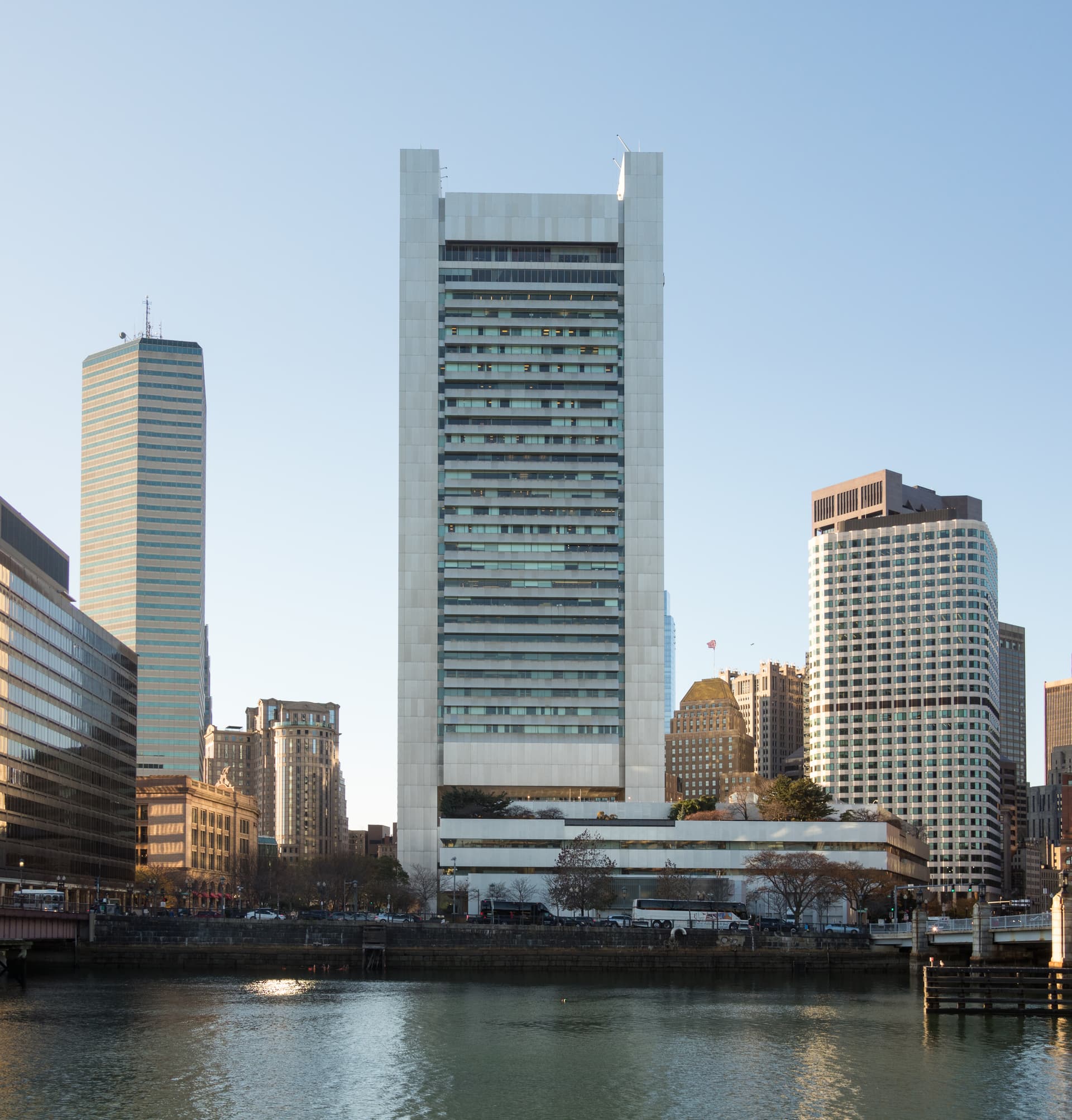
The expansion will be announced at a press conference scheduled for January 28, 2026, at the Ronald Reagan Building and International Trade Center in Washington, according to the congressional aide. Acting ICE Director Todd Lyons is expected to attend alongside officials from USCIS and Customs and Border Protection, the aide said. The administration plans to publish a fact sheet and proposed regulation text on the Federal Register by January 29, 2026, the aide said.
Legal and Political Pushback
Civil liberties organizations and business groups are preparing litigation to block the biometric registration requirement, arguing that it exceeds statutory authority and imposes a surveillance obligation on lawfully present workers, according to a trade lawyer involved in the case. A coalition that includes the U.S. Chamber of Commerce and several technology trade associations is expected to file a lawsuit in the U.S. District Court for the District of Columbia by January 30, 2026, the lawyer said. The lawsuit will argue that Congress has never authorized a biometric registration system for nonimmigrant workers and that the 30-day reporting requirement violates the Administrative Procedure Act, the lawyer said.
Democratic members of the House Judiciary Committee have requested an emergency hearing on the policy, tentatively scheduled for January 29, 2026, according to two congressional aides on the committee. The aides said committee staff have already begun reviewing the January 22 memorandum and are preparing questions about the legal basis for applying expedited removal outside the border zone. The aides said Democrats may also request a Government Accountability Office review of the $340 million funding request.
The American Civil Liberties Union said in a statement that it would oppose any effort to transform routine immigration enforcement into a nationwide dragnet. A DHS spokesperson did not respond to requests for comment before publication.
What to Watch
The next 48 to 72 hours will determine whether the administration proceeds with the February 3 rollout as scheduled. Watch for the formal publication of the DHS memorandum, the announcement of the biometric portal contract, and any preliminary injunction request filed by business groups. The outcome will have immediate consequences for employers, visa holders, and the broader debate over executive power in immigration enforcement. It may also influence negotiations over a larger border security and trade package that Republican leaders hope to bring to the Senate floor by mid-February.