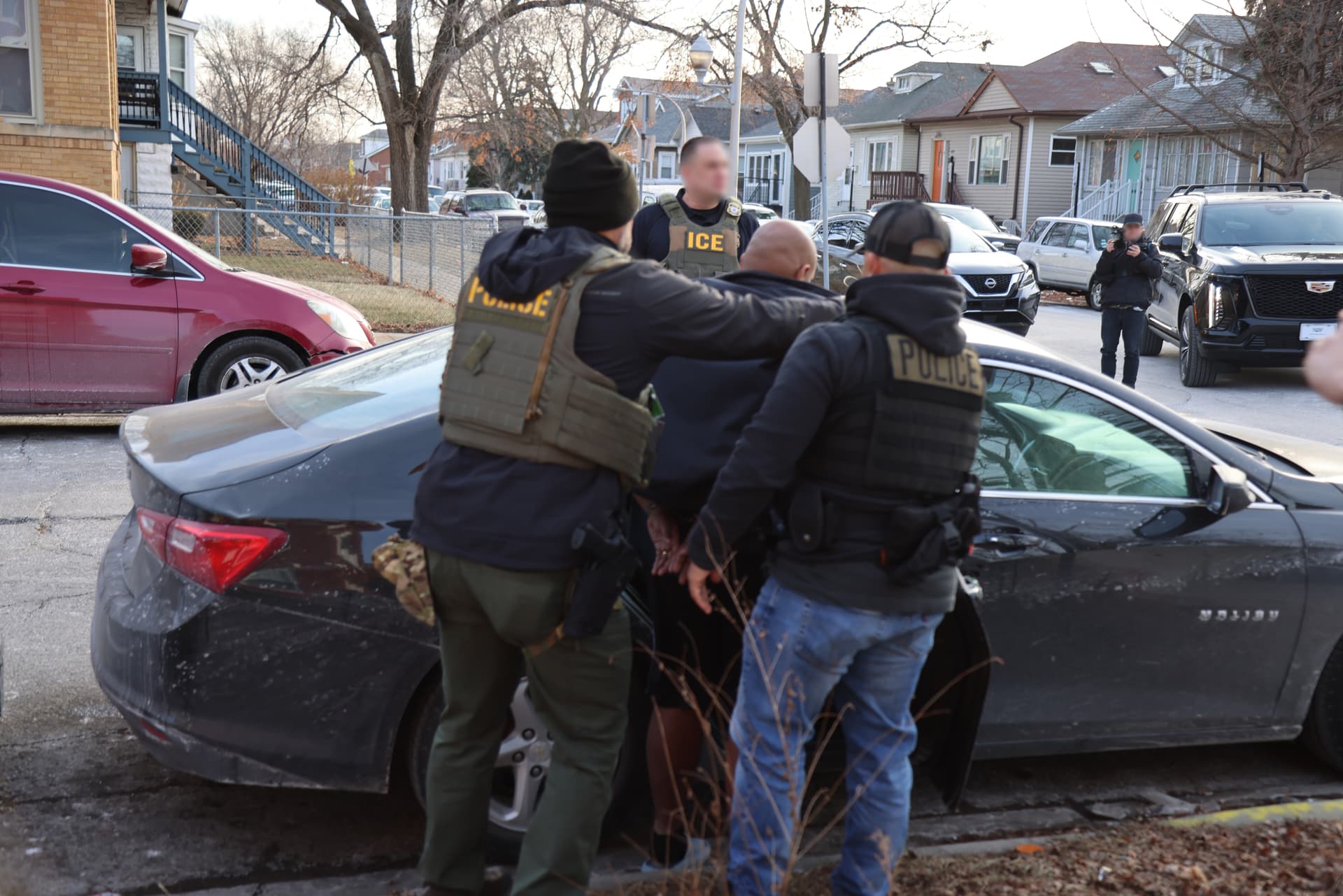
The Department of Homeland Security is preparing to extend its largest immigration enforcement operation to Chicago and Denver on Jan. 15, deploying roughly 1,200 additional ICE and Border Patrol officers in what officials are calling the next phase of Operation Metro Surge, according to two DHS officials familiar with the plan. The expansion will use staging areas at O'Hare International Airport in Chicago and Denver International Airport, with field command posts at federal buildings in both cities, the officials said.
The operation, which began in Minneapolis in early January with roughly 2,000 federal agents, will add enforcement teams in two jurisdictions the administration has repeatedly criticized for limiting cooperation with immigration authorities, a third official said. The official said the target list for the two cities contains approximately 3,400 names and emphasizes individuals with final removal orders or outstanding immigration warrants.
Operation Set to Begin in Two Sanctuary Cities
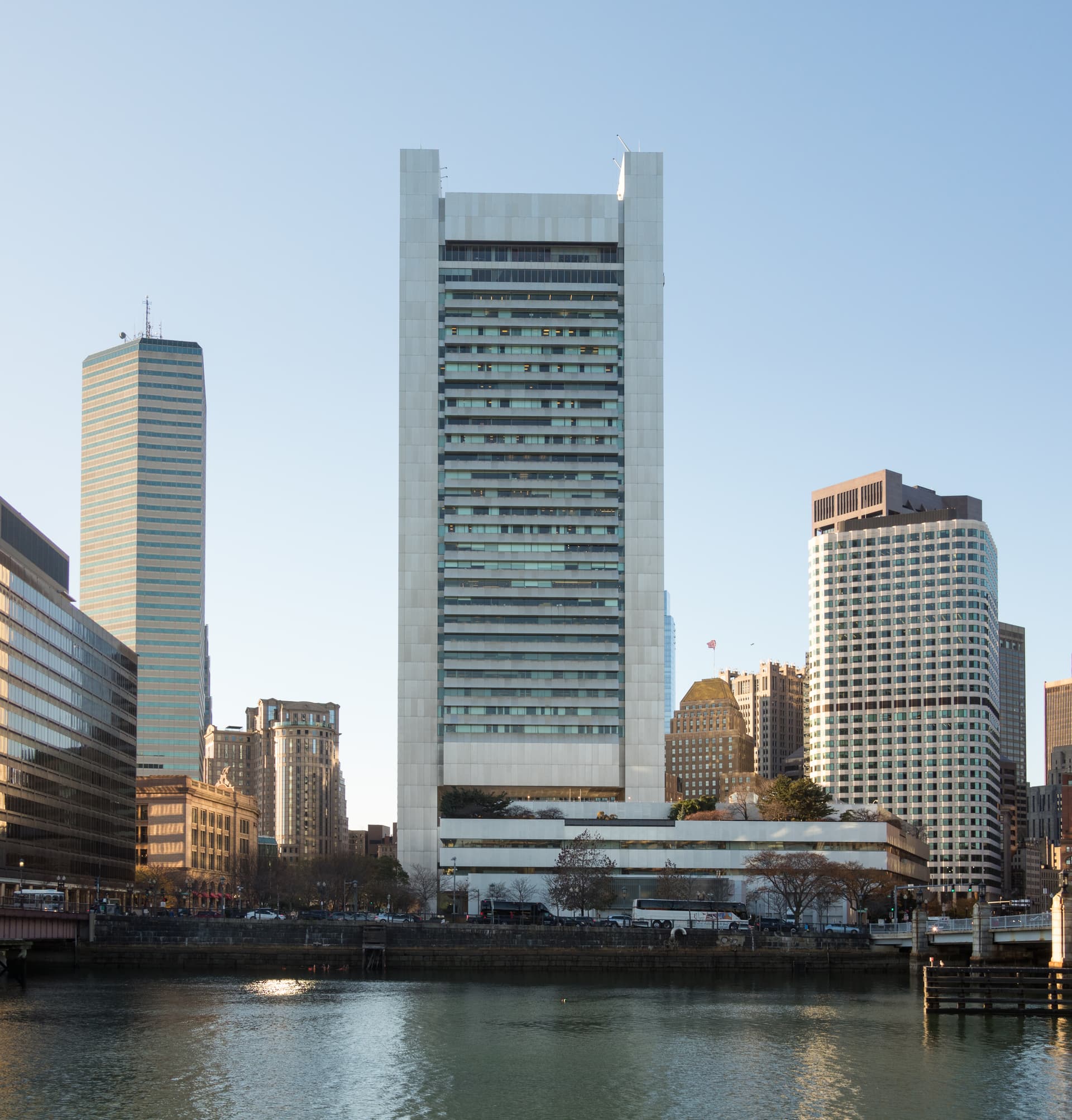
The Chicago portion will begin with a command briefing at the Dirksen Federal Building at 6 a.m. on Jan. 15, one DHS official said. Agents will then fan out to targeted addresses in Cook County and surrounding suburbs. The Denver operation will launch from a temporary command center at the Byron G. Rogers Federal Building, with initial enforcement actions focused on Aurora and parts of west Denver, the official said.
Two Border Patrol agents with knowledge of the deployments said the expansion includes officers transferred from the El Paso and Del Rio sectors in Texas, as well as from stations in Arizona and California. The agents said CBP Air and Marine Operations will provide helicopter support at both locations and that a unit of Texas Department of Public Safety troopers will serve as observers under an existing mutual aid agreement.
Homeland Security Secretary Kristi Noem is expected to attend the Chicago command briefing before traveling to Denver later on Jan. 15, one official said. The official said Noem will be accompanied by Acting ICE Director Todd Lyons and CBP Commander Gregory Bovino, who has overseen similar surges in Los Angeles, New Orleans, and Minneapolis.
One of the DHS officials said advance teams began arriving in Chicago on Jan. 11 and checked into hotels near O'Hare, with the bulk of the force expected to arrive on chartered flights on the evening of Jan. 14. The official said agents have been instructed to wear tactical identification but to avoid markings that identify their home sectors.
Targets and Force Levels
The expanded operation will focus on individuals with criminal convictions, outstanding removal orders, and suspected immigration fraud, according to a DHS planning document reviewed by two officials. The document, dated Jan. 8 and labeled Operation Metro Surge Phase II, allocates $45 million for travel, lodging, and overtime for participating personnel through Jan. 31, one official said.
Approximately 1,200 officers will be deployed to the two cities, split roughly evenly between them, the officials said. The force will include ICE Enforcement and Removal Operations officers, Homeland Security Investigations agents, and specialized CBP tactical teams. One official said the target list includes roughly 1,700 names in the Chicago area and 1,700 in the Denver area.
Homeland Security Investigations agents will concentrate on fraud and smuggling investigations, while Enforcement and Removal Operations officers will carry out arrests, one official said. The official said the operation will also include workplace enforcement actions at construction sites, warehouses, and food processing plants where contractors are suspected of employing workers without authorization.
A Texas law enforcement source said state troopers assigned to the operation have been told to expect a seven to ten day deployment and to coordinate with federal agents on traffic stops and perimeter security. The source said the troopers will not make immigration arrests but will assist with public safety and crowd control if protests occur.
State and Local Pushback Expected
Illinois Governor J.B. Pritzker and Denver Mayor Mike Johnston have both criticized the administration's immigration tactics in public statements over the past week, and aides to both officials said they expect legal challenges if federal agents enter schools, hospitals, or houses of worship. A senior official in the Chicago mayor's office said the city has instructed police not to assist with immigration enforcement except when required by judicial warrant.
The expansion comes after a fatal shooting in Minneapolis on Jan. 8 that killed an anti-ICE protester and intensified scrutiny of the operation. Two congressional aides briefed on the plan said House Democrats are preparing a letter to the DHS inspector general requesting an investigation into use of force policies during the surges.
A separate dispute over funding is likely to follow the operation's launch. Congressional aides said DHS has drawn roughly $90 million from existing enforcement accounts to cover the Minneapolis and expanded operations, a move that could trigger a fight over the upcoming homeland security appropriations bill. The House Appropriations Committee is scheduled to mark up the bill during the week of Jan. 19.
A DHS spokesperson declined to confirm the expansion, saying the department does not discuss future enforcement operations. The spokesperson pointed to public statements by the secretary describing the administration's commitment to enforcing immigration laws.
The next 48 to 72 hours will determine whether the Jan. 15 launch holds. Officials said the operation could be delayed if protests in Minneapolis divert resources or if a federal judge issues a restraining order in response to the Minnesota attorney general's lawsuit against DHS. Watch for updated travel advisories from Chicago and Denver airports, a potential White House statement on Jan. 13, and the first public sightings of CBP aircraft over the two cities.