Process Is Not Nothing
Constitutional lawyers spend considerable time explaining to lay audiences that process matters as much as outcome. The right to confront witnesses. The requirement of sworn testimony. The penalty of perjury that transforms a political conversation into a legal obligation. These aren't technicalities. They're the load-bearing walls of the entire structure.
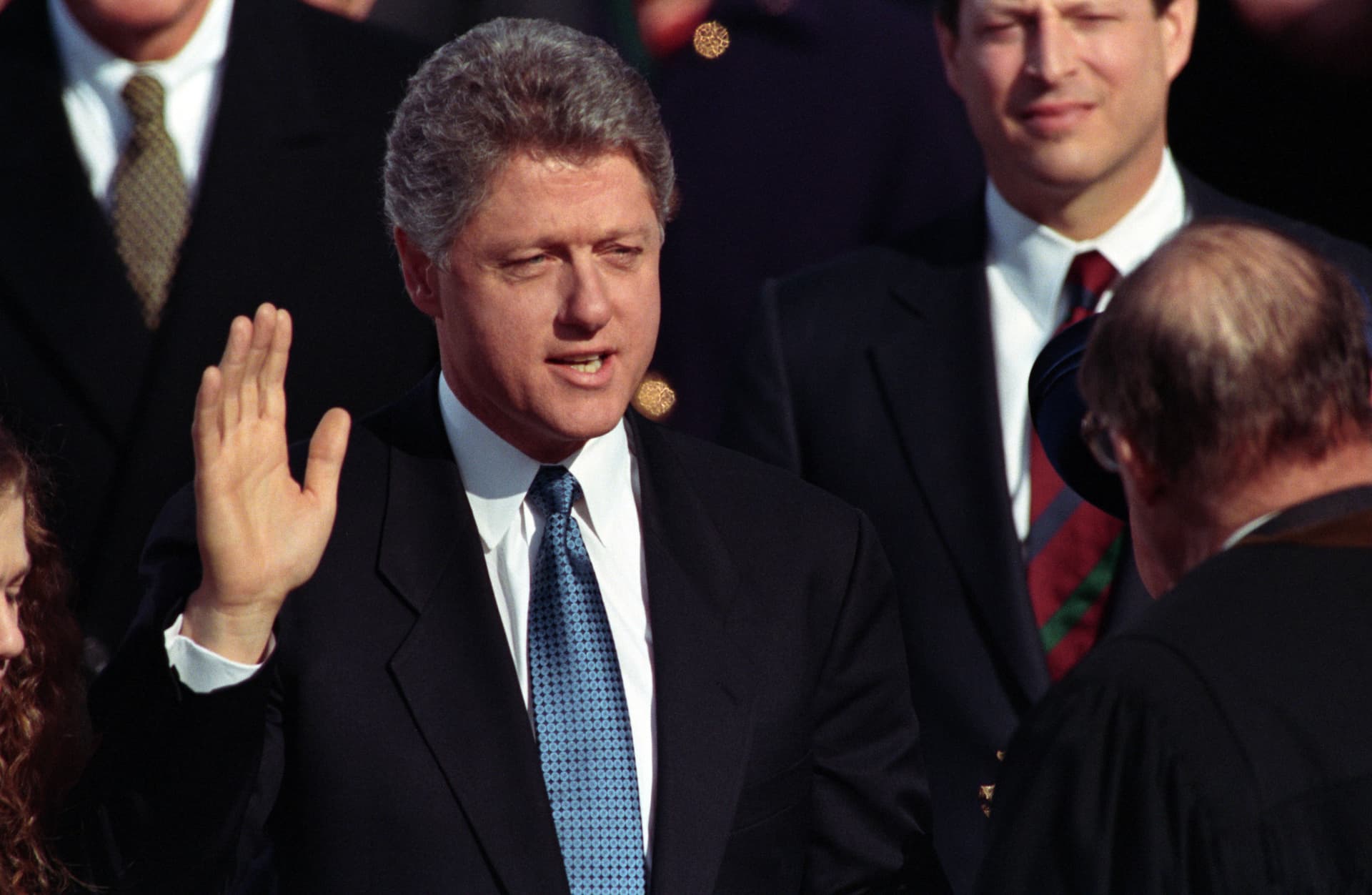
Which is why the announcement that Bill and Hillary Clinton will appear for depositions in the Jeffrey Epstein investigation matters, regardless of what those depositions ultimately produce. The process itself, sworn testimony, under oath, with legal consequences for false statements, is what has been conspicuously absent from every previous attempt to understand the Epstein network and its proximity to American political power.
Let me be precise about what I'm claiming and what I'm not. I'm not claiming the Clintons committed crimes. I'm not asserting that the depositions will reveal what conspiracy theorists have been alleging for years. What I'm asserting is that the legal mechanism of sworn deposition is the appropriate instrument for investigating these questions, not congressional hearings where witnesses can claim privilege, not media interviews where subjects can control the framing, not social media speculation that generates heat without light. Depositions. Under oath. With consequences.
What Epstein's Network Actually Was
Jeffrey Epstein operated for decades as a financier of uncertain provenance who managed, by some mechanism that remains not fully explained, to maintain relationships with an extraordinary cross-section of political, financial, and cultural power. Former presidents. Sitting politicians. Royalty. Intelligence-adjacent figures. The list of names in his contact book, when it became public, read like a directory of Western elite networks.
Bill Clinton flew on Epstein's plane at least 26 times, according to flight logs. That's documented. The Secret Service detail that typically accompanies former presidents was not always present on those flights. This is not an allegation, it's a factual matter of public record established through litigation in the Southern District of New York.
None of that, standing alone, establishes wrongdoing. People fly on private planes. Rich people fly on rich people's planes. What it establishes is a relationship of some depth and duration. What remains unknown, what the civil litigation surrounding the Epstein estate has not yet fully illuminated, is the nature of that relationship and what Clinton may have observed, participated in, or known about Epstein's criminal conduct.
Depositions are designed to answer exactly these questions. Not press releases. Not statements through counsel. Depositions, where an attorney asks specific questions and the witness answers specifically, under penalty of perjury, in a recorded proceeding.
The Privilege Landscape
The Clintons' legal team will deploy every available privilege argument. Executive privilege, where applicable. Attorney-client privilege for any communications with counsel. Fifth Amendment invocation is theoretically available, though in a civil deposition the invocation can be used against the deponent in the civil proceeding itself. The privilege landscape is complex, and experienced counsel will navigate it aggressively.
But the privilege claims themselves will be revealing. Questions that elicit Fifth Amendment invocations tell us something. Privilege assertions that the supervising court overrules narrow the scope of what can be withheld. The legal maneuvering around a deposition is itself a form of evidence, not in the criminal law sense, but in the public information sense. We learn what the deponents most want to protect.
For Hillary Clinton, the questions will likely focus less on personal conduct and more on political and financial relationships, whether the Clinton Foundation's fundraising intersected with Epstein's network, whether any policy decisions during her tenure at State were influenced by Epstein-adjacent actors, whether she had knowledge of Epstein's conduct that was not reported. These are legitimate questions of public accountability, separate from any criminal inquiry.
Accountability Without Presumption
There's a version of this story that the left will tell: it's a politically motivated fishing expedition, a Republican attempt to relitigate the culture wars of the 1990s, a harassment campaign against figures who have already been the subject of years of unfounded investigation. This framing is designed to preemptively discredit whatever the depositions produce.
And there's a version that certain corners of the right will tell: it's a guaranteed bombshell, the beginning of the end, mass arrests imminent. That framing is equally dishonest, it inflates expectations to a level that no legal proceeding can meet, then uses the disappointment to claim the system is rigged.
The correct position is simpler. Sworn depositions of individuals with documented connections to a convicted sex trafficker are legally appropriate and institutionally necessary. Let them happen. Let the answers be recorded. Let the legal process work. That's what the rule of law requires, not presumptions of guilt, not presumptions of innocence that preclude inquiry, but the actual mechanism of sworn testimony applied to material questions.
The mechanism is working. For the first time in a long time, it's actually working.