The Scale of the Crisis
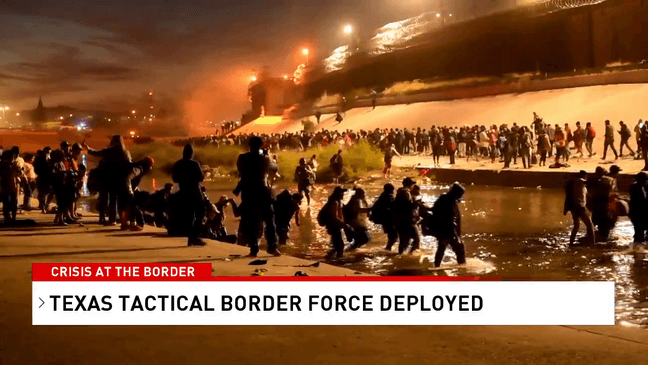
In the first three months of 2026, El Paso and surrounding counties processed over 87,000 migrant arrivals, a 340% increase over the same period last year. County sheriffs report officers working 16-hour shifts, overtime budgets exhausted, and morale fracturing. Jack Rodriguez, El Paso County Sheriff's Department spokesman, said in a statement that the department's detention facilities operate at 185% capacity. That's not hyperbole. The numbers are crushing. Facility managers report that cells designed for four occupants now hold twelve. Medical staff work double shifts treating dehydration, respiratory infections, and untreated chronic conditions arriving with the migrant population.
Customs and Border Protection facilities designed to hold 400 people now hold 1,200. Transport costs between facilities have consumed a quarter of the county's emergency services budget since January. School districts in border towns report 40% increases in unaccompanied minors requiring translators, medical screening, and temporary housing. These aren't abstract policy debates anymore. The costs are real, measurable, and accelerating month over month. One El Paso superintendent reported spending $400,000 on emergency translation services in March alone, pulling funds from special education and maintenance budgets.
Webb County, which includes Laredo, processed 156,000 arrivals in the first quarter alone. The county's population is 281,000. One out of every two residents arrived as a detainee in a three-month window. Infrastructure can't absorb that. Detention centers designed for 90-day stays now hold people for 180 days waiting for federal immigration judges. The backlog isn't administrative friction. It's a system that has fractured under weight. County commissioners report that existing detention capacity was calculated in 2010 when average arrivals were 2,000 per month. Current arrivals are 35,000 monthly.
What Local Law Enforcement Actually Needs
Border sheriffs don't want rhetoric or sympathetic op-eds. They want three concrete things: federal personnel on the ground doing the intake work, dedicated funding streams separate from general-purpose grant competition, and legal authority to deport individuals within 48 hours if they fail background checks. Currently, a sheriff can hold a detainee for 90 days while waiting for federal determination. In that time, a single person costs the county roughly $1,800 in detention, medical, and food costs. Multiply that across 50,000 detained individuals monthly and the annual burden exceeds $1 billion for border county sheriffs alone.
The Texas Sheriff's Association submitted detailed budget requests in February requesting $340 million in supplemental federal support. The requests went to both the Department of Homeland Security and the White House. Two months later, they've received acknowledgments but no additional resources. One sheriff told me, off the record, that federal officials keep promising support while simultaneously expanding the criteria for who qualifies as low-priority for deportation. The gap between rhetoric and reality is swallowing their budgets. Rio Grande Valley sheriffs report overtime pay consuming 60% of discretionary spending, up from 18% two years ago.
The core problem is structural: federal policy creates the arrival incentive, but local sheriffs absorb the cost. No county has a revenue source tied to immigration policy. When Washington changes asylum rules, El Paso's budget gets slashed. When processing timelines extend, a single county's detention budget grows by hundreds of thousands overnight. The misalignment between policy-making and budget responsibility is not accidental. It's the inevitable result of federal-level decision-making insulated from local fiscal consequences. Sheriffs are asking for either the resources to manage federal policy or the authority to enforce their own borders. So far, they're getting neither.
The Collateral Damage
Border towns weren't designed for this pressure. El Paso's tourism collapsed 35% last year as visitors avoid downtown districts deemed unsafe. Property crime increased 22% in areas near processing centers. Small business owners report theft, property damage, and customers no longer walking downtown after 6 p.m. Trinity County, population 14,000, is now sheltering 340 migrants in temporary housing. The school there went from one ESL teacher to needing four. Test scores declined 18% in schools absorbing large numbers of students who require language support. Teachers report spending 40% of class time on translation and remedial language instruction.
Hospital ERs in border communities report patient volumes up 50% since 2024, with half the new cases involving first-time medical documentation and language barriers. Hospitals designed to serve 50,000 residents now care for 120,000. Medicaid expenses for border counties are projected to exceed $2.4 billion this year, a 78% increase over 2024. These are long-term fiscal obligations hitting in real time with no corresponding federal support. County commissioners have asked Washington for reimbursement authority. The response has been silence.
These towns didn't create the incentive structure. They didn't write the asylum rules. They're absorbing the consequences while Washington argues over policy. Texas border sheriffs and county commissioners have asked for a seat at the table where federal immigration policy gets made. So far, that invitation hasn't come. The message from federal policymakers is clear: manage this locally, absorb the costs locally, and don't expect federal resources or authority to help you do it.