The Numbers Don't Lie
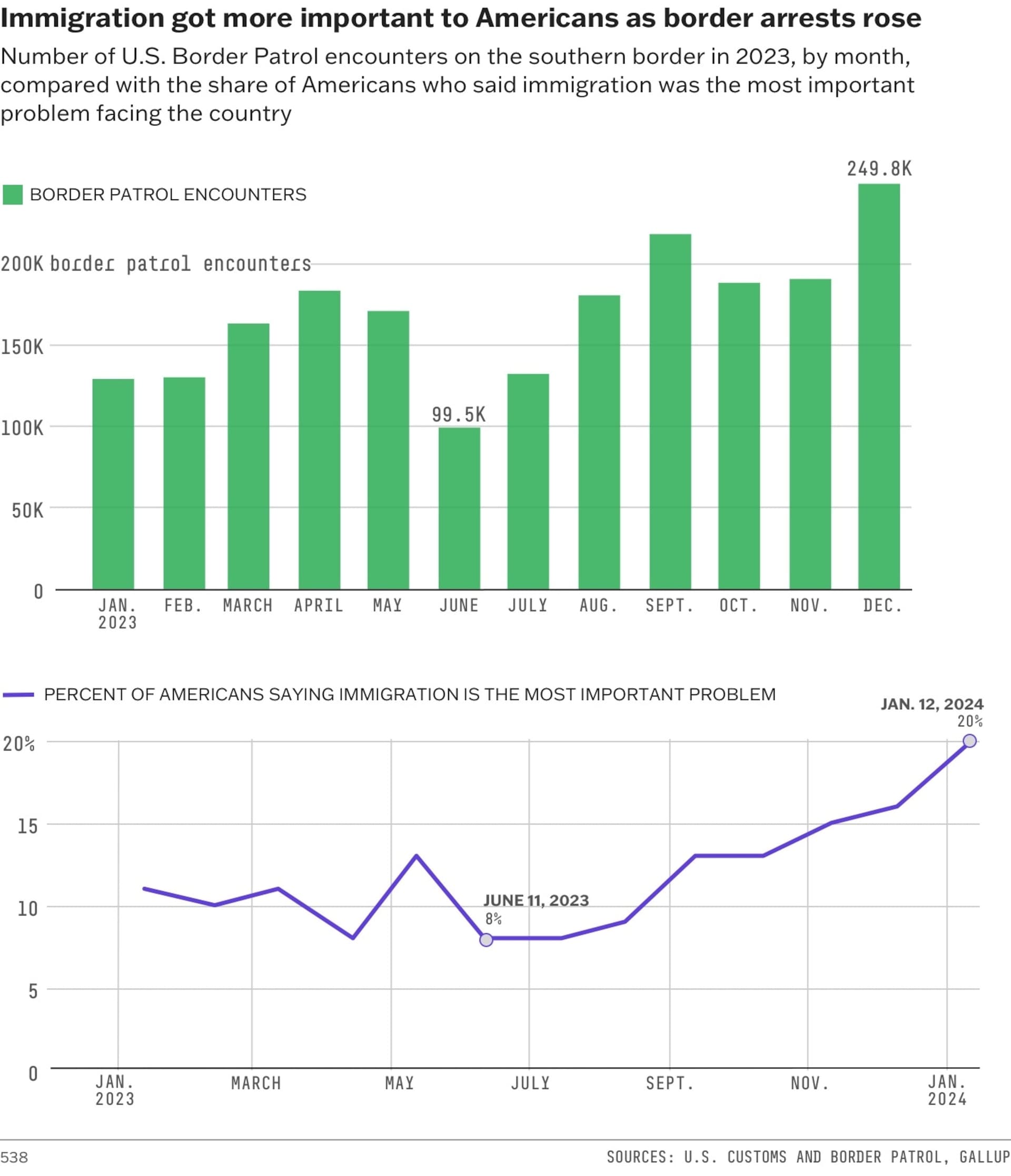
U.S. Customs and Border Protection reported 312,000 encounters at the southern border in April 2026, a figure that staggered even seasoned immigration hawks. That's not projection. That's government data. The year-to-date total stands at 1.2 million encounters, putting 2026 on track to become the busiest fiscal year on record. These aren't guesses or partisan spin. These are CBP's own numbers, released quarterly.
The sheer volume tells the story. In 2021, CBP reported 1.7 million encounters for the entire fiscal year. By 2024, that number had hit 2.4 million annually. This year, with four months of data already logged, we're watching a pace that will exceed 3 million encounters. That's not a trend. That's a structural collapse of the admission and enforcement system. The southern border doesn't function as a controlled checkpoint anymore. It functions as a processing center running at maximum capacity, every single day.
Jack Harmon writes on border enforcement and law enforcement policy. He served 12 years in regional law enforcement before joining his current work, and he's watched three administrations attempt to manage this crisis with varying degrees of failure. "What strikes me," he said, "is that the political conversation hasn't caught up to what the operational reality is." The enforcement community is stretched thin. Processing capacity is exceeded. Detention beds are full. The system runs on fumes.
The consequences ripple. Single adults with criminal histories pass through because detention facilities can't hold them. Family units separate inadvertently because processing systems fail to track relationships. Unaccompanied minors wait in overcrowded holding facilities for more than the legal 72 hours. These aren't exceptions. They're routine operations at this point. The system grinds forward because it must, but it grinds people in the process.
Processing Backlogs and Real-World Failure
A processing backlog of 890,000 cases now sits in immigration court. That backlog generates two distinct problems. First, asylum seekers and migrants spend 3 to 5 years waiting for hearing dates. That's policy-driven limbo on a mass scale. Second, it creates a perverse incentive: some migrants know the court won't hear them for years, so they simply move inland. They vanish from the enforcement system. Voluntary removal becomes impossible. The system calcifies.
The Biden administration inherited this backlog from Trump and has done little to reduce it. Congress hasn't allocated the judicial resources to clear it. Career immigration judges work around the clock. They still fall further behind each month. So migrants wait. Border communities bear the cost. Federal agencies manage crisis mode indefinitely, knowing the problem will only worsen next fiscal year unless something structural changes.
What's the feedback from the field? Border patrol officers report that the time spent processing a single encounter has nearly doubled since 2020. They spend more hours filling out forms and less time on actual enforcement. Intelligence gathering suffers. Cartel movements go untracked. The organization is trapped in administrative overhead. Processing a family unit that illegally crossed now takes four hours minimum. Five years ago, it took two. That's not reform. That's degradation.
The backlog also means that people with outstanding warrants, known security risks, or gang affiliations sometimes wait months before any thorough vetting occurs. The system moved fast enough to catch threats five years ago. Now, by the time a threat is identified, that person has moved five states inland. Catching them later costs exponentially more. Prevention becomes impossible because the system is so overwhelmed that triage itself becomes luxury.
What Happens to Border Towns
El Paso, Eagle Pass, Hidalgo County: these communities process the wave daily. Hospitals report strains from emergency-room usage that they cannot sustain indefinitely. Schools see enrollment spikes that strain budgets overnight. Local law enforcement absorbs resource demands they weren't budgeted for. The federal government sends aid intermittently. The commitment is temporary. The crisis is permanent.
Mayor Oscar Leeser of El Paso declared a local disaster in March 2026 after the city exceeded its processing capacity. The city had been absorbing surges for five years. It finally broke. Now El Paso buses migrants to northern cities at a cost of roughly 2,000 dollars per person. That's city money. El Paso residents are paying for federal border policy failure out of their own tax base. The city council voted to continue the bussing program despite the cost because the alternative is worse: complete system collapse.
What's the ask from the field? Border communities want manpower, not more task forces. They want detention capacity, not federal task forces. They want processing speed and workable law. Right now, they're getting none of those things at scale. That mismatch between need and response is the real story. Not immigration debate. Not asylum policy. Pure operations and capacity and the absence of political will to fix either one. When a city's only solution is to export migrants to other states, something is fundamentally broken in the system itself. The solution requires Congress, but Congress is divided on whether to solve it at all.