The App's Dark Purpose
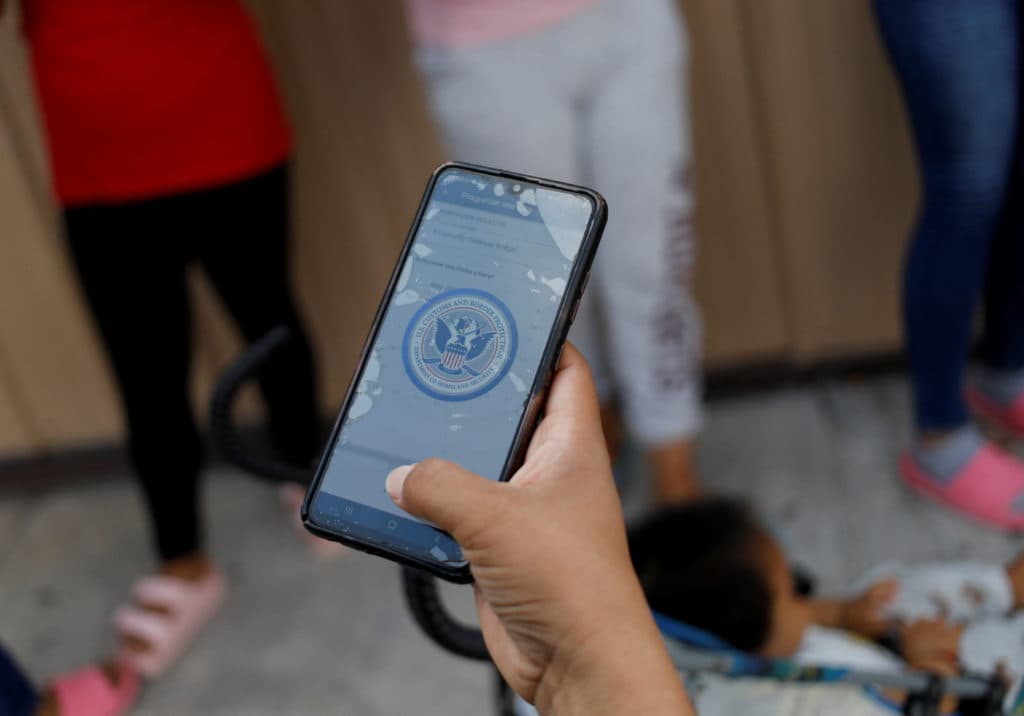
When the Department of Homeland Security launched CBP One in late 2023, the intention was straightforward: allow asylum seekers to book appointments at ports of entry through their smartphones, reducing chaotic surges at the border. Two years later, the app has become the smuggling networks' most efficient scheduling mechanism. Cartels now operate like logistics companies, using the app to time migrant movements with surgical precision. One Border Patrol supervisor described the coordination as industrial in scale and complexity. The app doesn't authenticate whether the person holding the phone is the person seeking asylum. Mexican cartel operatives have figured this out in record time. They now broker the app credential to migrants for 500 to 1,500 dollars per slot, controlling the flow of bodies across the border with predictability that law enforcement hadn't seen before. CBP One appointments cluster at specific ports, on specific days, in patterns that traffickers have mapped and exploit with clockwork efficiency.
The cartels maintain spreadsheets. They know which ports process faster, which officers ask fewer questions, which days see the highest volume. They've turned border security into a scheduling problem. A migrant working with a cartel arrives at El Paso on a Tuesday afternoon because the cartel knows Tuesday sees the highest throughput. By Wednesday morning, he's been processed, admitted, and released into the interior with a notice to appear in immigration court that he'll ignore. The cartel gets paid. The migrant becomes another body in the system. Border Patrol watches the pattern but can't break the chain. The sophistication of this operation represents a fundamental shift in how smuggling networks function. They're no longer responding to enforcement; they're anticipating it, incorporating government systems into their operational planning.
What Happened to Border Enforcement
The Trump administration's first border surge in 2017 produced the imagery of cages and crying children that dominated cable news for months. The Biden team inherited a border apparatus designed for containment, not processing. To defuse political heat, they built an app. Processing times at the southern border have collapsed into bureaucratic theater. Asylum officers, overwhelmed by the volume, conduct cursory interviews averaging less than seven minutes per case. A customs officer at San Diego reported that his port of entry now processes an average of 2,800 migrants per day, a figure nearly triple the annual average from 2017. The bottleneck hasn't stopped the flow; it's only legitimized it. Border Patrol agents report that the app has made their job harder, not easier. Instead of managing surges at the fence, they now manage queues of pre-approved migrants.
The cartels have weaponized the bureaucracy. They've transformed the asylum system from a broken gate into a predictable pipeline. CBP One appointments stretch weeks into the future, creating a vacuum of opportunity for trafficking networks to exploit the wait time. A migrant with an appointment date 45 days out is a migrant the cartel can monetize multiple times over: once for the app credential, again for transportation to the port, again for housing during the wait. The system was supposed to reduce chaos. Instead, it created structure that the cartels could monetize. A senior DHS official in private conversation acknowledged that the app has unintended consequences but insisted that the alternative would be even worse. The logic is bankrupt. The current system is bleeding American sovereignty while the government pretends it's managing the border responsibly.
The Numbers Don't Lie
CBP One has processed over 1.2 million appointments since launch. A conservative estimate suggests that cartels have directly profited from 20 to 40 percent of those appointments, generating between 300 million and 900 million dollars in revenue. That's trafficking revenue that didn't exist before the app existed. The scale of the cartel win is almost incomprehensible. For the cost of a smartphone and an internet connection, cartel logistics operatives have gained access to what amounts to an official U.S. government scheduling system. The return on investment is measured in orders of magnitude.
What's more, the cartel exploitation of the app has created a secondary market. Migrant smugglers now charge fees specifically for app access, which they didn't do before. A typical migrant journey from Central America to the United States now costs between 5,000 and 12,000 dollars. The app credential is priced separately, adding 500 to 1,500 dollars to the total bill. That's a direct revenue stream that the cartels consider so valuable they've built business units around it. Border Patrol knows this is happening. They can see the patterns. They can't stop it.
What Comes Next
Border Patrol is aware of the cartel exploitation but lacks the authority to revoke app access or modify the system without direction from Washington. The app continues operating at full capacity. Dismantling the system now would trigger another surge as migrants abandon app pathways for traditional crossing routes. The cartels win either way. A senior CBP official, speaking on condition of anonymity, acknowledged that the app has become a liability but admitted that the political cost of shutting it down is higher than the cost of managing the cartel exploitation. The Biden administration has no appetite for that fight. What's needed is authentication. What's needed is integration with intelligence systems that flag cartel operatives booking appointments for migrants they control. What's needed is the political will to admit the app has failed. None of those things are coming. CBP One will continue operating as a cartel scheduling tool until the next administration takes office and makes the decision to change course. By then, how many more migrants will have been exploited? The app ticks forward, one appointment at a time, while the cartels count their money.