The Numbers Tell the Story
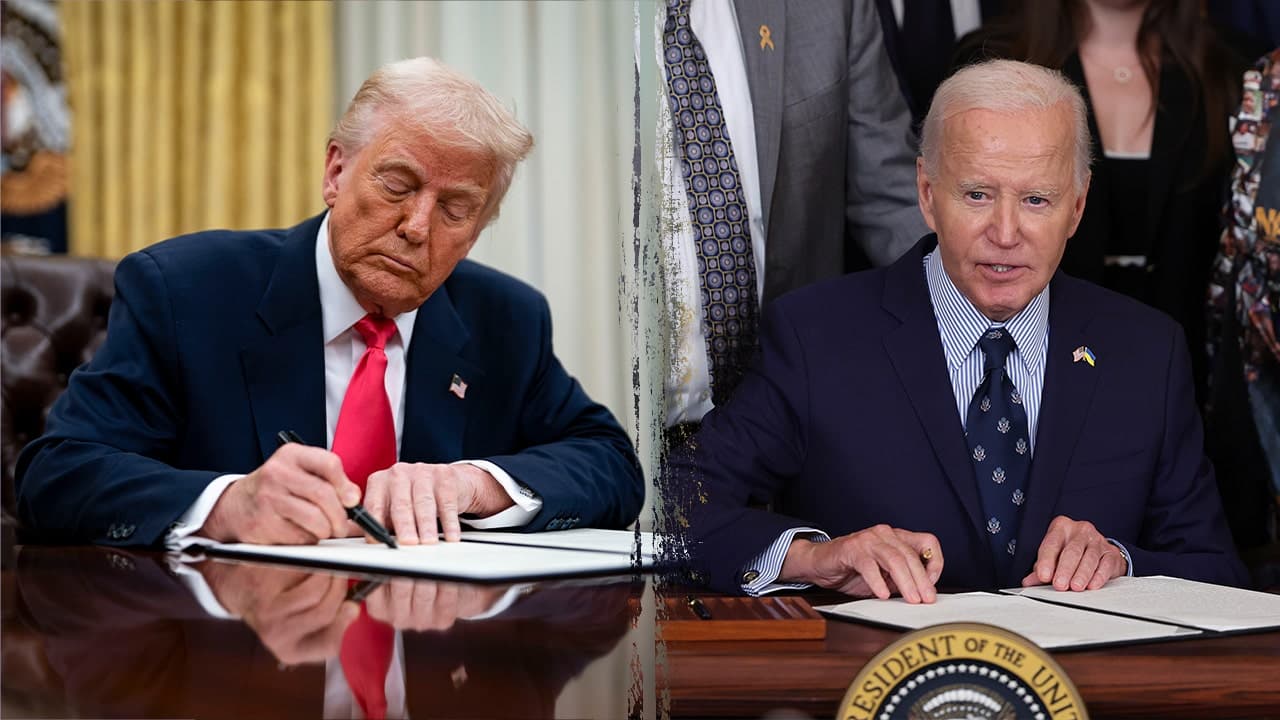
Every president enters office promising to respect the limits of constitutional power. Yet the modern presidency has increasingly become a one-man legislature, and the Biden administration has taken this trend to new heights. By the time historians finish tallying the record, Joe Biden will likely stand as the most prolific issuer of executive orders in modern American history. The figure ought to trouble every American who believes that laws should be written by elected representatives, not signed into existence by presidential decree.
During his first one hundred days alone, Biden signed roughly seventy-seven executive orders, memoranda, and proclamations. That total surpasses the combined first-term pace of Donald Trump, Barack Obama, and George W. Bush. Trump signed thirty executive orders in his first hundred days. Obama signed nineteen. Bush signed just seven. These are not marginal differences. They represent a fundamental shift in how the occupant of the Oval Office views the job.
The raw totals are equally striking. Trump issued approximately two hundred and twenty executive orders during four years in office. Obama issued roughly two hundred and seventy-six across eight years. Bush issued about two hundred and ninety-one. Biden, by contrast, signed more than three hundred executive orders before the midpoint of his term, putting him on pace to far exceed every one of those predecessors. The question is not whether Americans have noticed. The question is whether anyone in Washington intends to do anything about it.
Why This Should Alarm Conservatives
Defenders of the administration will say that executive orders are merely administrative tools, the modern equivalent of the president directing his own branch. That defense might be comforting if the orders in question were limited to internal management. They are not. Biden has used executive action to reshape immigration enforcement, rewrite student loan obligations, reclassify firearms, impose energy restrictions, and redirect federal spending without congressional authorization. These are not housekeeping measures. These are policy decisions with trillion-dollar consequences and direct effects on the daily lives of American citizens.
Consider the student loan cancellation order. The president attempted to unilaterally erase hundreds of billions of dollars in legally contracted debt. The Supreme Court eventually struck down the scheme, ruling that the administration had exceeded statutory authority. But the fact that the White House attempted it at all, and the fact that supporters treated the decision as routine executive action, reveals how far the Overton window has shifted. A president who believes he can nullify private financial obligations by press release has ceased to view Congress as a co-equal branch.
On immigration, the administration has repeatedly adjusted enforcement priorities, parole standards, and border procedures through memoranda rather than legislation. The practical effect has been a de facto rewrite of immigration law without a single vote in either chamber. Voters may disagree about what immigration policy should look like, but no honest reading of the Constitution permits the executive branch to simply suspend or replace statutes because Congress has failed to produce the president's preferred outcome.
The Separation of Powers Is Not a Suggestion
The framers did not design Article II to be a substitute for Article I. Congress writes laws. The president executes them. That distinction is not ornamental. It is the central safeguard against arbitrary rule. When presidents bypass the legislative process, they insulate policymaking from public debate, committee scrutiny, amendment, and the accountability that comes with recorded votes. They also deprive the American people of the stability that comes from statutes passed through compromise and deliberation.
Some Republicans bear blame for enabling this pattern. Congress has spent decades delegating sweeping authority to federal agencies, then complaining when presidents use that authority aggressively. Members have discovered that it is easier to hold press conferences about an issue than to draft legislation, build coalitions, and take hard votes. Executive overreach feeds on legislative cowardice. If Congress wants the presidency to stop legislating by fiat, it must first stop handing presidents the pen.
The courts have begun to push back, and conservatives should welcome that development. Beyond the student loan ruling, federal judges have blocked or narrowed executive actions on vaccine mandates, environmental permitting, and asylum processing. These decisions are not judicial activism. They are the judiciary performing its constitutional duty to say what the law is. The judiciary, however, cannot save the republic alone. The elected branches must also defend their own prerogatives.
Congress Must Reclaim Its Authority
The remedy is straightforward, even if it is politically difficult. Congress should pass legislation explicitly limiting the use of emergency declarations for ordinary policy disputes. It should claw back regulatory authority it has carelessly surrendered. It should exercise the power of the purse with greater precision, attaching clear conditions to spending and refusing to fund programs created by executive memorandum. Most importantly, members of both parties should remember that the oath they swore was to the Constitution, not to the convenience of the sitting president.
The next administration will inherit a presidency swollen with powers that Congress never intended to grant. Whether a Republican or a Democrat sits behind the Resolute Desk, that concentration of authority is unhealthy for self-government. Conservatives who cheered executive action under a Republican president and now object to Biden's orders, or who now cheer potential Republican executive action while ignoring the precedent, are missing the point. The issue is not which party occupies the White House. The issue is whether the White House will remain one branch among three or become the dominant branch.
Biden's executive order record is more than a statistic. It is a warning. When presidents stop asking Congress and start ruling by decree, the American people are no longer governed. They are managed. That is not the system the founders gave us, and it is not the system we should accept.