The Theater of Low Expectations
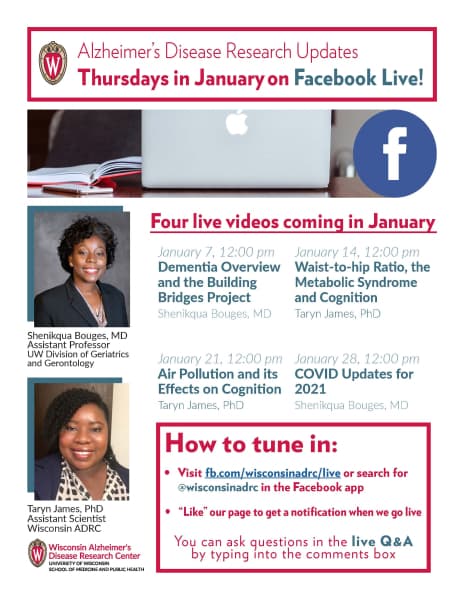
Some announcements deserve the dignity of the Oval Office, a congressional hearing room, or at least a podium outside the West Wing. Instead, the administration chose a Facebook Livestream to roll out its latest ideas for Alzheimer's research and care. That decision was not innovative. It was revealing. It showed exactly how Washington ranks the suffering of more than seven million Americans and the families who care for them: somewhere between a product launch and a campaign ad.
There was no question-and-answer session, no congressional scorekeeper in the room, and no detailed budget table for taxpayers to review. The event was designed to be consumed, not examined. That is the wrong standard for a disease that will cost federal health programs trillions of dollars over the coming decades.
Alzheimer's disease is not a lifestyle issue or a niche cause. It is the sixth leading cause of death in the United States, killing more Americans than breast cancer and prostate cancer combined. The Alzheimer's Association estimates that more than seven million Americans are currently living with the disease, a figure projected to climb to nearly thirteen million by 2050. The economic cost to the nation already exceeds $360 billion annually, and Medicare and Medicaid carry most of that burden. These numbers describe a national emergency, not a content opportunity.
Yet the livestream treatment is part of a larger pattern. Policymakers have grown comfortable treating chronic disease as background noise while they chase viral moments. COVID-19 earned daily briefings, special legislation, and endless emergency declarations. Cancer gets a "Moonshot." Alzheimer's, meanwhile, is too often reduced to a ribbon, a celebrity fundraiser, and now a Facebook feed. The message to patients and caregivers is unmistakable: your crisis is not urgent enough to pull officials away from their screens.
Spending Grew, but Results Did Not Keep Pace
Conservatives are often accused of opposing research funding, but the real conservative position is to demand that every taxpayer dollar produce measurable results. On that score, Alzheimer's research has a mixed record. In 2010, the National Institutes of Health spent roughly $448 million on Alzheimer's and related dementias. By fiscal year 2024, that figure had ballooned to roughly $3.7 billion, a nearly ninefold increase in little more than a decade. The NIH now directs close to 8 percent of its overall budget toward dementia research.
Congress has repeatedly reauthorized the National Alzheimer's Project Act, and lawmakers of both parties deserve credit for steering more money toward the NIH. The private sector has also poured billions into drug development. Yet after all that investment, the median patient still receives a diagnosis and little else. The gap between scientific possibility and bedside reality is where Washington's failures matter most.
That spending has produced genuine progress. New drugs such as lecanemab and donanemab can slow early cognitive decline, a breakthrough that once seemed impossible. But access remains limited, and the FDA's approval process has been dogged by controversy, including the divisive Aduhelm episode that exposed weakness in both the regulator and Medicare's coverage decisions. Patients who could benefit from promising therapies still face bureaucratic delays, restrictive CMS policies, and confusion about which treatments Medicare will actually cover.
Meanwhile, much of the research enterprise operates behind a wall of jargon and opacity. The public is told repeatedly that more money equals more hope, but the connection between appropriations and outcomes is rarely explained in plain English. If Congress is going to keep expanding the NIH's Alzheimer's portfolio, it should demand the same accountability that Americans expect from any other federal program: clear milestones, public reporting, and consequences for failure.
Accountability, Not Algorithms
A Facebook Livestream is the opposite of accountability. It is a one-way broadcast, carefully staged, lightly questioned, and quickly buried under the next news cycle. It allows officials to claim action without submitting to the scrutiny of a budget hearing, a committee markup, or a floor debate. Real oversight means forcing agencies to defend their budgets, explain their setbacks, and justify their priorities in front of elected representatives and the people who pay the bills.
Conservatives should also resist the temptation to turn Alzheimer's into another open-ended entitlement. The first obligation is to protect taxpayers and direct resources where they can do the most good. That means reforming CMS so that proven therapies reach seniors without months of administrative limbo. It means streamlining FDA review without lowering safety standards. It means supporting family caregivers through targeted tax relief rather than creating new federal programs that grow forever.
Washington must also stop diverting scientific institutions toward political fads. Medical schools, research hospitals, and federal health agencies have finite time and money. Every hour spent on diversity statements, ideological training, and bureaucratic compliance is an hour not spent on lab work, clinical trials, and patient care. If Alzheimer's is truly a national priority, then the institutions tasked with defeating it should be judged by scientific results, not by their performance in progressive rituals.
The Standard We Owe
Behind every statistic is a daughter driving to a memory clinic, a son balancing a full-time job with nighttime wandering, and a spouse emptying a retirement account to pay for in-home care. These Americans do not have time to watch a livestream and hope something good comes of it. They need a government that moves with the same urgency it shows when a headline demands it.
The men and women losing their memories, along with the spouses and children watching them fade, do not need better social media. They need a serious government that treats their disease with the gravity it deserves. That starts with funding decisions made in the open, announced in formal settings, and defended with hard data. It continues with access to treatments already shown to work. It ends with a culture in Washington that measures compassion by outcomes, not by impressions.
A Facebook Livestream might draw clicks. It will not draw a cure. The next Congress and the next administration should set the phone down, pick up the legislation, and prove that the suffering of millions is more than content.