The Fine Print You Never Read
You paid a thousand dollars for it. You finance it for thirty-six months. You sleep with it on the nightstand, hand it to your children, and trust it with your deepest conversations. But the smartphone in your pocket is not merely a phone. It is a tracking device, a listening post, and a behavior log that you purchased with your own money and continue to fuel with your monthly bill.
Most Americans still believe the old lie that privacy is the default setting. It is not. Every weather app, rideshare service, news alert, and flashlight tool you download asks for location access, microphone access, contact lists, and camera rolls. The request is buried in a terms-of-service document that no one reads, behind a friendly blue button that promises immediate gratification. Once you tap agree, your consent is treated as permanent, transferable, and irrevocable. Many of those permissions are sold downstream to data brokers who package your movements and sell them to advertisers, insurers, employers, and yes, government agencies.
In 2024, the Federal Trade Commission fined one location data broker, Outlogic, for selling sensitive location data tied to visits to places of worship, medical clinics, and domestic abuse shelters. The company had sold access to the precise movements of millions of Americans without their meaningful consent. That is not a glitch. That is the business model. A 2023 study by the Mozilla Foundation found that the average smartphone user shares personal data with more than twenty-five different companies every single day, many of them operating in the shadows of the advertising ecosystem.
Your location data can reveal where you pray, who you visit, what doctor you see, and whether you attended a political rally. The Supreme Court recognized this threat in Carpenter v. United States, ruling that warrantless access to historical cell-site location information violates the Fourth Amendment. Yet the ruling left enormous loopholes, and private brokers continue to sell what the government cannot legally seize without a warrant.
When the Warrant Becomes a Rubber Stamp
If the private market will not police itself, the state is happy to exploit it. Federal investigators increasingly use geofence warrants to demand location data from Google for every device inside a defined area during a specific window. A report from Google showed that in 2023 alone, the company received over ten thousand geofence warrant requests from law enforcement across the United States. These orders sweep up innocent bystanders simply because their phone was nearby when something happened. Your data becomes evidence before you become a suspect.
The problem is not limited to digital dragnets. Customs and Border Protection conducted more than forty-seven thousand electronic device searches of travelers entering the United States in fiscal year 2024, according to agency data. Agents can demand your passcode, copy your photos, and browse your messages without the probable cause that a traditional search would require. Your phone, which you bought, becomes an open book for federal agents at the moment you cross the border.
Then there are cell-site simulators, commonly called stingrays. These devices impersonate cell towers and trick phones into connecting, allowing police to track locations and intercept identifying information. The Department of Homeland Security has acknowledged deploying them, and local police departments have used them for years, often under nondisclosure agreements that hide the practice from judges and defendants. When the tool is secret, the oversight is fiction. Meanwhile, Fusion Centers gather intelligence from local, state, and federal sources, turning private data into government dossiers with little public accountability.
The result is a surveillance infrastructure that would have shocked the authors of the Bill of Rights. Worse still, agencies can use parallel construction to conceal the origins of evidence obtained through these back channels, meaning defendants may never know that a private data broker was the real informant.
Reclaiming Privacy in a Wired Age
None of this means we should return to rotary phones and telegrams. Technology is a blessing when it serves the user. The problem arises when the user serves the technology, and when the government treats every citizen as a suspect until their data trail proves otherwise.
Conservatives should lead on this issue because privacy is a cornerstone of ordered liberty. The Fourth Amendment was written to protect the home, the papers, and the effects of the people against unreasonable searches. Your smartphone contains more personal papers than a colonial lawyer could have accumulated in a lifetime. If that is not worthy of constitutional protection, nothing is.
Congress should act. Geofence warrants should require probable cause and particularized suspicion, not a fishing license for an entire city block. Data brokers who sell Americans' location histories should face strict liability, and law enforcement should be barred from buying information that would require a warrant to obtain directly. At the border, device searches should require a judicial warrant based on individualized suspicion, full stop. States can also tighten their own laws. Montana and Florida have already taken steps to restrict warrantless location tracking, and more should follow.
The market can help as well. Apple and Google built operating systems that treat privacy as an afterthought, and consumers should demand better. Competition among devices that prioritize user control over data harvesting would force the industry to change. Until then, voting with your wallet is as patriotic as voting at the ballot box.
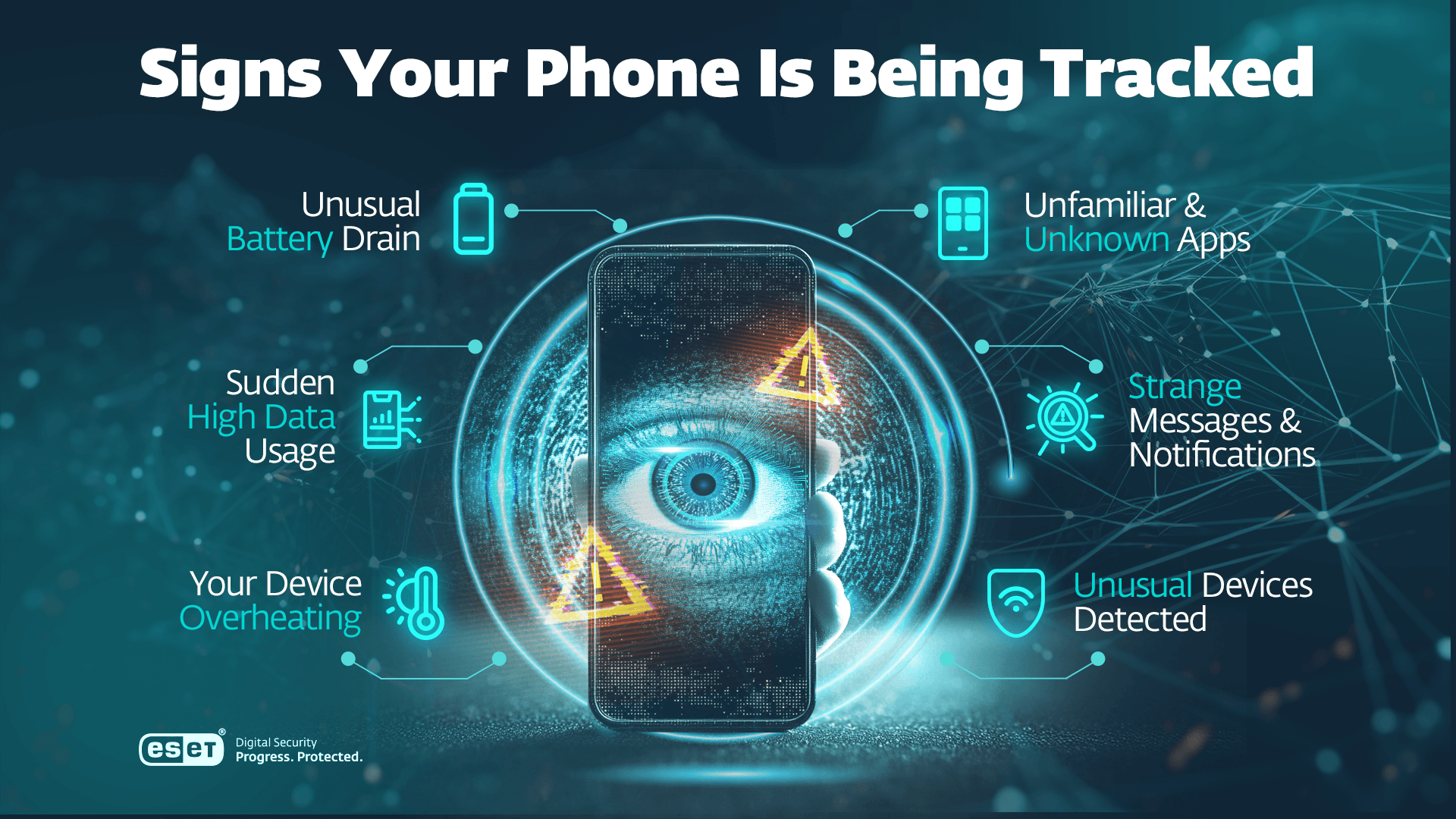
Individual action matters too. Audit your app permissions. Delete the programs you do not need. Use a VPN, turn off location services when they are not required, and remember that the free app is rarely free. Most importantly, stop pretending that surveillance is only a problem for criminals. The Constitution was written precisely because the founders understood that unchecked power eventually turns on the law-abiding.
You paid for the phone. You pay for the plan. It is past time you demanded ownership of the privacy that should come with both.