The Renewal Nobody Debated
Section 702 of the Foreign Intelligence Surveillance Act was reauthorized in a voice vote last Friday. No roll call. No floor debate worth the name. Just a procedural motion and a bipartisan agreement that the government's ability to collect communications data without individualized warrants should continue for another two years.
The program was designed to surveil foreign targets. The operational reality is different. When a foreign target communicates with an American citizen, that American's communications are collected — and stored in searchable databases that FBI agents can query without a warrant.
In 2024, the FBI conducted approximately 119,000 queries of Section 702 data targeting U.S. persons. Not suspected terrorists. Not foreign agents. U.S. persons — citizens and legal residents whose communications were swept up because they emailed, called, or messaged someone overseas.
The Fourth Amendment Workaround
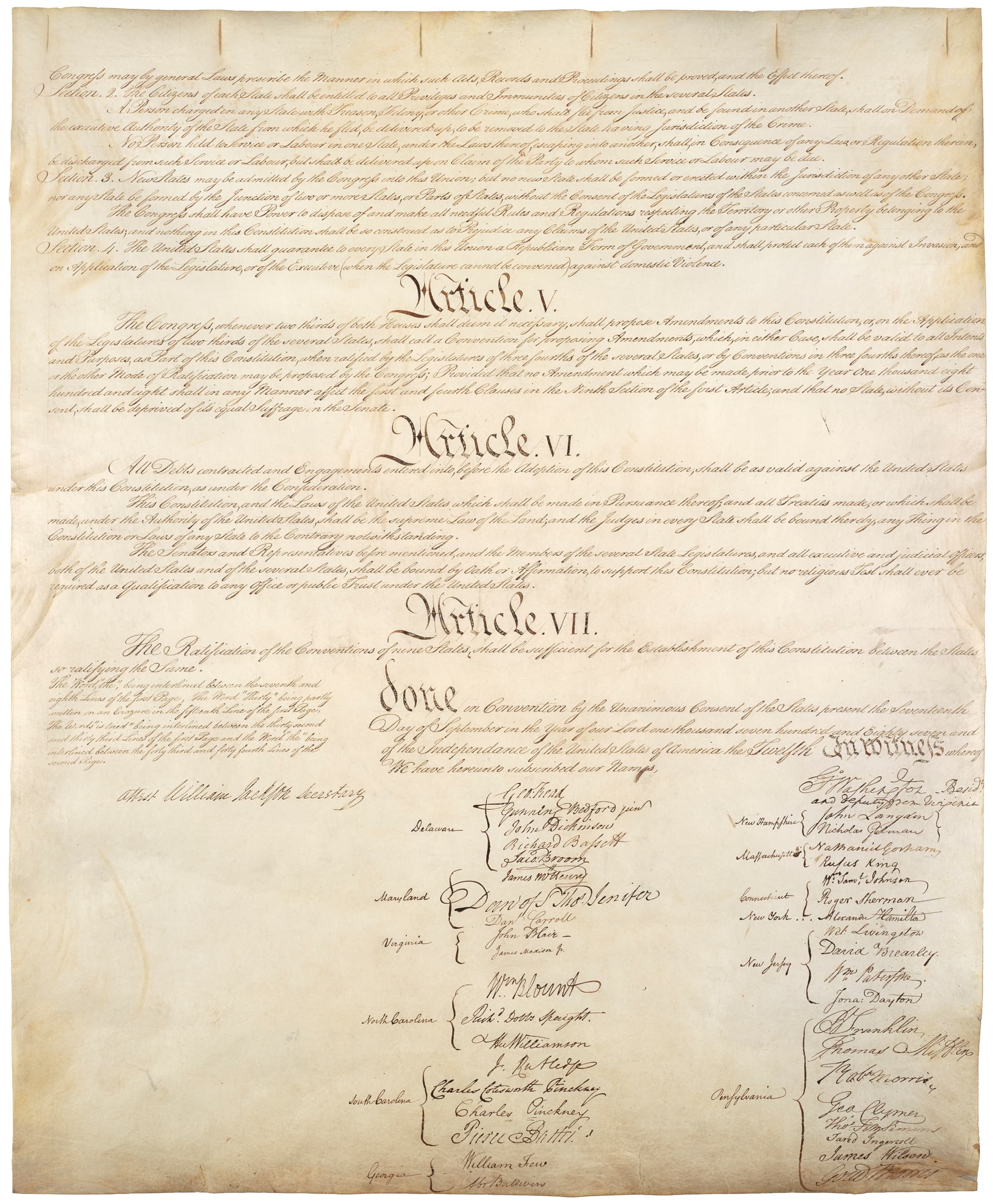
The Fourth Amendment requires a warrant supported by probable cause for searches of Americans' communications. Section 702 creates an exception: because the initial collection targets foreigners, the "incidental" collection of American communications isn't considered a search.
This is a legal fiction that the Founders would have rejected instantly. The right of the people to be secure in their papers and effects doesn't contain an asterisk noting "unless the government was looking for someone else at the time."
What Your Phone Reveals
Your phone is a tracking device you paid for. It knows where you are, who you talk to, what you read, what you buy, and where you worship. Under current legal frameworks, much of this data is accessible to government agencies through third-party doctrine, Section 702 collection, or administrative subpoenas that require no judicial oversight.
The aggregation of this data creates a profile more detailed than any surveillance system in history. The Stasi had 91,000 full-time employees monitoring 16 million East Germans. The NSA achieves comparable coverage with algorithms.
The question isn't whether the government can surveil you. It can. The question is whether there are meaningful limits on that power — and the answer, increasingly, is no.
What Needs to Change
Warrant requirements for queries involving U.S. persons. Mandatory destruction of incidentally collected American communications within a defined period. Transparent reporting of query volumes. And genuine congressional oversight — not the rubber-stamp process that just renewed the program without a debate.
Liberty isn't lost in a single dramatic moment. It's lost in voice votes on Friday afternoons when nobody's watching.