What The Rule Actually Does
The Centers for Medicare and Medicaid Services finalized a rule in March that adjusts reimbursement rates for outpatient services across roughly 220 procedure codes. The rule's overall budget impact, as scored by the Office of the Actuary, is a 0.3 percent reduction in aggregate program spending. The reduction is described in the press release as a modest rebalancing toward sustainable rates. Read that number again. The 0.3 percent number is the aggregate. The aggregate hides the distribution. The distribution is the part that matters.
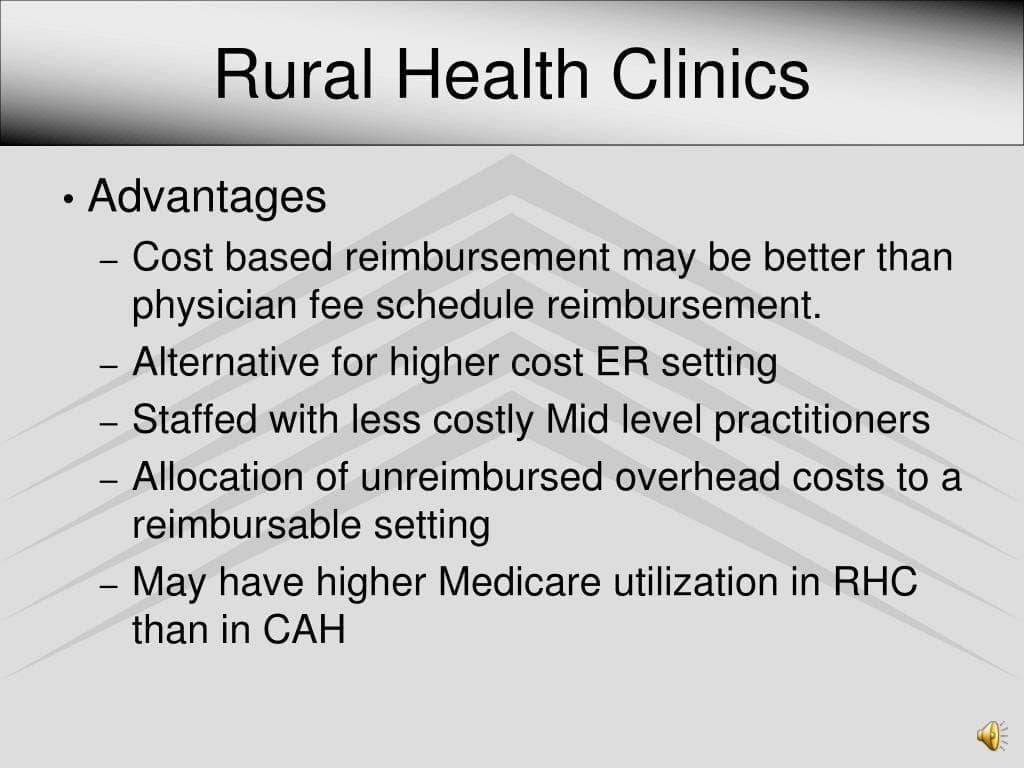
At my clinic, in a county of 12,400 people in eastern Montana, the same rule changes our specific reimbursement on the codes we bill most frequently by between 4.2 and 7.8 percent depending on the code. The five procedure codes that account for 73 percent of our revenue all fall in that range. The clinic's net margin last year was 1.9 percent of revenue. The new reimbursement levels, applied to last year's volume, would produce a margin of negative 2.6 percent. Negative margins do not run for long. Regulations do not heal patients. They close clinics.
The Three Clinics In My County
There are four clinics in my county that bill Medicare. Mine is one. The other three are run by independent practitioners or small groups in similar financial positions to my own. I have spoken with each of them in the last two weeks. Three of the four, including mine, are running the same arithmetic. The arithmetic says that absent a payer-mix shift that we cannot manufacture, a volume increase that the county's demographics do not support, or a regulatory adjustment that the rule does not contemplate, three of the four clinics close within eighteen months.
The fourth clinic is part of a regional health system that can absorb the reimbursement compression through cross-subsidy from its hospital line. The cross-subsidy model is the model the rule incentivizes because the rule was written with the cross-subsidy economics of hospital-affiliated practices in mind. The independent rural clinic, the practice form that historically has provided more than half of primary care access in counties like mine, is the practice form the rule does not protect.
What This Means For The Patients
The patients on the receiving end of the closure are not the patients who can drive to the regional hospital fifty-three miles away for routine care. The patients on the receiving end are the elderly farmer with chronic obstructive pulmonary disease who needs three visits a year for medication management. The diabetic mother of three who needs blood glucose monitoring and quarterly labs. The veteran whose anti-coagulation therapy requires monitoring that the regional hospital's clinic does not have appointment capacity to absorb. These are the patients I see every day in my clinic.
Let me tell you about a patient I saw this week. He is 71 years old, a retired wheat farmer, married for forty-eight years, walked through my door because his blood pressure cuff at home was reading higher than usual. The visit took eighteen minutes. The reimbursement under the old rate was approximately $79. Under the new rate it is approximately $74. The five-dollar difference, multiplied across the seventy-two visits like his that I had last month, is the difference between paying the rent on the clinic building and not paying it. Washington has never changed a bedpan. Washington has also never tried to pay rent on $5 differences multiplied across rural Montana volumes.
The CMS Public Comment Process
The CMS public comment process for this rule received approximately 14,000 comments. The agency's final rule document acknowledges receiving comments expressing concern about rural access. The acknowledgment does not change the rule. The agency, in its standard fashion, treats the rule as a budget-neutral rebalancing within the program's existing framework and treats the rural access concerns as outside the rule's scope.
The rural access concerns are not outside the rule's scope. The rural access concerns are the consequence of the rule's mechanism. The mechanism rebalances reimbursement in ways that hospital-affiliated practices can absorb and that independent rural practices cannot. The agency knows this. The agency's actuarial analysis includes the regional breakdown that produces the consequence. The press release does not.
The Legislative Layer
The congressional response, as of the day I am writing this, has been limited to letters from rural state senators to the CMS Administrator. The letters request reconsideration. The Administrator's office has, in its standard practice, acknowledged receipt and committed to ongoing dialogue. The dialogue does not change the rule. The rule takes effect on schedule.
The legislative remedy, if there is one, would be a rural access carve-out written into the next Medicare technical corrections bill. The bill exists in draft form in the Senate Finance Committee. The bill has bipartisan support in principle. The bill has not moved through markup. The clinics that need the carve-out will close on a timeline that the legislative calendar is not designed to match.
What I Will Do
What I will do, when the door of this clinic closes, is hand over the patient charts to the regional system, drive the seventy-two miles to the next available primary care opening for each of my patients, sit with the ones who do not have anyone else to advocate for them, and watch the county lose a clinic that has been here since 1974. I will write the letters. I will testify in the next set of hearings if anyone asks me to. I will probably end up doing rural locum work for the regional system that absorbed the closed practices in the next county over.
The reality is, the paperwork takes longer than the treatment, the regulations do not heal patients, and the rule that produces three clinic closures in my county will not be the last rule to do so. I will tell the patient I saw this week that I do not know yet where he will be getting his blood pressure checks in 2027. That is not a conversation I trained twelve years to have. It is the conversation the rule put in front of me anyway.