Read the Framework
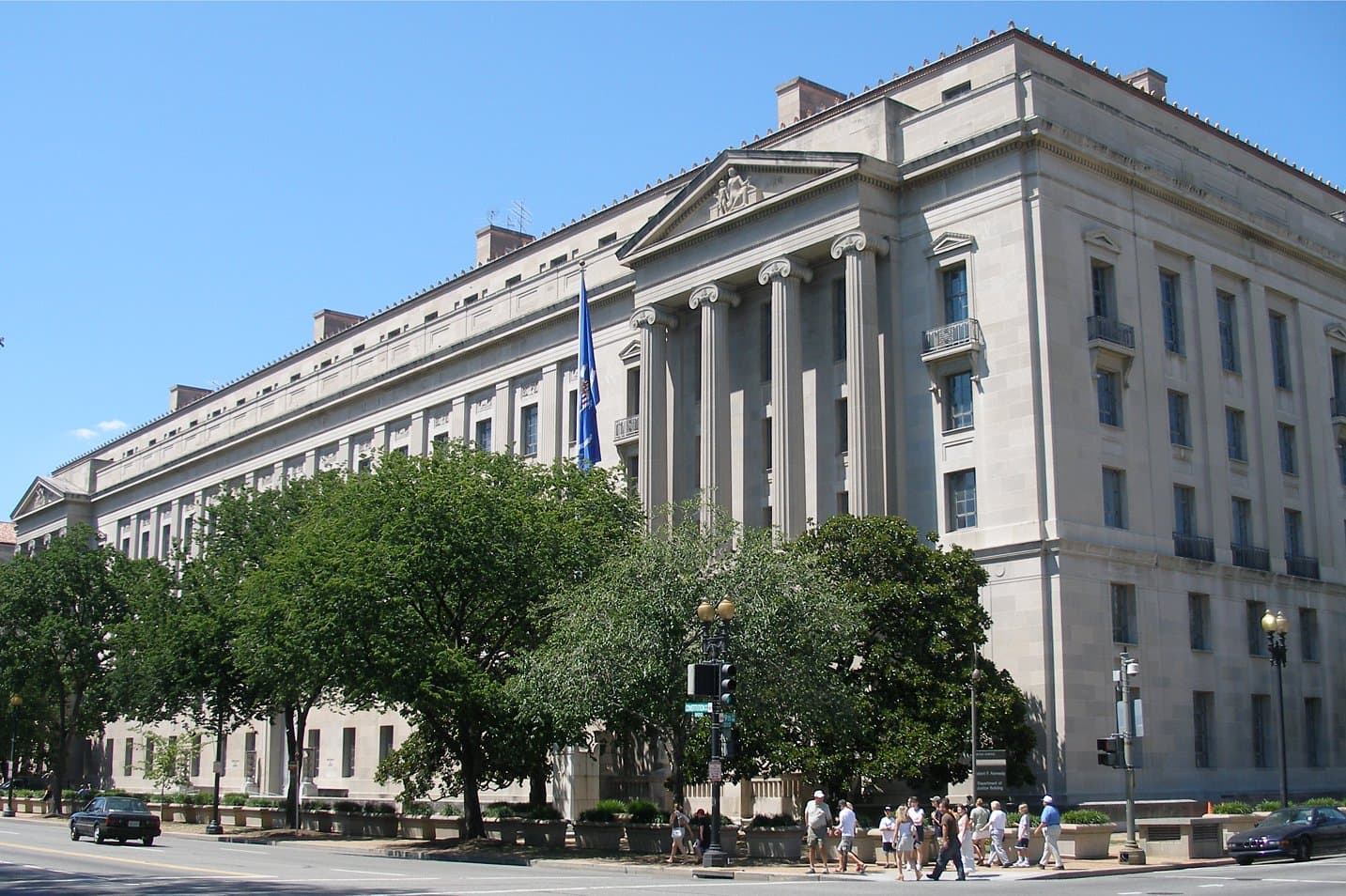
The Department of Justice released an updated "Domestic Violent Extremism" threat assessment framework last week. It runs 84 pages. The media covered the press conference. Almost nobody read the document.
I read it. All of it. And I'll tell you what I found: a definition of potential domestic extremism so broad that it functionally encompasses mainstream conservative political activity.
The framework identifies seven "threat categories." Three are uncontroversial: racial supremacism, anti-government militia activity, and targeted violence by individuals with personal grievances. These have always been on the FBI's radar and should be.
The other four are where it gets interesting. "Anti-authority ideologies" now includes what the document calls "sovereignty-focused narratives" — which encompasses not just sovereign citizen movements but also "excessive focus on government overreach" and "exaggerated distrust of federal institutions."
What "Excessive" Means
The framework doesn't define "excessive." It doesn't specify what level of distrust of federal institutions is appropriate versus exaggerated. It doesn't draw a line between legitimate political dissent and potential extremism.
This ambiguity isn't an oversight. It's the feature. A framework that clearly defined its terms would limit the discretion of the agents implementing it. An ambiguous framework gives agents maximum latitude — and maximum latitude, in the hands of a politically directed bureaucracy, means politically directed enforcement.
The Chilling Effect
You don't have to be investigated for the framework to work. You just have to know it exists. Parents who might attend a school board meeting to challenge curriculum now know that "anti-government" activity is a flagged category. Citizens who might post about immigration policy now know that "anti-immigration extremism" is a monitored topic. Voters who might question election procedures now know that "election denial narratives" are considered potential indicators.
The framework doesn't need to result in a single prosecution to achieve its purpose. It just needs to make people think twice before exercising their First Amendment rights.
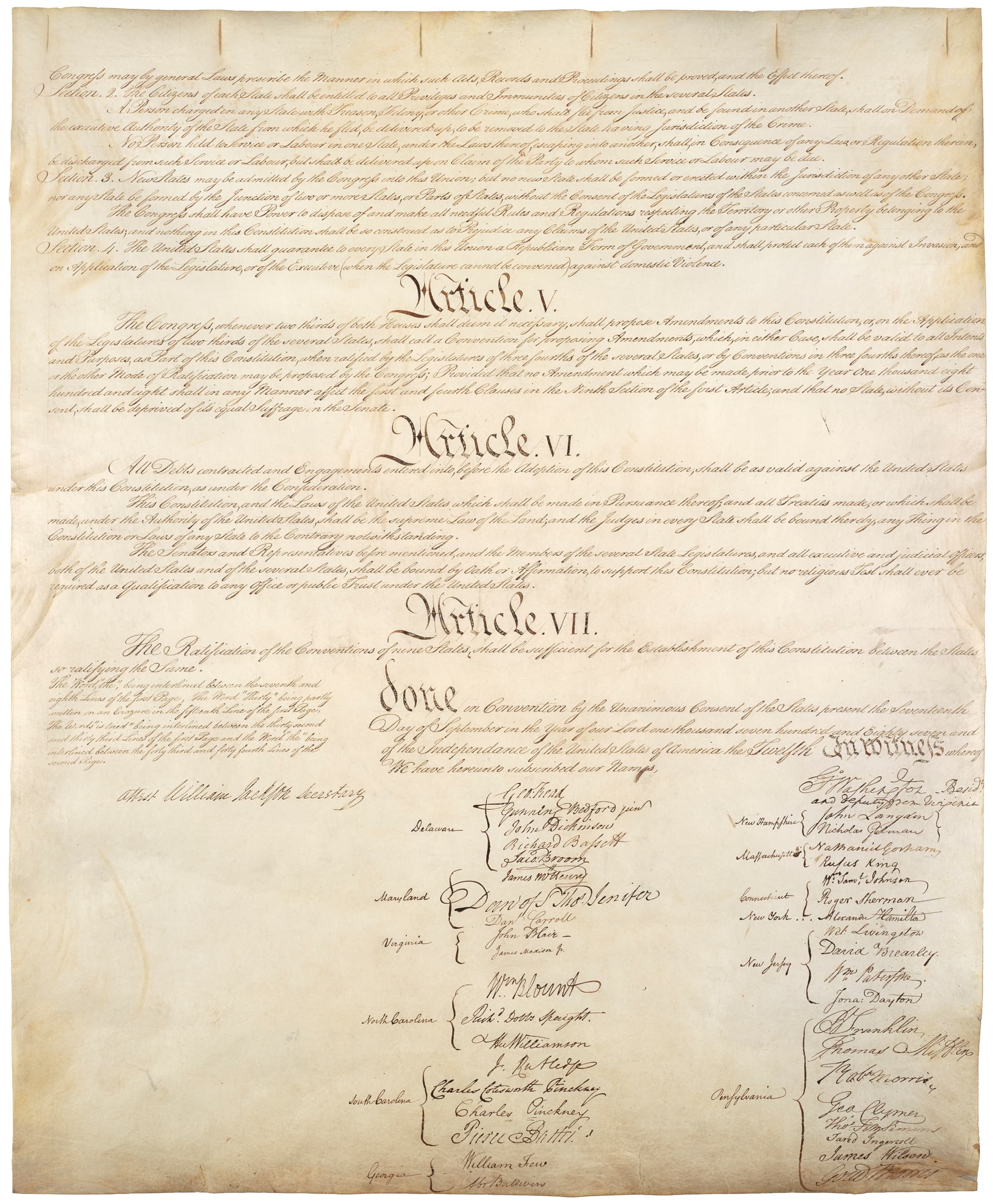
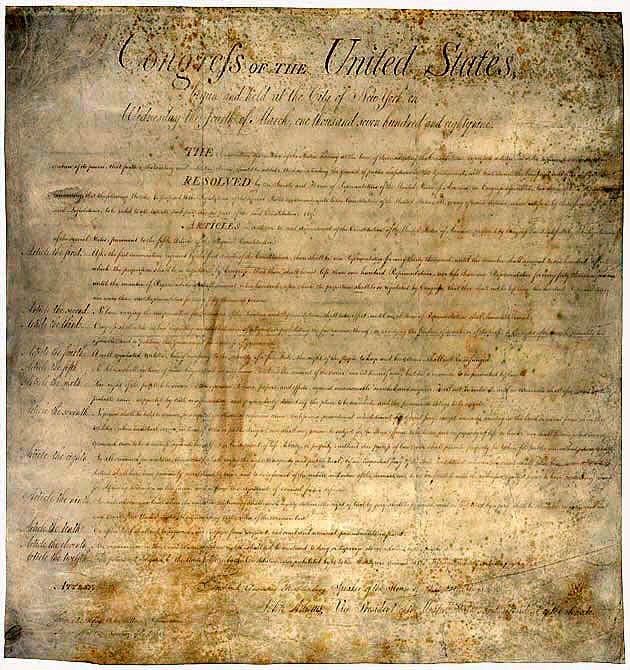
The right to petition the government for redress of grievances is not a threat indicator. It is a constitutional guarantee. When a framework treats political engagement as potential extremism, the framework is the threat.
What This Requires
Congressional oversight. Demand that the DOJ provide clear, specific definitions for every category. Require annual reporting on how many Americans are flagged under each category. And sunset the framework unless Congress explicitly reauthorizes it.
The tools we build for security have a way of being repurposed for control. The line between the two is the specificity of the rules. Ambiguous rules serve ambiguous purposes. And that should concern everyone — regardless of party.