What He Did
Regan King got up in front of people and talked about his own life. His own choices. His own faith. He said he had once identified as gay and that his relationship with Jesus Christ changed the direction of his life. He wasn't condemning anyone. He wasn't targeting anyone. He was bearing witness — which is what Christians are called to do.
For that, he faced criminal prosecution in the United Kingdom under laws that restrict so-called conversion therapy. He faced the possibility of jail time. He faced a system that looked at his personal testimony and decided it constituted harm.
The jury found him not guilty.
Thank God. Literally.
This Is Not a UK Problem
I know what some people are thinking. That's Britain. That's not here. We have the First Amendment. We're fine.
We are not fine.
As of early 2026, more than 20 US states plus the District of Columbia have enacted laws restricting conversion therapy. The specific contours vary, but the underlying logic is identical to what put Regan King in a courtroom: that speaking about certain religious and personal convictions regarding sexuality constitutes harm that the state has an interest in preventing. California's version explicitly prohibits licensed counselors from helping minors who voluntarily seek help aligning their behavior with their faith. Voluntarily. The kid wants the counseling. The family wants it. Their pastor wants it. The state says no.
I grew up in a small Baptist church in eastern Tennessee. I watched a teenage boy in our congregation — I'll call him Marcus, that's not his name — struggle for years with same-sex attraction while genuinely, sincerely wanting to pursue a life consistent with his Christian convictions. He didn't want to be gay. Not because anyone told him to feel that way, but because his own faith and his own reading of Scripture led him there. He deserved the right to pursue that path with professional support if he chose it. In California, he couldn't. His choice, his faith, his therapist's license — all subordinate to the state's preferred ideology.
That's not tolerance. That's a different kind of compulsion.
The Testimony That Shouldn't Be Controversial
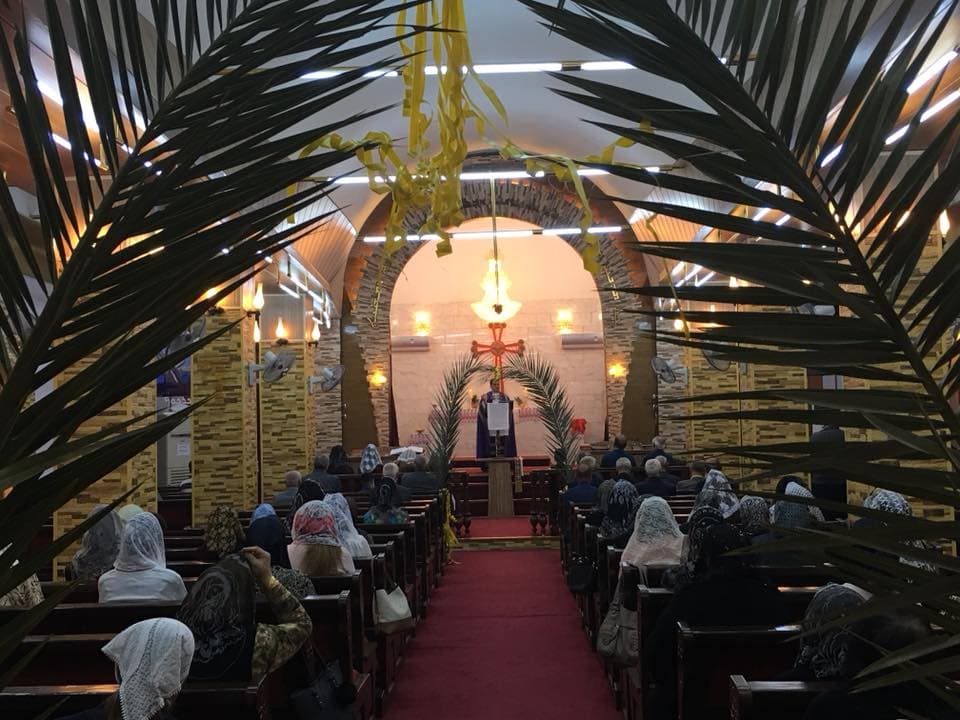
What Regan King did in the UK — and what thousands of Christians do every Sunday in churches across America — is called testimony. It's one of the oldest and most protected forms of religious expression in Western civilization. You tell people what happened to you. You tell them what God did in your life. You invite them to consider whether the same might be available to them.
The progressive legal theory being applied to cases like King's holds that testimony about leaving an LGBT identity is inherently harmful because it implies that LGBT identities are something to be left. This is circular reasoning dressed up as compassion. If someone's authentic experience is that their faith changed their sexuality or their behavior, silencing that experience doesn't protect anyone — it just enforces an ideological orthodoxy about which life stories are permitted to be told.
The First Amendment case here is actually quite strong. In 303 Creative v. Elenis, decided in 2023, the Supreme Court ruled 6-3 that the government cannot compel speech. The principle cuts the other way too — it protects the right not to be silenced. Religious testimony about one's own life is squarely within the speech protections the founders enumerated. The question is whether courts will hold that line as state legislatures keep pushing.
What the Verdict Means — and Doesn't
The jury's not guilty verdict in King's case is a relief. But it's not a resolution. He still had to endure arrest, investigation, legal proceedings, and public exposure. The process itself was the punishment. That's how speech suppression works in a sophisticated legal system — you rarely need to win the case to chill the behavior. The threat is enough.
Christian ministers, counselors, and laypeople across the English-speaking world are watching what happened to Regan King and making calculations about what they say and don't say. Some will self-censor. Some will modify their testimonies. Some will decline to counsel people who come to them for help. The state wins those cases without ever filing charges.
American Christians shouldn't be watching the UK as a cautionary tale from a safe distance. The legal infrastructure for exactly this kind of prosecution is already being built here — at the state level, in professional licensing boards, in bar associations, in medical ethics committees. It's slower here because the First Amendment raises the cost. But the pressure is real.
Regan King stood up. He told the truth about his own life. And twelve ordinary people looked at the evidence and said: that's not a crime.
Hold that line. Because the people who want it to be a crime haven't stopped trying.