What The Recent Assessments Show
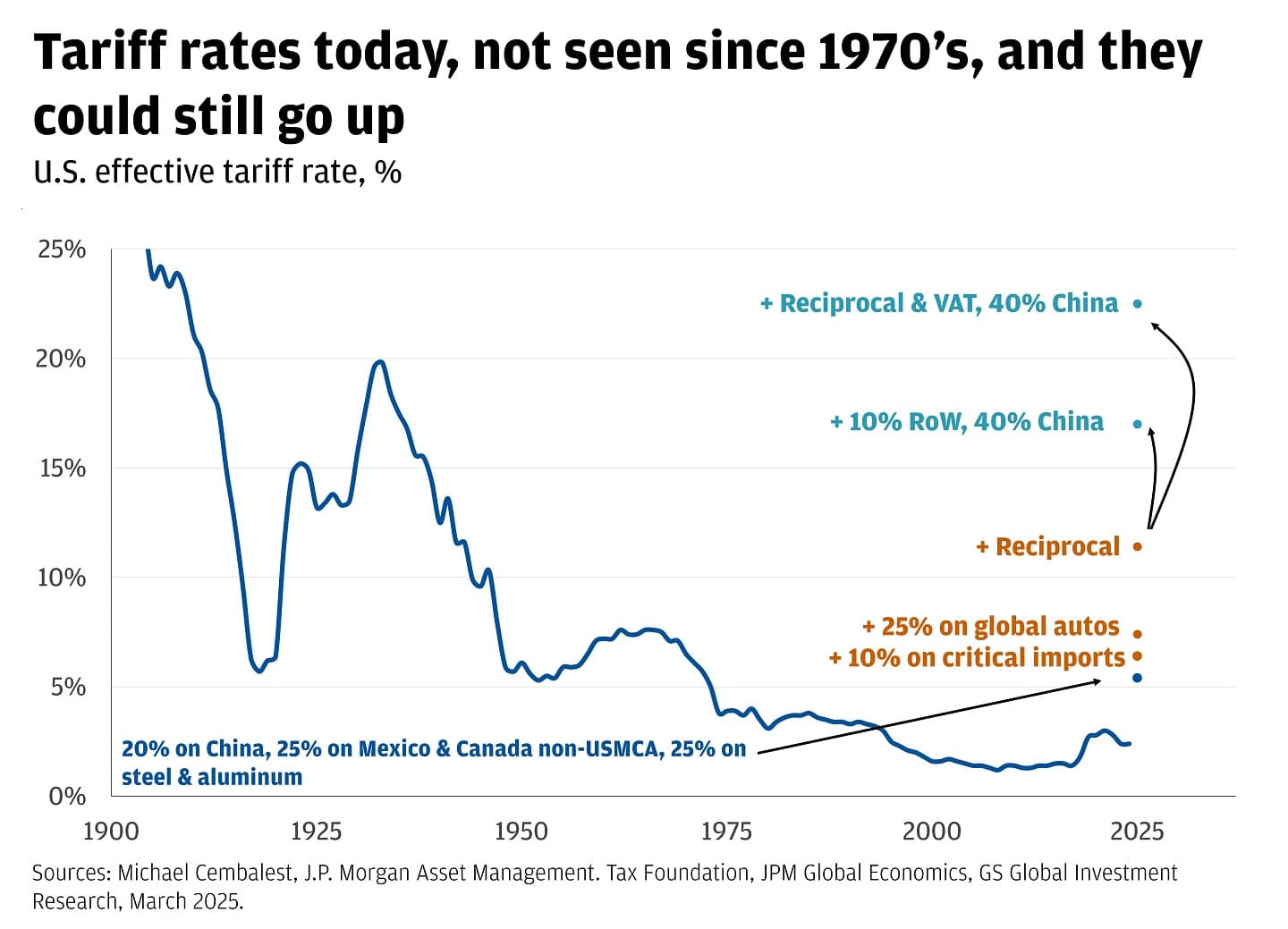
The Congressional Budget Office released its updated assessment of the tariff strategy's effects on domestic manufacturing in mid-April. The Federal Reserve's working paper series published a related analysis in the following week. The two assessments examine, with their respective methodological frameworks, the question of whether the tariff strategy has produced the domestic production response the strategy was designed to produce. The findings are more favorable to the strategy than the strategy's critics anticipated when the tariff schedules were first announced.
The CBO's assessment finds, in its central estimate, that domestic manufacturing employment in the protected categories has grown by approximately 280,000 net positions over the trailing thirty months, with approximately 67 percent of the growth attributable to the tariff strategy itself and the remainder attributable to broader economic conditions. The estimate is bounded by confidence intervals, in the standard CBO practice. The lower bound of the confidence interval still indicates net positive employment effect. The data is the data.
The Categories Where The Effect Is Strongest
The categories where the tariff strategy has produced the strongest production response are the categories the strategy's critics had argued would not respond. Steel and aluminum, the two largest categories by dollar volume of imports under tariff, have seen domestic production grow at rates that exceed the strategy's own initial projections. Semiconductor packaging and certain categories of advanced manufacturing equipment have seen comparable responses. The pattern is consistent. The pattern does not match the critics' pre-implementation predictions.
The categories where the response has been weaker are categories the strategy contemplated would respond more slowly. Consumer electronics manufacturing has seen modest response. Certain categories of textiles have seen response that lags the broader pattern. The lag in these categories reflects, in the assessments' framing, the cost-structure realities of bringing production back into a domestic labor market that has not been the production location for these categories in three decades.
The Consumer Price Effect
The consumer price effect of the tariff strategy has been the headline argument that the strategy's critics have used most consistently. The argument predicted that tariffs would translate into materially higher consumer prices in the protected categories. The empirical record, by the CBO's measurement, shows that consumer prices in the protected categories have risen by approximately 4 to 7 percent above the trend that prevailed before the tariff schedules took effect. The increase is real. The increase is also smaller than the critics' central projection, which placed the increase in the 12 to 18 percent range.
The smaller-than-projected price effect reflects, in the assessment's analysis, three factors. The first is supply-side substitution, in which domestic and other-country producers have absorbed some of the cost differential rather than passing it through. The second is consumer substitution, in which buyers have shifted toward categories whose price effect is smaller. The third is the underlying competitive dynamics in the affected industries, which have constrained the pass-through to a degree that the critics' models did not adequately incorporate.
The Investment Response
The investment response is the response that matters most for the strategy's durable effect. The CBO assessment finds that fixed investment in the protected categories has grown by approximately 18 percent above trend over the trailing thirty months. The Federal Reserve working paper, using a different methodology, finds a comparable result in the 14 to 21 percent range. The investment response is, in any reasonable interpretation of the data, the kind of response the strategy was designed to elicit.
The investment is, structurally, the variable that determines whether the strategy's effects persist beyond the trade-policy window. Investment-driven productive capacity, once built, has economic life cycles that exceed the political life cycles of the policies that incentivized it. The investment now in place will continue to produce in domestic facilities regardless of subsequent trade-policy decisions. The capacity is the durable consequence.
What The Critics Got Wrong
The critics of the strategy got several specific predictions wrong. They predicted that domestic producers would not respond to the protected price environment with new investment, on the theory that the political reversibility of tariffs would discourage long-cycle investment. The investment data contradicts the prediction. They predicted that the consumer price effect would be sufficient to produce sustained political pressure against the strategy. The consumer price effect has been smaller than projected, and the political pressure has been correspondingly smaller. They predicted that international retaliation would damage the strategy's net effect on U.S. exports. The retaliation has been less broad than projected, and the export effect has been more modest than the critics anticipated.
The critics' predictions were not unreasonable in 2018, when the strategy was first being articulated. The critics' predictions were grounded in the prevailing economic policy consensus that the trade liberalization era had institutionalized. The consensus, in its core analytical claims, has been substantially undermined by the empirical record the assessments are now documenting. To put it plainly, the consensus was wrong about specific predictions that the data has tested. The data has tested the consensus. The consensus has not survived the test in its core analytical form.
The Forward Read
The forward read on the tariff strategy is that the strategy's structural effects will persist regardless of subsequent political reversals. The investment in place will continue to produce. The workforce trained in the new production facilities will continue to develop the institutional knowledge that domestic manufacturing requires. The supplier ecosystems that have begun to reconstitute will continue to mature on the timeline that ecosystem reconstitution requires.
One might observe that the strategy's success in the categories where it has worked does not, in itself, validate the strategy in categories where it has worked less well. The observation is correct. The honest read is that the strategy has worked materially better than its critics predicted in the categories where the underlying conditions supported the response, and has worked less well in categories where the underlying conditions did not. The market has a way of correcting political fantasy. The market is also, in this case, correcting the analytical fantasy that organized economic policy commentary for the prior thirty years. The data is the data. Respectfully, the consensus class will have to update.