Your Receipt Doesn't Lie
You know what? I'm tired of being told the economy is improving by people who don't buy their own groceries.
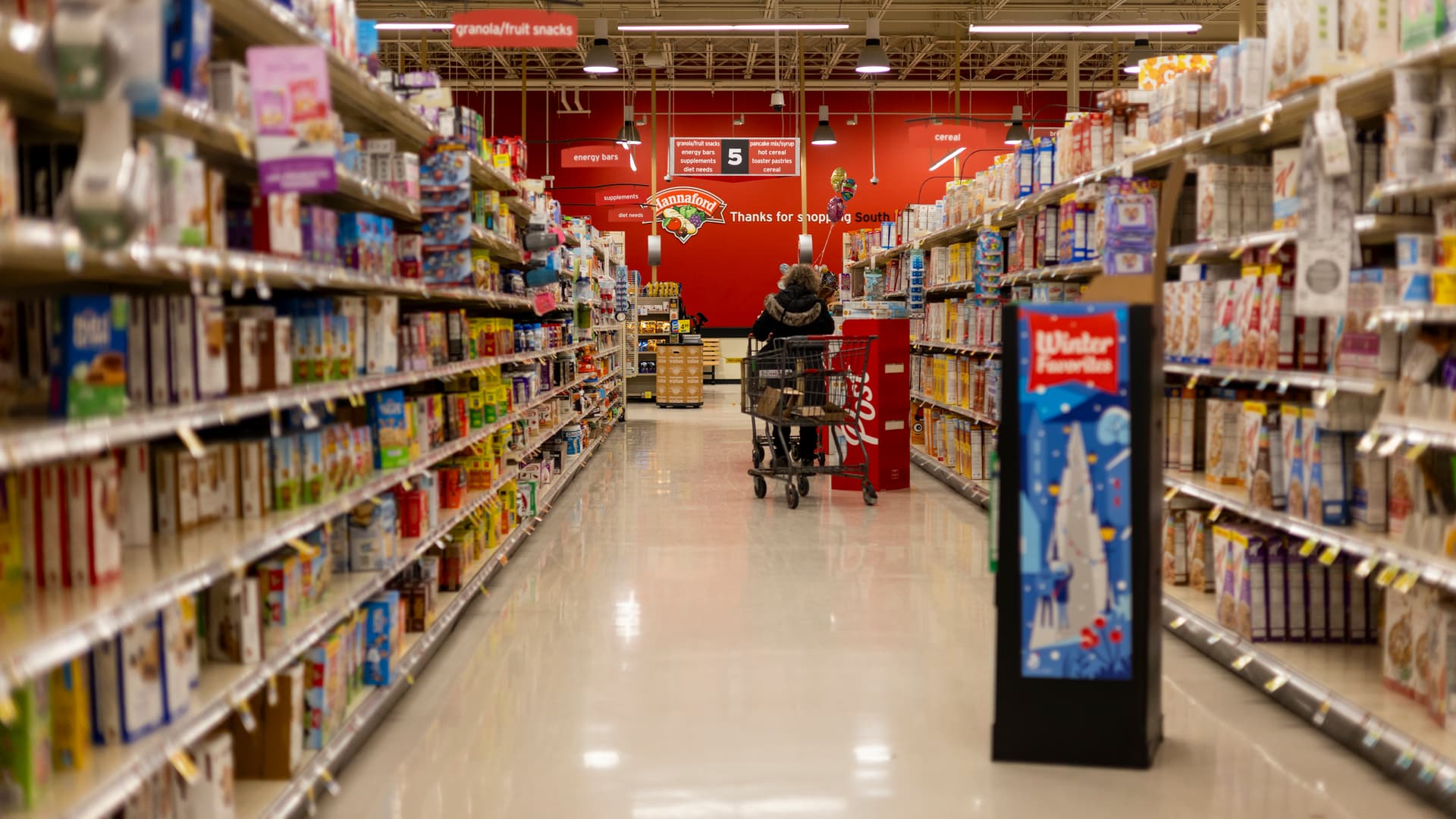
Here are the numbers — not the CPI, which is a weighted average designed to smooth over the things that hurt most, but the actual prices at the actual store where actual families shop. Ground beef: up 28% since January 2021. Eggs: up 43%. Bread: up 19%. Milk: up 22%. Fresh vegetables: up 17%. Baby formula: up 31%.
These aren't luxury items. This is dinner. This is what you feed your kids. And when some economist goes on television and talks about "disinflation" — meaning prices are still rising, just more slowly — the family trying to keep groceries under $800 a month doesn't feel the improvement.
The Measurement Problem
CPI uses "hedonic adjustment" — a methodology that reduces the measured price increase when the government determines a product has improved in quality. Your car costs $8,000 more than it did five years ago, but because it has a backup camera and a better sound system, the CPI registers a smaller increase. The price on the sticker didn't change. The statistician's interpretation did.
Shelter costs — which account for roughly one-third of CPI — use "owners' equivalent rent," a hypothetical measure of what homeowners would pay to rent their own homes. It's not an actual price anyone pays. It's an estimate derived from a survey.
When the methodology is designed to minimize the measured impact of inflation, it's not surprising that the official numbers diverge from lived experience.
Who Gets Hurt
Inflation is a regressive tax. Wealthy households spend a smaller percentage of income on food, energy, and housing. Working-class families spend 60-70% of their income on these categories. A 23% increase in grocery prices represents $2,400 per year for a family of four — money that comes directly from savings, from discretionary spending, or from debt.
My father drove a delivery truck. My mother stretched every dollar. They'd understand these numbers in their bones. They wouldn't need an economist to explain what $200 more per month in groceries means.
Trabajo duro — hard work — is supposed to get you ahead. But when the price of everything rises faster than your paycheck, hard work just keeps you in place. That's not the American Dream. That's a treadmill.
What Needs to Change
Honest measurement. Transparent methodology. And policy that acknowledges what every family already knows: inflation isn't a number in a report. It's the gap between what you earn and what things cost. That gap is wider today than it's been in a generation.
The "vibes" are bad because the prices are real. That's the truth.