I'll spare you the geopolitical chess match. You can get that from cable news. What I want to talk about is the part they always save for the last thirty seconds of the broadcast — the part where it hits your bank account.
The United States just went to war with Iran. Bombs are falling on Tehran, missiles are flying at American bases across the Gulf, and the Strait of Hormuz — that skinny little waterway that a third of the world's oil passes through — could close at any moment. Here's what that means for you, right now, in plain English.
The Gas Pump
Gas prices are going up. The only question is how much. Oil was already up 22 percent before the first bomb fell. Analysts are projecting another 5 to 10 percent jump when markets open Monday. Every dollar increase in crude oil adds roughly two cents per gallon at the pump within two to three weeks.
If you're paying $3.20 a gallon today, you could be looking at $3.80 by mid-March. If Iran closes the Strait of Hormuz — and they've already practiced doing exactly that — we're talking $4.50 to $5.00 nationally, with California and the Northeast pushing well past that.
That's an extra $30 to $50 per fill-up for the average family. Do the math on a monthly basis and it's real money — $120 to $200 a month that comes straight out of the grocery budget, the kids' activities, or the emergency fund you've been meaning to build.
The Grocery Store
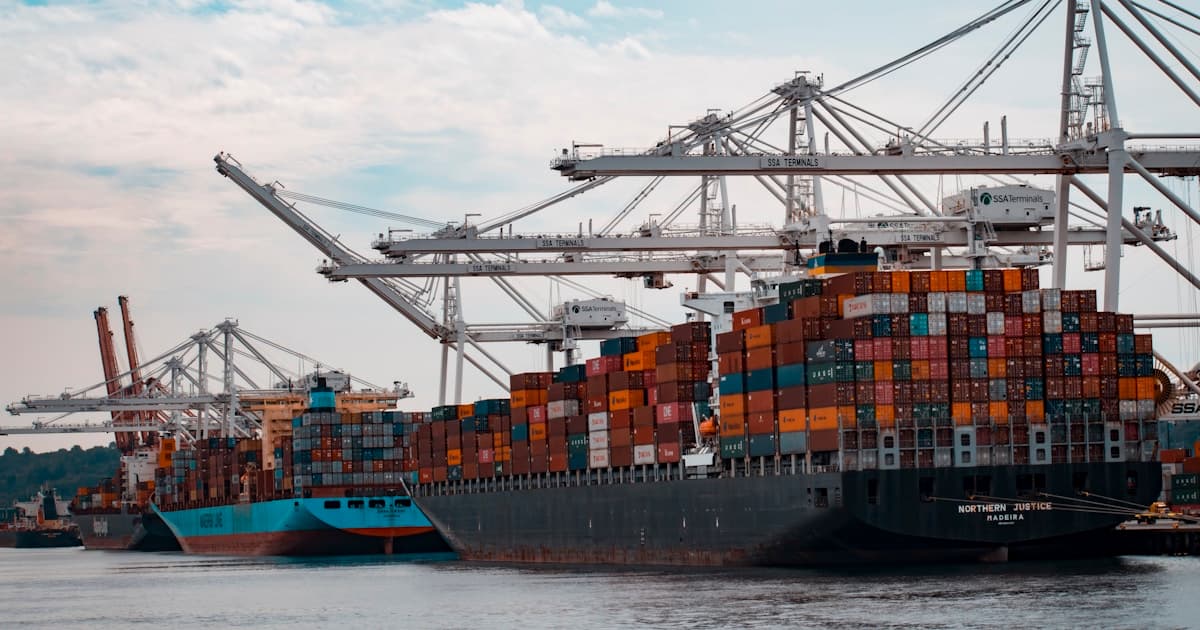
Everything in your grocery cart rode there on a truck. Trucks run on diesel. Diesel tracks crude oil. When crude spikes, diesel spikes, and the cost of moving every single item in the supply chain goes up with it.
Fertilizer — the stuff that grows the food — is manufactured using natural gas, which is also traded through Gulf infrastructure. If energy costs spike, next season's planting costs spike with them, and those costs show up in food prices six to twelve months down the line.
We're already seeing food price inflation that has families cutting portion sizes and switching to store brands. A sustained oil shock could push grocery bills up another 5 to 8 percent by summer.
Your 401(k)
Don't check it Monday. I'm serious.
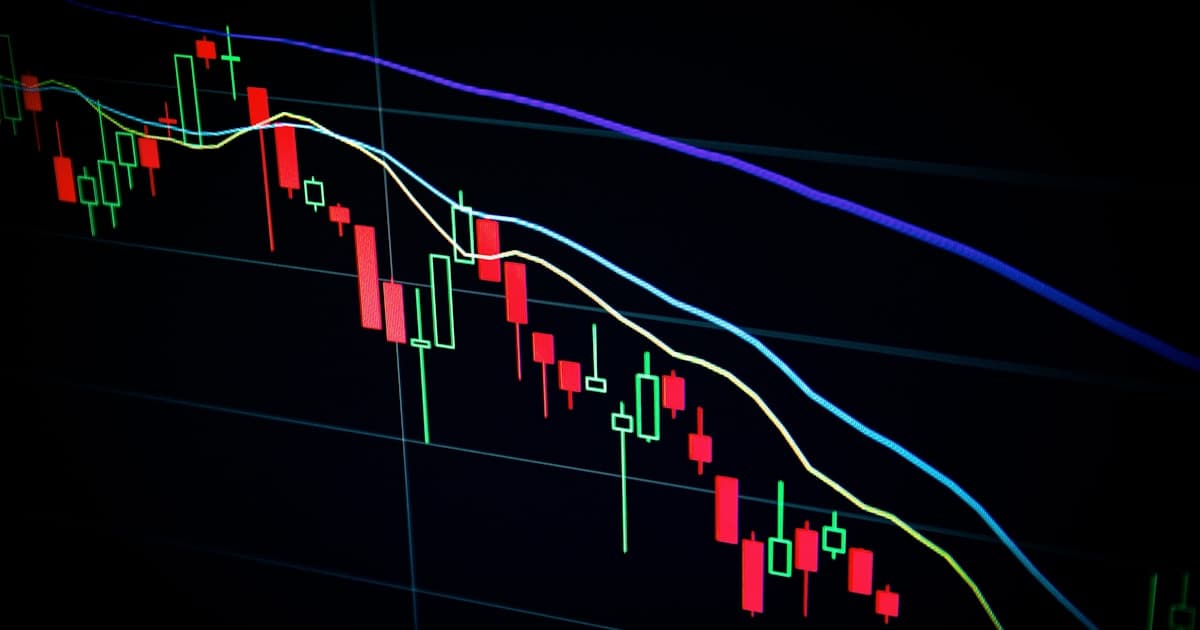
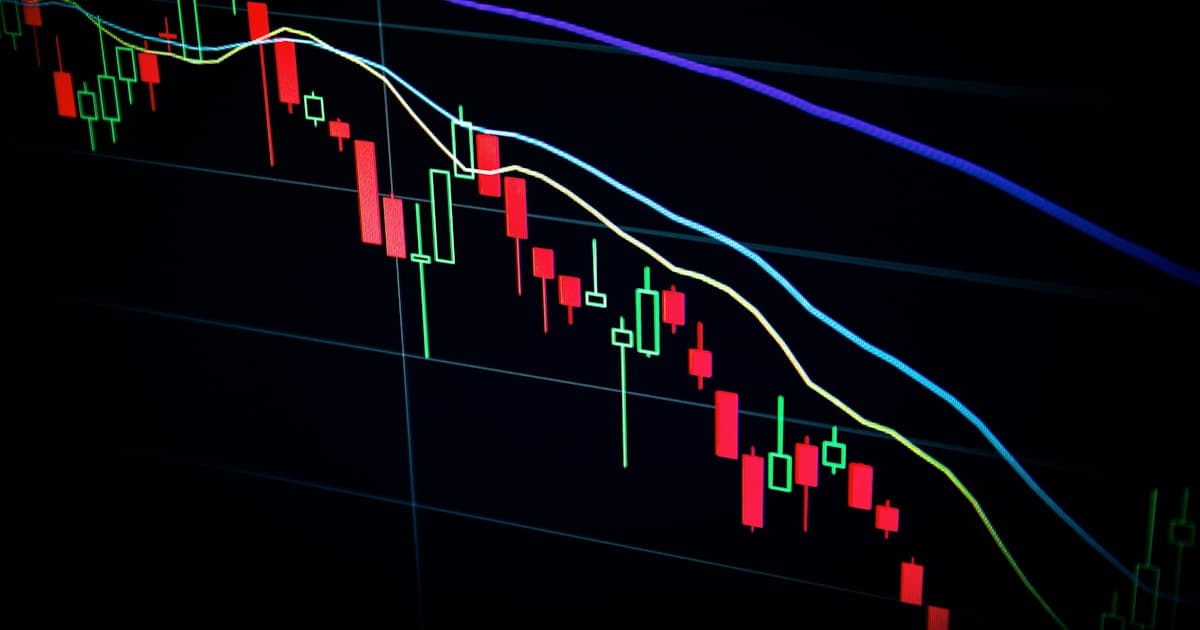
Analysts expect global equities to open down 1 to 2 percent or more. Defense stocks will rally. Energy stocks will surge. But the broad market — the index funds and target-date funds that make up most retirement accounts — is going to take a hit.
History offers some comfort here. Markets tend to sell off sharply at the onset of military conflicts and then stabilize within weeks as the initial shock fades. The key variable is duration. If Shield of Judah remains a limited strike campaign, markets will recover. If it escalates into a prolonged conflict with sustained Hormuz disruption, we're looking at a fundamentally different economic environment.
What You Can Do
Fill your tank this weekend. Not because panic buying helps — it doesn't — but because Monday's prices will be higher than today's, and there's no reason to pay more for the same gallon of gas.
Review your household budget with the assumption that gas and groceries will cost 10 to 15 percent more for the next three to six months. Build in that cushion now rather than being surprised later.
Do not panic-sell your retirement investments. Every market downturn in American history has eventually recovered. The people who lose money are the ones who sell at the bottom and buy back at the top. Stay the course.
And pray. Pray for the troops in the Gulf, for the Iranian civilians caught in the crossfire, and for leaders wise enough to find an off-ramp before this becomes something none of us can afford.