The Recruitment Crisis Meets the Contingency
The Department of Defense's classified Taiwan contingency plans assume force levels that the military cannot currently generate. This is not speculation — it is the unavoidable conclusion of comparing recruitment numbers with operational requirements.
The Army missed its recruiting target by 15,000 in FY2025 — the third consecutive year of significant shortfalls. The Navy missed by 6,100. The Air Force missed by 3,400. Only the Marine Corps met its target, and only by reducing its end-strength requirement.
These aren't numbers from a peace dividend drawdown. These are shortfalls during a period of rising global tensions, when the case for military service should be most compelling.
What a Taiwan Scenario Requires
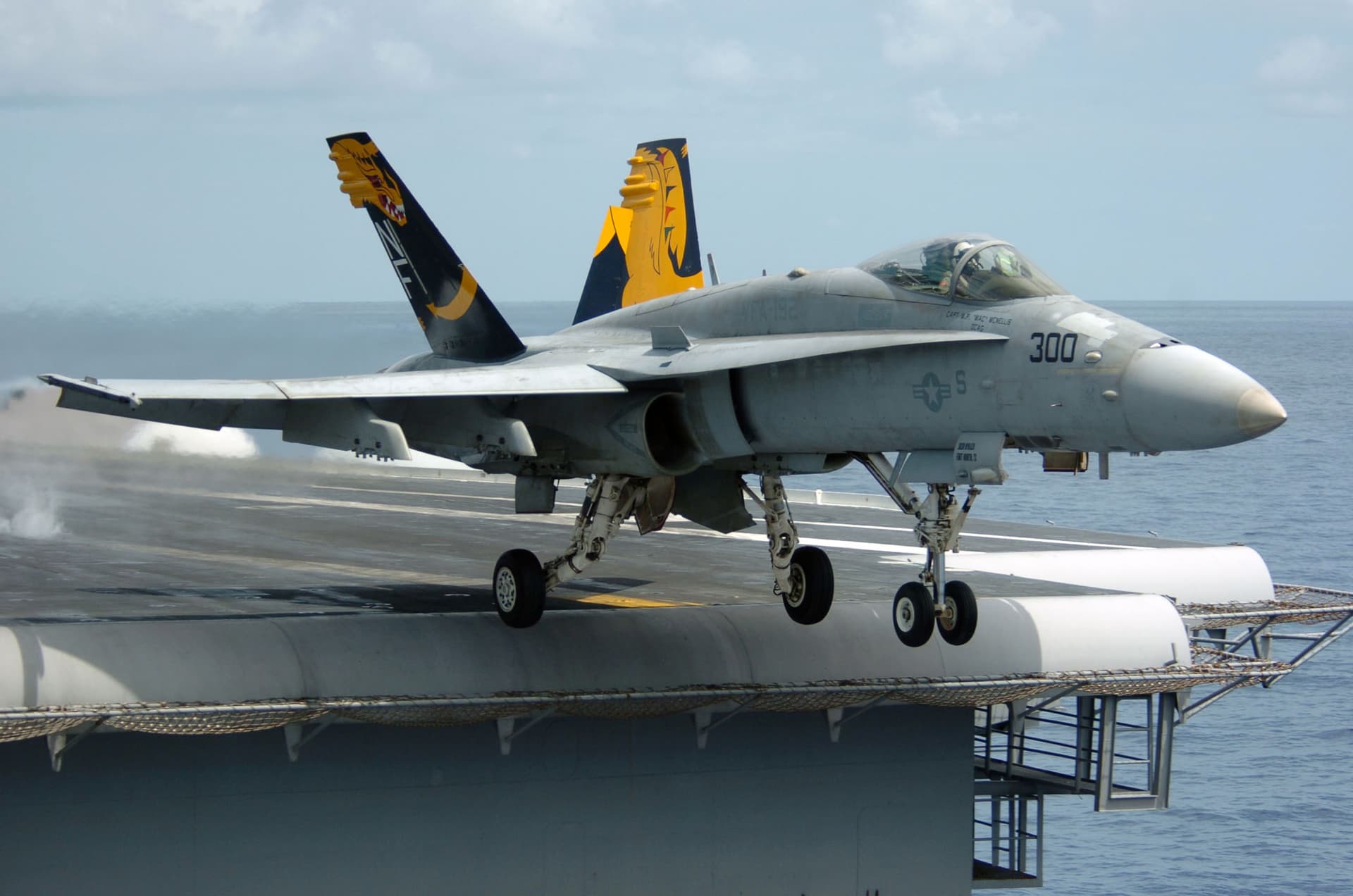
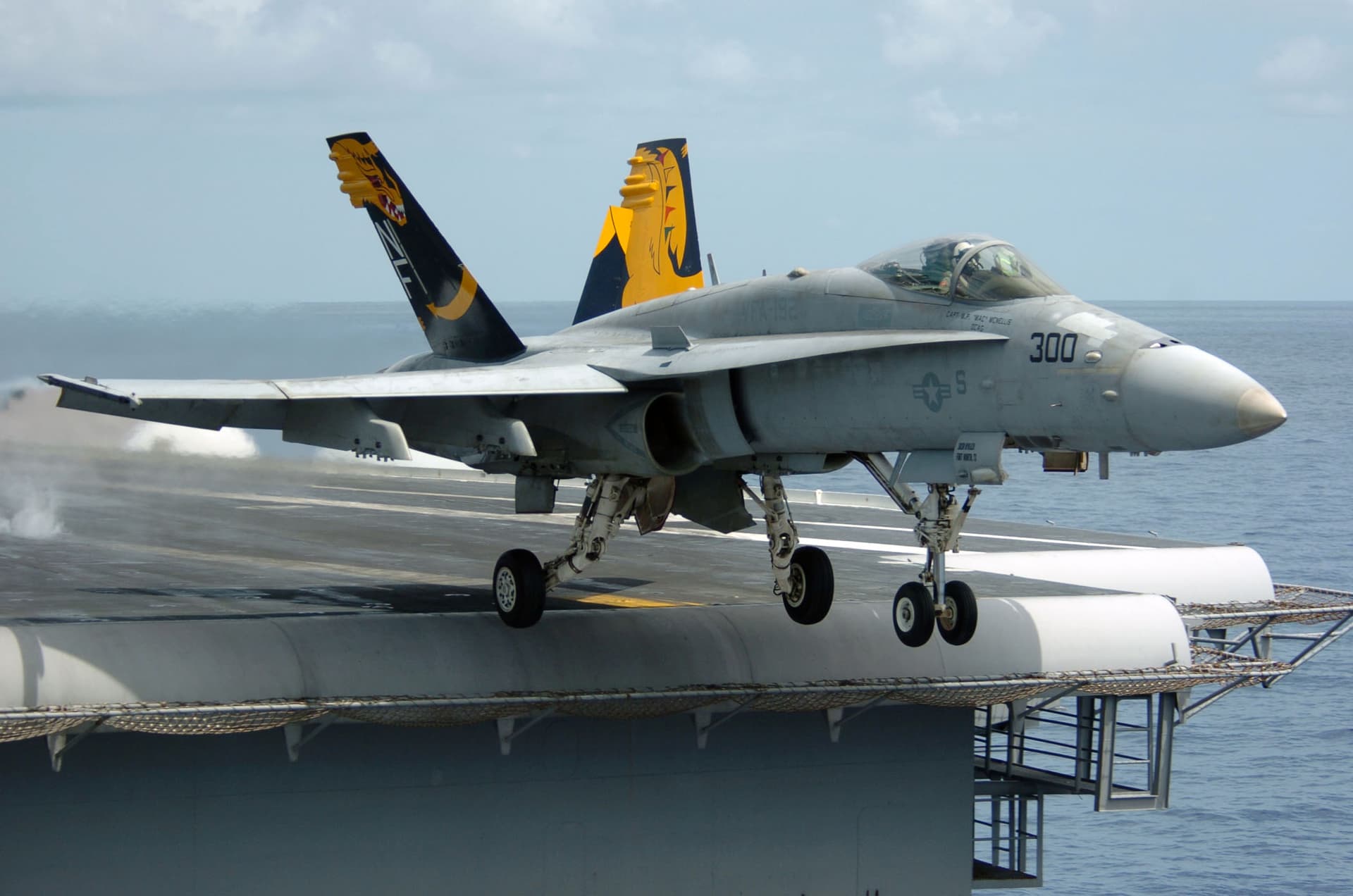
Without disclosing classified planning details, the general requirements of a Taiwan defense scenario are publicly understood. It would require: sustained air operations from multiple Pacific bases and carrier strike groups. Submarine operations to interdict Chinese naval forces. Long-range strike missions consuming precision munitions at rates exceeding current inventories. Logistics sustainment across 7,000+ miles of Pacific supply lines. And potentially ground forces for island defense.
Each of these requirements translates to personnel: pilots, maintenance crews, submariners, logistics specialists, cyber operators, intelligence analysts, and combat troops. The personnel pipeline — recruitment, training, and deployment — takes 12-36 months depending on specialty.
In a crisis that escalates over weeks, not years, the force you have is the force you fight with. And the force we have is smaller, older, and less experienced than the plans assume.
The Retention Problem
Recruitment gets the headlines. Retention is the bigger problem. Mid-career officers and senior NCOs — the experienced personnel who train junior troops and lead units in combat — are leaving at elevated rates. The military's quality of life, operational tempo, and compensation relative to civilian alternatives have all deteriorated.
A nuclear submarine requires years of specialized training for its crew. A fighter squadron depends on experienced maintenance chiefs who take a decade to develop. These aren't positions you fill with a signing bonus and a six-month training course.
You can't deter a conflict with the force you plan to build. You deter with the force you have. And the force we have is not the force our plans require.
What Needs to Change
Military compensation must be competitive with civilian alternatives — not in base pay alone, but in housing, healthcare access, and family support. Operational tempo must be sustainable. And the military's leadership culture must adapt to retain talent that has options.
The contingency plans are only as good as the people who execute them. Right now, we don't have enough of those people. And pretending otherwise is the most dangerous form of strategic planning.