The Clock Is Running
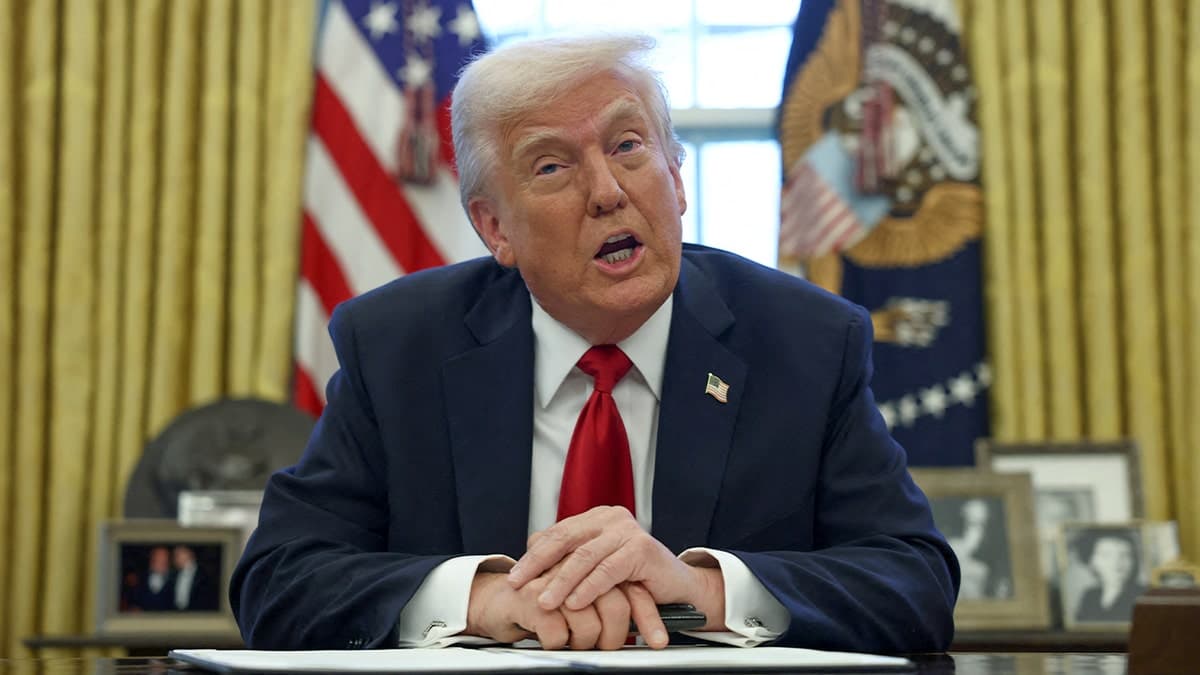
President Donald Trump returned to the White House determined to move faster than the Washington establishment could absorb. That urgency was not cosmetic. Within his first ten days back in office, he signed more executive actions than any president since Franklin Roosevelt. The number matters because it signaled a simple conviction: the country does not have four years to wait for bureaucrats to notice that the border is open, that energy prices are crushing working families, and that America has been taken for a fool by allies and adversaries alike. The Biden years moved at the pace of a focus group. Trump promised to move at the pace of a chief executive who actually believes the job is urgent. That energy is why voters sent him back. It is also the quality most likely to trip him up, because speed without direction is just noise, and noise is what Trump's enemies have always used to paint conservatism as chaos.
Urgency as a Weapon
There is a difference between speed and recklessness, and Trump has always known it. His 2016 campaign moved faster than the pundits tracking it. His first administration broke decades of diplomatic inertia, moving the American embassy to Jerusalem, renegotiating NAFTA, and rebuilding the military after years of sequestration. The second time around, the stakes are higher. The national debt has crossed $37 trillion. Inflation, while cooling from its 2022 peak, still sits above the Federal Reserve's target, and grocery bills remain a monthly insult to anyone filling a cart. Meanwhile, the southwest border saw roughly 150,000 migrant apprehensions in 2025 after the administration reinstated enforcement tools that the previous White House had shelved. Working Americans do not need another commission. They need a president who treats the border like a national emergency, the debt like a moral failing, and inflation like the thief it is. These numbers explain why Trump's supporters do not want caution. They want action.
The political benefit is real. A Gallup survey taken in early 2025 showed 47% of Americans approving of Trump's handling of the economy, a figure that improved as markets responded to deregulation and domestic energy production. Urgency creates momentum, and momentum makes opponents defensive. When Trump moves quickly on tariffs, on federal spending, or on foreign policy, he forces the press and the opposition to react on terrain he has chosen. Democrats who spent years claiming the border was secure suddenly had to explain why enforcing the law was controversial. That is the art of the presidency: setting the agenda rather than explaining why you failed to set one. Every day that Washington spends answering Trump's latest move is a day it is not advancing the progressive agenda that was supposed to be unstoppable.
When Haste Becomes Hubris
Yet urgency curdles into impatience when it ignores the institutions that separate reform from chaos. The Constitution does not slow presidents down out of cruelty. It slows them down so that major changes survive the next election and the one after that. A policy imposed by executive order can be erased by the next executive order. A policy passed by Congress and upheld by courts becomes the law of the land. Trump has sometimes treated every obstacle, including courts and Congress, as a personal insult rather than a constitutional feature. That impulse produced some of the most damaging moments of his first term, from the rushed rollout of the travel ban to the impulsive firing of James Comey, which turned a manageable investigation into a years-long special counsel probe.
The risk in the second term is that impatience will undermine the very legacy Trump wants to build. A tariff announcement sent by social media at midnight can roil markets and alienate allies before the policy has been staffed out. A dismissal of a federal official may feel satisfying in the moment, but if it bypasses statutory protections it invites litigation that stalls the broader agenda for months. A premature declaration of victory can turn a partial success into a public relations defeat. Conservatives who believe in limited government should be the first to insist that procedure is not the enemy of progress. It is the scaffold that keeps progress from collapsing. The wall between urgency and impatience is called discipline, and it is the only wall that matters more than the one on the border.
The Discipline Dividend
The great conservative presidents understood this balance. Reagan moved decisively on taxes and the Soviet Union, but he also knew when to let his team negotiate, when to let Congress feel ownership, and when to let the public catch up. Trump does not lack Reagan's instincts, but he sometimes lacks Reagan's clock. The good news is that impatience is a habit, not a character trait sealed in marble. A president who can redirect his restlessness toward disciplined execution rather than theatrical confrontation will find that Washington eventually bends. His allies will follow more gladly, his judges will rule more favorably, and his voters will reward him with something more durable than a news cycle.
The next two years will test whether Trump can make that adjustment. If he channels his urgency into clear legislation, careful judicial nominations, and steady diplomacy, he will leave office with a record that even his critics cannot dismiss. If he lets impatience dictate the tempo, he will produce headlines, court losses, and missed opportunities. The country needs a president who moves faster than the swamp. It also needs one who knows that lasting victory belongs to those who finish the race, not merely those who start it with the loudest roar. Urgency got Trump here. Only discipline will keep him here.


