The Bill for Bad Policy Comes Due at the Ticket Counter
The fare hike notice came to my inbox on a Tuesday. Forty-three percent increase on a routing I fly four times a year. The email from the airline used words like "operational adjustments" and "market conditions." What it didn't say: the Strait of Hormuz is partially disrupted, Iranian-linked drone activity has pushed Lloyd's of London war-risk premiums for tankers through the floor of the regional market, and jet fuel prices have risen 28 percent since January. That's what "market conditions" means in 2026.
The Hill is reporting flight cancellations and fare hikes tied directly to the fuel cost spike. Airlines were already running thin margins. Southwest hedged well, partially. Delta didn't. The math doesn't care about your frequent flyer status.
Here's what I want to know: how many people drawing paychecks in Washington spent the last four years telling us that engagement, diplomacy, and strategic patience with Tehran was the mature, sophisticated foreign policy position — and are now quietly watching the fuel surcharges roll in without connecting the dots?
Hormuz Is the Pressure Point That Was Always There
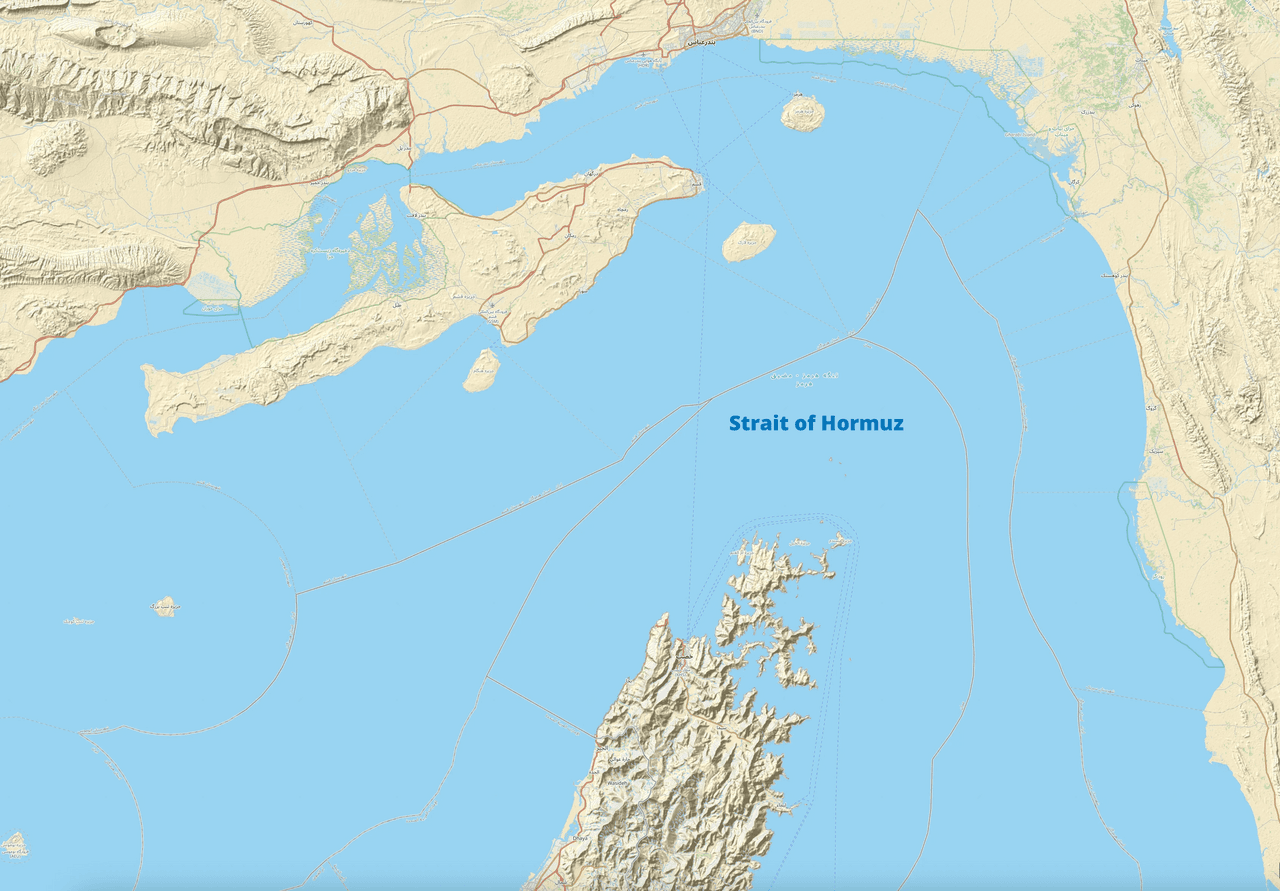
About 20 percent of the world's oil transits the Strait of Hormuz. That's been true for decades. Every defense planner from Riyadh to Norfolk has a Hormuz contingency file. The strait is 21 miles wide at its narrowest point. Iran has anti-ship missile batteries positioned along the northern coastline. They've been there since the 1980s. This is not new information.
What's new is the operational willingness to use those capabilities — or credibly threaten to. And that willingness tracks almost perfectly with the perceived credibility of American deterrence at any given moment. When Iran believes there are real consequences for escalation, they calculate differently. When they believe they can probe without serious response, they probe.
The sanctions relief negotiated in various frameworks since 2015 put roughly $150 billion back into Iranian hands. A portion of that funded the proxy network — Hezbollah, the Houthis, the Iraqi militias — that has been bleeding American partners and driving instability across the region for years. You don't have to take my word for it. The Treasury Department's own reporting documents the flows. The fuel surcharge on your summer flight to Rome is partly a downstream consequence of that policy calculus.
What Deterrence Actually Costs
People talk about military spending as if it's an extravagance. As if the aircraft carriers and the forward basing and the defense agreements are optional line items that a fiscally responsible Congress should look at trimming. Then something like this happens.
The cost of deterrence failure isn't abstract. It's not a white paper. It shows up in jet fuel prices, in shipping insurance rates, in the price of gasoline at the pump, in canceled flights, in supply chains that get disrupted because a chokepoint that everyone knew was a chokepoint got activated by a regime that read the room and decided the room was empty.
I've talked to pilots who won't fly certain routings right now — not because they've been told not to, but because the insurance math doesn't work for the carriers. That's deterrence failure translating into grounded aircraft and stranded passengers in real time.
A strong America doesn't prevent every conflict. But it changes the cost-benefit analysis for every bad actor who looks at a narrow strait and thinks about what's on the other side of it. The opposite of that — what we've been living through — has a bill attached to it. You're paying it now, at the ticket counter. The question is whether anyone in a position of responsibility is willing to say so plainly.
I'll say it: this was preventable. The deterrence was there. We walked away from it. And now the Strait of Hormuz is a chokepoint again, the fuel is expensive again, and your summer flight is either canceled or costs twice what it should. That's the price of weakness. It always comes due.