The Count
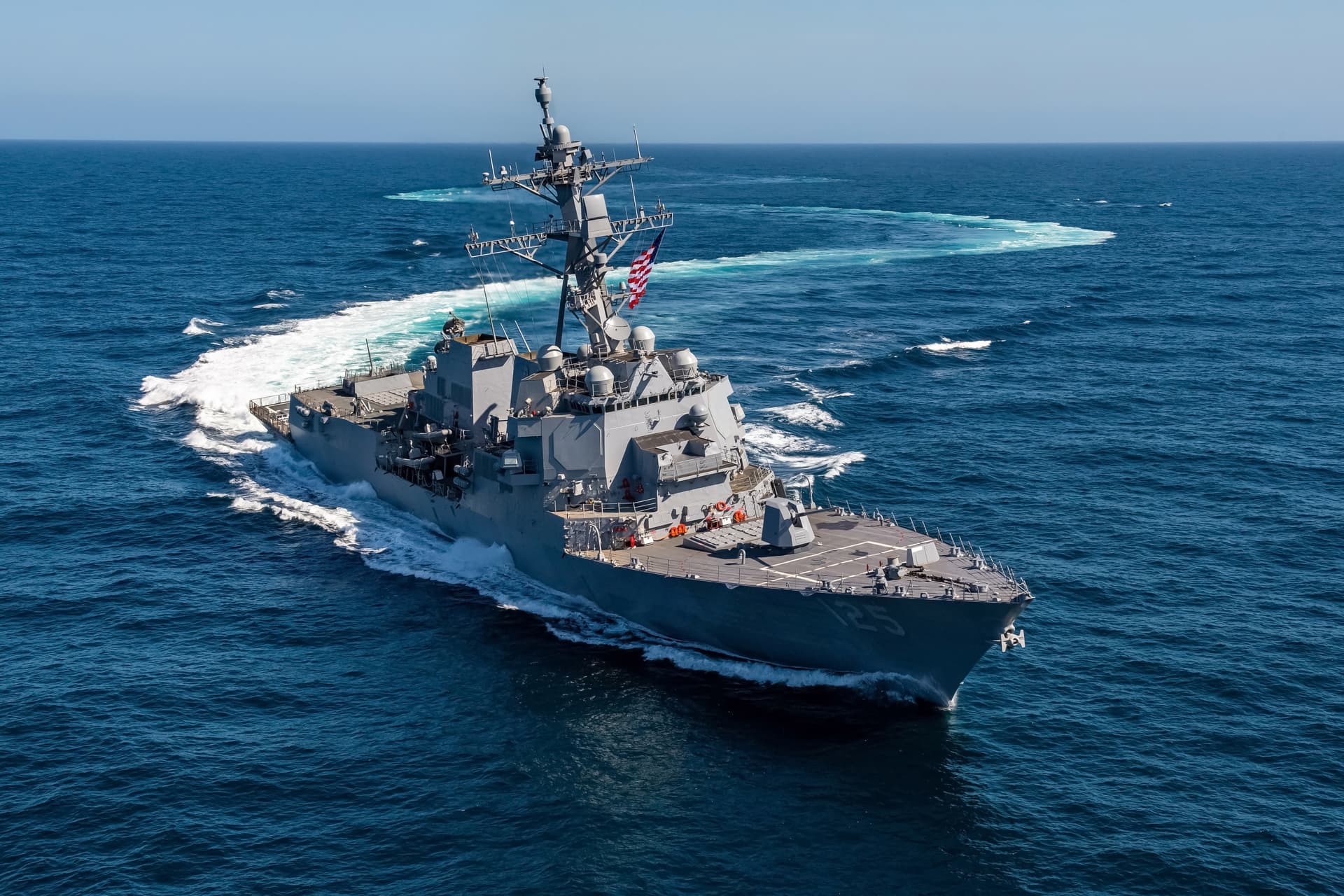
March 2026. Active fleet: 289 ships. Required fleet per the Navy's 2022 Navigation Plan: 381 ships. Annual shipbuilding rate: approximately 8-10 ships. Annual retirement rate: 8-12 ships.
The math is not complicated. At current rates, the fleet isn't growing. It's treading water — or shrinking.
What 289 Ships Means
The Navy maintains global commitments across six numbered fleets covering every ocean. Current deployment requirements include carrier strike groups in the Western Pacific, the Mediterranean, and the Arabian Gulf; submarine patrols in the Atlantic and Pacific; amphibious ready groups for crisis response; and ballistic missile defense ships in multiple theaters.
Meeting these commitments with 289 ships requires operational tempos that exceed maintenance schedules. Ships deploy longer, return to port for shorter maintenance periods, and deploy again before deferred maintenance is completed. The result is an accelerating degradation cycle where the operational fleet shrinks within the nominal fleet.
At any given time, roughly 35% of surface combatants are in some form of maintenance. Among submarines, the figure approaches 40%.
The Shipbuilding Crisis
America's shipbuilding industrial base has contracted to seven major shipyards — down from over thirty during the Cold War. Workforce shortages, supplier bottlenecks, and design delays have pushed delivery timelines beyond original estimates for every major program.
The Columbia-class ballistic missile submarine — the Navy's top acquisition priority — is already behind schedule and over budget. Each delay pushes the retirement of Ohio-class boats past their design life, creating a gap in the nuclear deterrent.
The Constellation-class frigate, intended to be a "simple" design built on a proven hull, has experienced 40% cost growth before the first ship is delivered.
You can't deter a rising naval power with PowerPoint slides about the fleet you plan to build in 2040. Deterrence is ships in the water today. And today, we don't have enough.
The Strategic Risk
China's navy surpassed the U.S. Navy in total hull count in 2020. It continues to build at a rate of approximately 15-20 combatants per year. The PLAN now operates three aircraft carriers, with a fourth under construction. Its submarine fleet is modernizing rapidly.
Numbers aren't everything — American ships are generally more capable ton-for-ton than their Chinese counterparts. But capability advantages erode when the opponent can concentrate forces and you cannot. Geography favors China in the Western Pacific; it can mass its fleet while the U.S. must distribute its smaller fleet across global commitments.
The gap between 289 and 381 isn't an accounting problem. It's a strategic vulnerability that adversaries can see, measure, and exploit.
Do the math. Then do something about it.