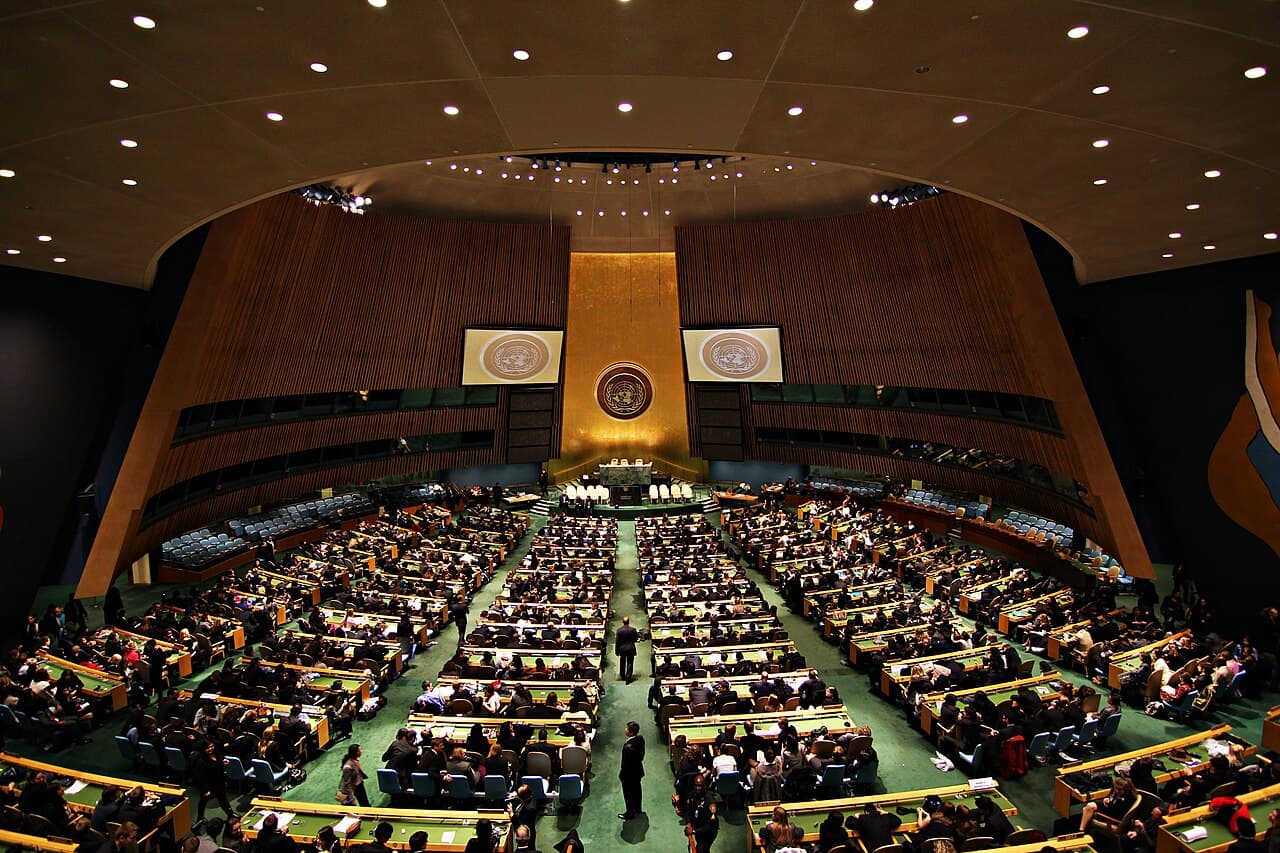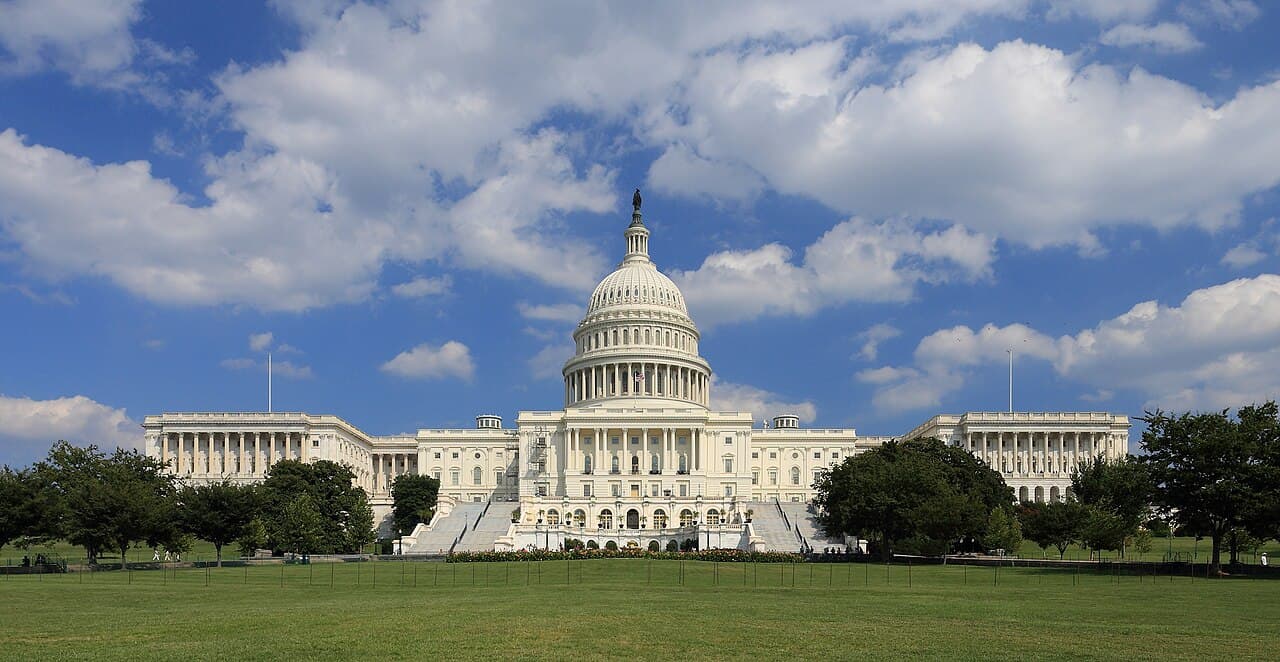
The constitutional question that America's founders debated in Philadelphia 239 years ago roared back to life on Capitol Hill this weekend: who decides when America goes to war?
Representatives Ro Khanna of California and Thomas Massie of Kentucky — a Democrat and a Republican, united by constitutional conviction — introduced a bipartisan war powers resolution demanding that the Trump administration seek congressional authorization before undertaking any further military action against Iran. The resolution, if brought to the floor, would serve as what Democratic leaders are calling a "referendum on Trump's decision to go it alone."
The Constitutional Stakes
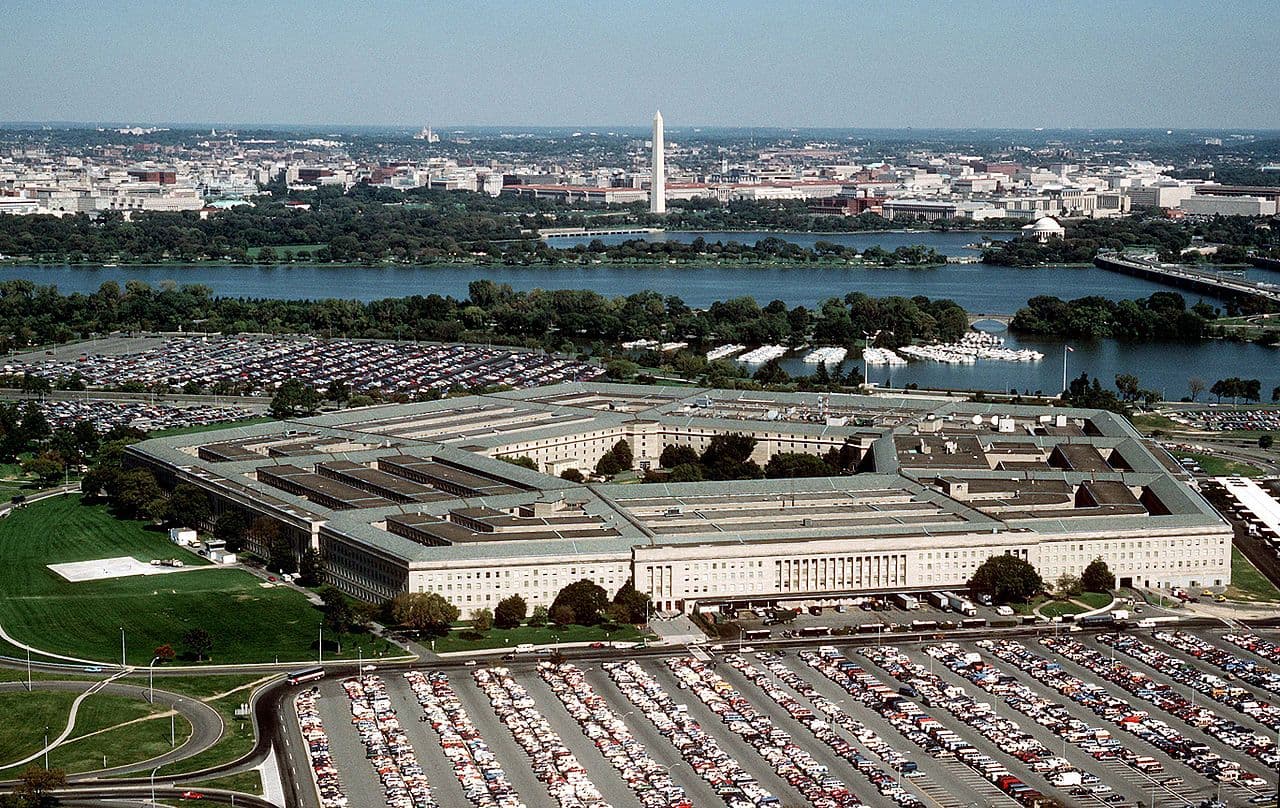
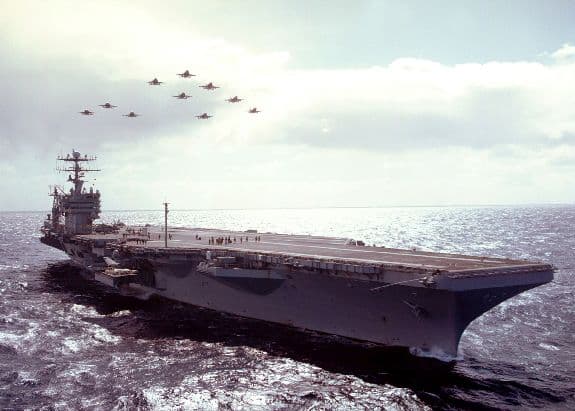
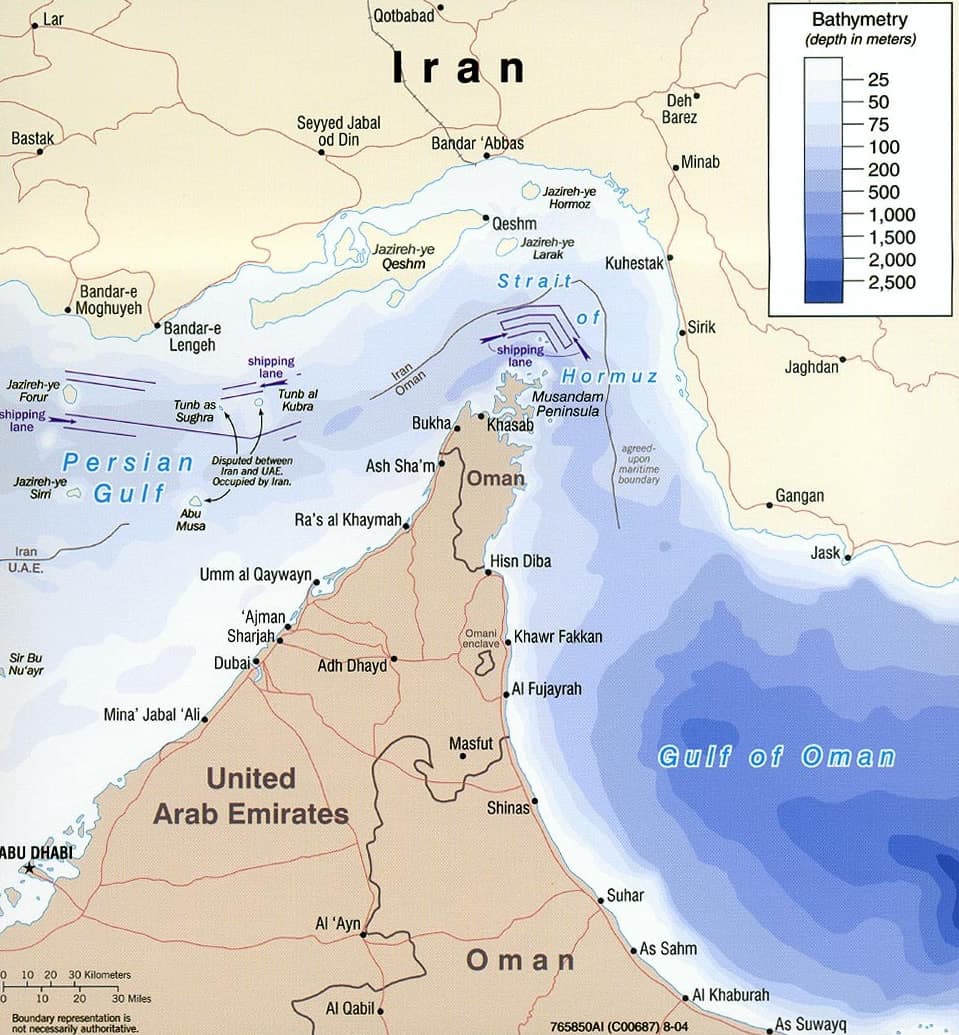
The strikes against Iran — the largest American military operation since the 2003 invasion of Iraq — were conducted without congressional authorization. Top lawmakers were notified shortly before the operation launched but were not asked for approval. The War Powers Resolution of 1973 requires the president to notify Congress within 48 hours of committing armed forces to military action and limits unauthorized deployments to 60 days.
Massachusetts congresspeople called the attack "illegal and unconstitutional." Senator Rand Paul of Kentucky expressed frustration over the lack of congressional input, joining Massie in representing the libertarian-leaning wing of the Republican Party that views executive war-making power with deep suspicion.
The Political Reality
But the anti-interventionist MAGA wing remains small. Senate Majority Leader John Thune applauded the strikes and commended service members' "bravery." House Speaker Mike Johnson endorsed the operation. Senator Lindsey Graham celebrated with characteristic zeal: "The end of the largest state sponsor of terrorism is upon us."
The political arithmetic is stark: even if the war powers resolution passed both chambers of the narrowly divided Congress — itself a long shot given Republican leadership's public support — Trump would almost certainly veto it. Congress lacks the two-thirds supermajority needed to override.
Democrats plan to force a vote next week, but the exercise may be more about creating a legislative record than altering policy. The deeper constitutional question — whether a president can launch a major offensive war without congressional declaration — will likely be settled not by legislation but by precedent. And as of this weekend, the precedent has been set.
History will judge whether Congress's failure to act as a check on executive war-making power represents pragmatic deference to presidential authority in an age of nuclear threats, or a constitutional abdication that the founders would have found unconscionable.