The Calendar Is the Campaign
Nobody votes in presidential primaries for another twenty months. But the primary is already being shaped — not by candidates, but by state party committees that are redrawing the calendar, adjusting delegate allocation rules, and quietly determining which types of candidates the process will favor.
Iowa moved its caucus date forward again. New Hampshire's position remains protected by state law and party agreement. But the real action is in the states that follow: South Carolina, Nevada, Michigan, and the Super Tuesday cluster that includes Texas, California, and a dozen smaller states.
The sequencing matters because momentum matters. Early state winners get media coverage, donor attention, and polling bumps that compound through subsequent contests. The order of states determines which candidates can build momentum and which get eliminated before their natural constituencies vote.
The Rules Changes
Several state parties have shifted from proportional to winner-take-all delegate allocation — or imposed higher thresholds for earning delegates. Texas, which previously awarded delegates proportionally to any candidate exceeding 20%, is considering a winner-take-all format with a 50% trigger. This consolidates delegates behind frontrunners and makes it harder for insurgent candidates to accumulate enough delegates to contest a convention.
The RNC's loyalty pledge requirement — requiring candidates to support the eventual nominee — has been strengthened with financial penalties. Candidates who refuse face exclusion from party-sponsored debates and denial of access to voter data files.
What This Means
The structural changes favor candidates with existing party infrastructure, donor networks, and name recognition. They disfavor outsider candidates who rely on early-state momentum to build national campaigns. In 2016, Trump benefited from a fragmented field and proportional allocation that allowed him to win pluralities and accumulate delegates. Under the new rules, that path is significantly harder.
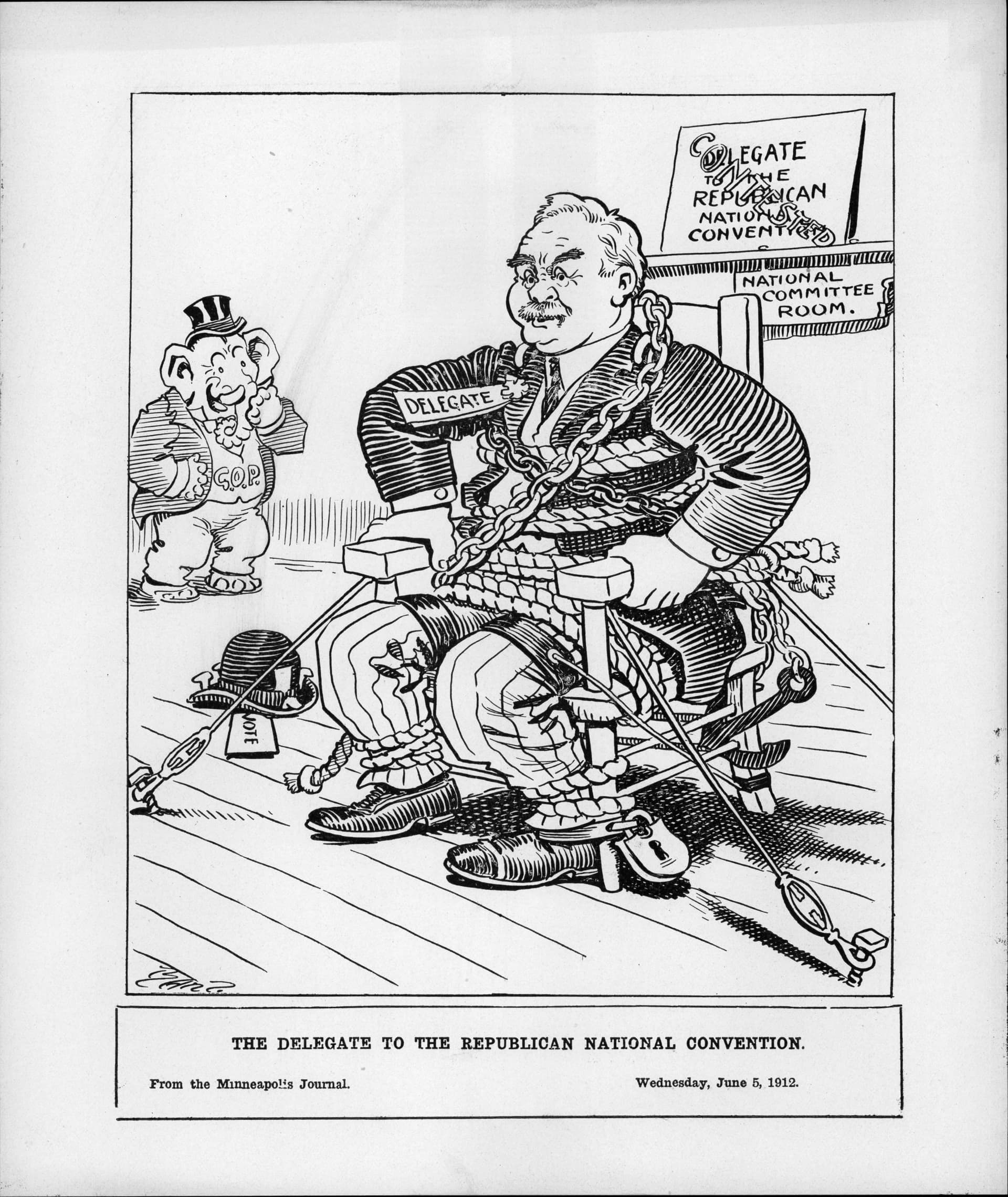
This isn't conspiracy. It's institutional design. Party organizations exist to advance party interests, and party leaders have learned from 2016 that uncontrolled primary processes can produce nominees that the institutional party doesn't want.
The primary system isn't neutral. It's designed. And the people designing it have preferences about the outcome. Understanding the rules is the first step to understanding the race — and the rules are being written right now.
Watch This Space
The RNC's Rules Committee meets in April. State party conventions continue through the summer. By the time candidates formally announce, the battlefield will already be shaped. The calendar is the campaign. And the campaign has already started.